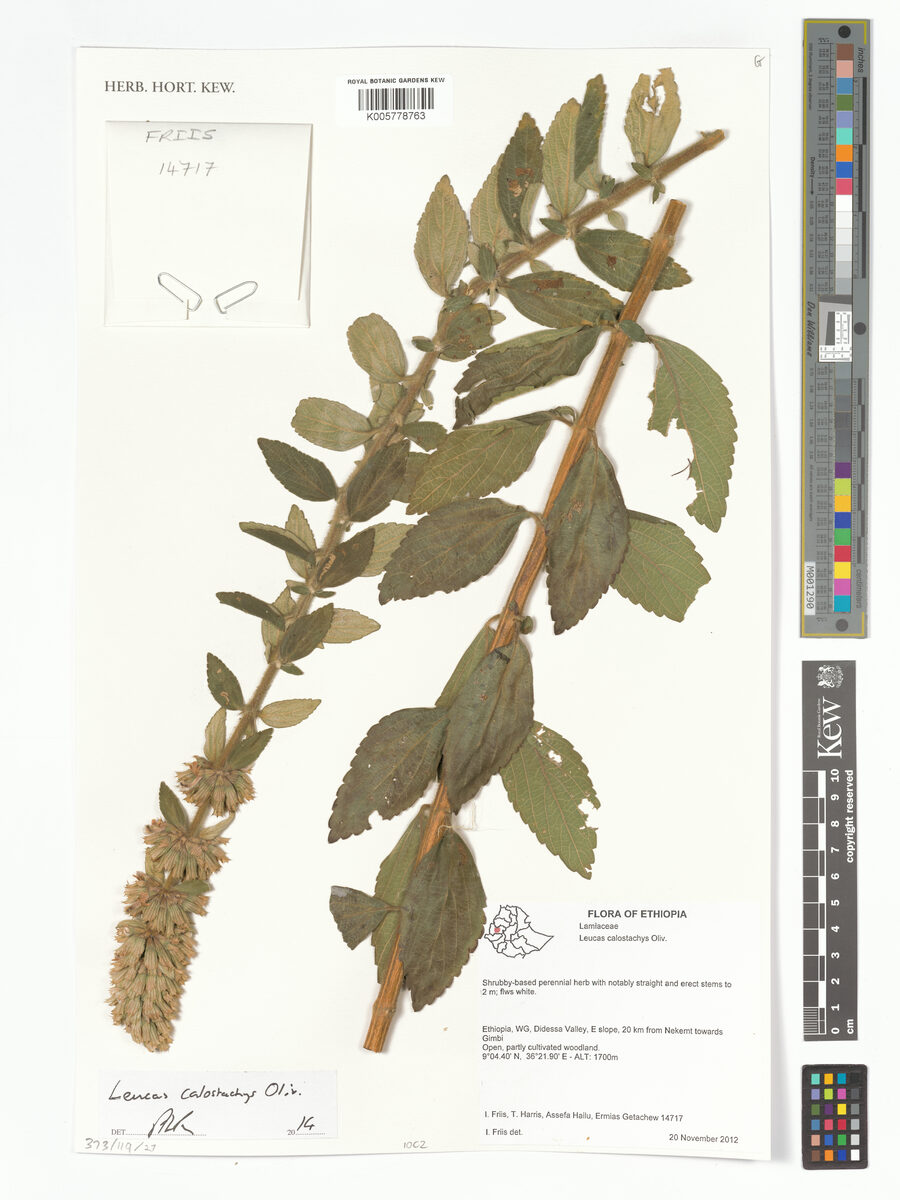
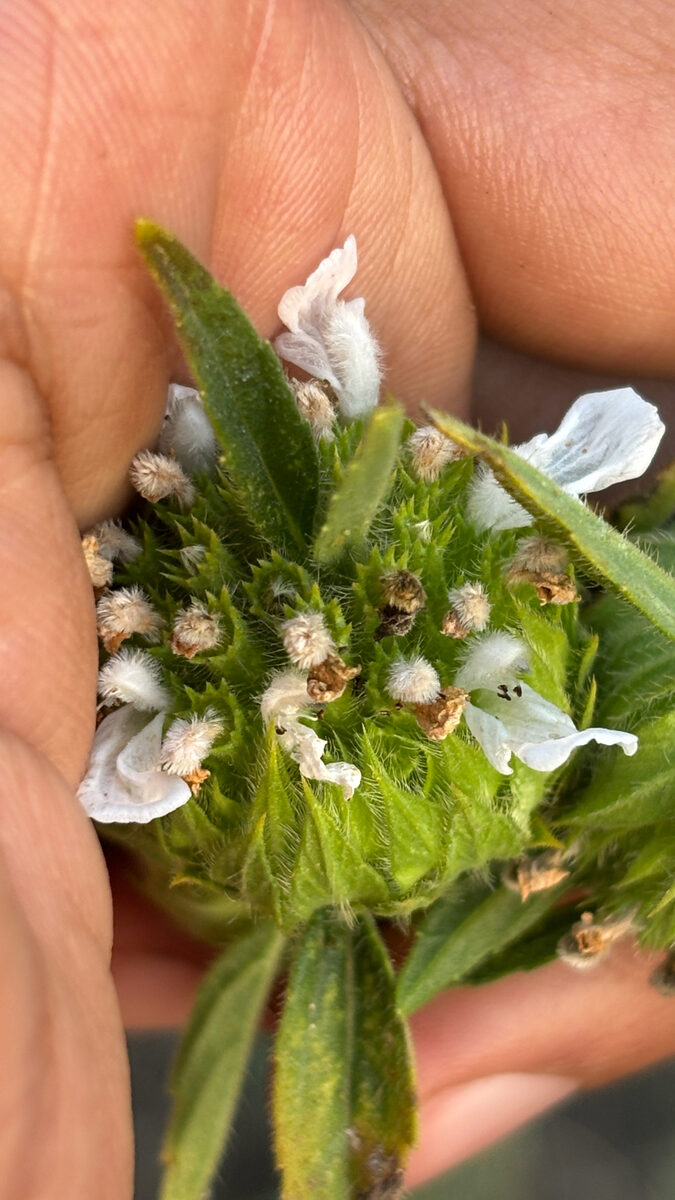
Origanum syriacum
L.
Bible Hyssop
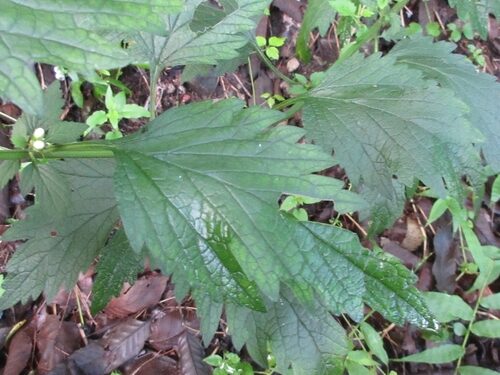
iNaturalist· cc-by-nc
(c) Uriah Resheff, some rights reserved (CC BY-NC), uploaded by Uriah Resheff
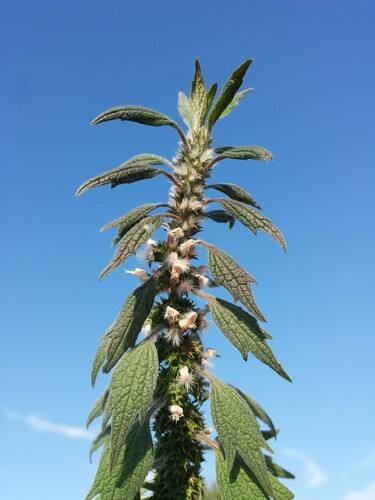
iNaturalist· cc-by-nc
(c) Imad Hussein, some rights reserved (CC BY-NC), uploaded by Imad Hussein
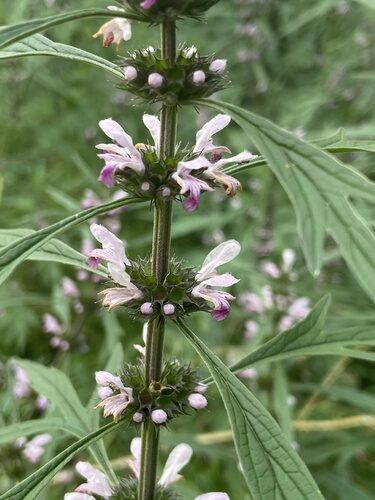
iNaturalist· cc-by
(c) Gidip, some rights reserved (CC BY)
Description
Origanum syriacum is a PERENNIAL growing to 1 m (3ft 3in). See above for USDA hardiness. It is hardy to UK zone 8. It is in flower from May to July. The species is hermaphrodite (has both male and female organs) and is pollinated by Bees. Suitable for: light (sandy), medium (loamy) and heavy (clay) soils and prefers well-drained soil. Suitable pH: mildly acid, neutral and basic (mildly alkaline) soils and can grow in very alkaline soils. It can grow in semi-shade (light woodland) or no shade. It prefers dry or moist soil.
Edible Uses
Condiment. The leaves and flowering tops are used as a seasoning, having a flavour reminiscent of a blend of thyme, marjoram and oregano. The dried herb is sometimes mixed with sumac (from Rhus species) to form the spice blend known as 'zatar', this is used along with olive oil as a topping for breads. The Bedouin grind the dried leaves, add salt and eat the dry mixture on bread. The leaves and flowering stems of this species are often dried and supplied commercially as 'oregano', a name that should more accurately be restricted to O. vulgare.
Distribution
S. Europe - E. Mediterranean to W. Asia.
Where It Grows
TEMPERATE ASIA: Cyprus, Egypt (Sinai), Israel, Jordan, Lebanon, Syria, Turkey (south)
Cultivation
Requires a rather dry, warm, well-drained soil, but is not fussy as to soil type, thriving on chalk. Prefers slightly alkaline conditions. This species is not hardy in the colder areas of Britain, it tolerates temperatures down to between -5 and -10°c. Members of this genus are rarely if ever troubled by browsing deer.
Propagation
Seed - sow in a greenhouse in early spring at 10 - 13°c and only just cover the seed. Germination usually takes place within 2 weeks. Prick out the seedlings into individual pots when they are large enough to handle and plant them out into their permanent positions in early summer. Division in March or October. Very easy, larger divisions can be planted out direct into their permanent positions. We have found that it is better to pot up the smaller divisions and grow them on in light shade in a cold frame until they are well established before planting them out in late spring or early summer. Basal cuttings of young barren shoots in June. Very easy. Harvest the shoots with plenty of underground stem when they are about 8 - 10cm above the ground. Pot them up into individual pots and keep them in light shade in a cold frame or greenhouse until they are rooting well. Plant them out in the summer.
Also Known As
Zaatar, Wild marjoram