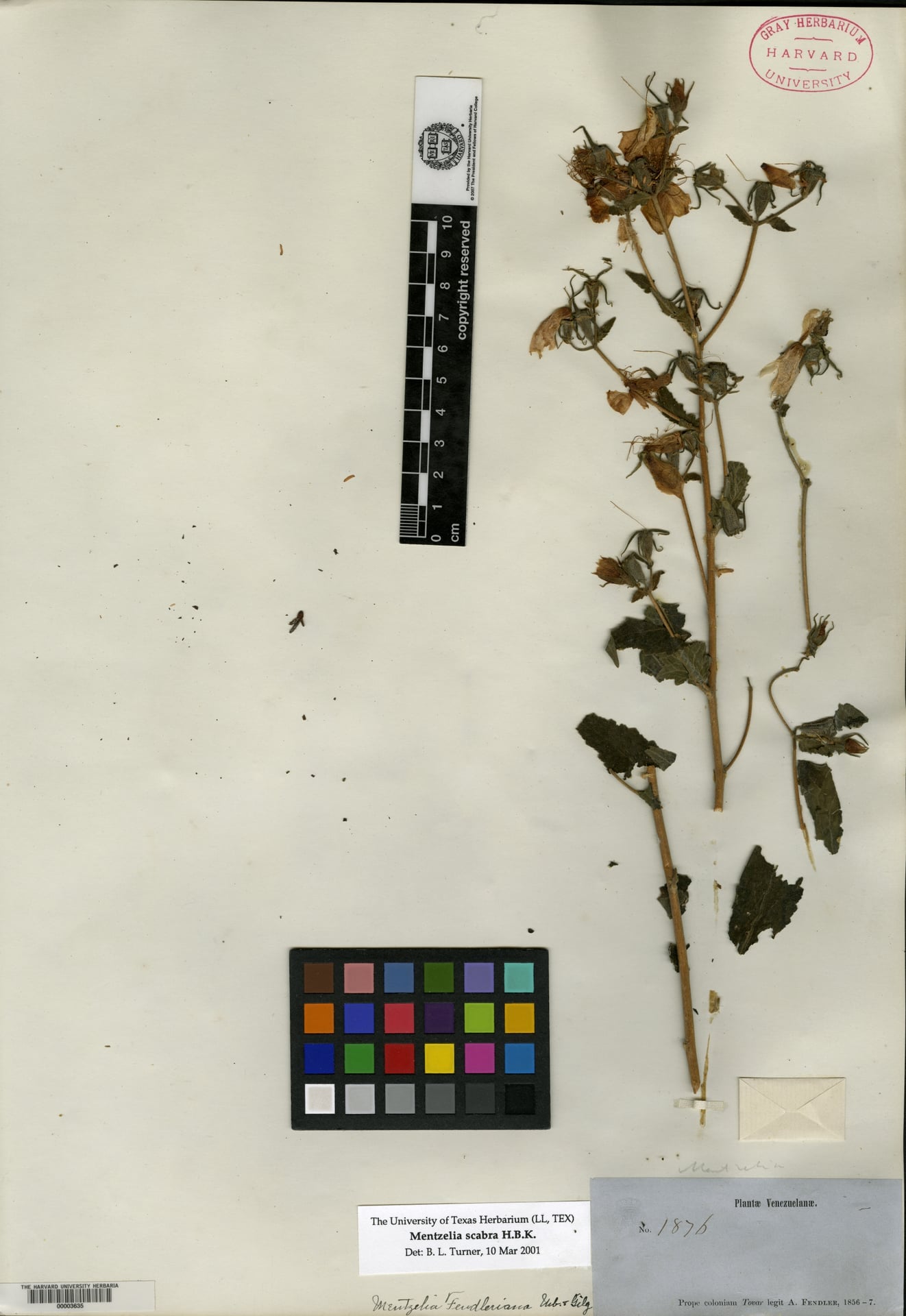
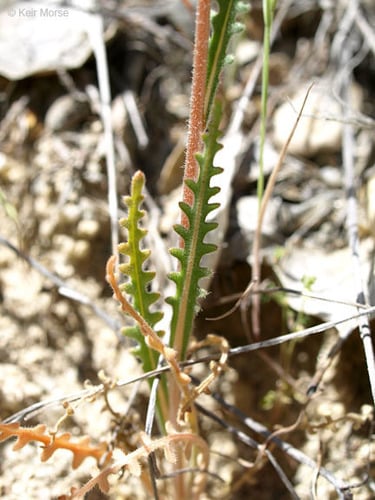
Mentzelia albicaulis
Douglas.
Whitestem Blazing Star
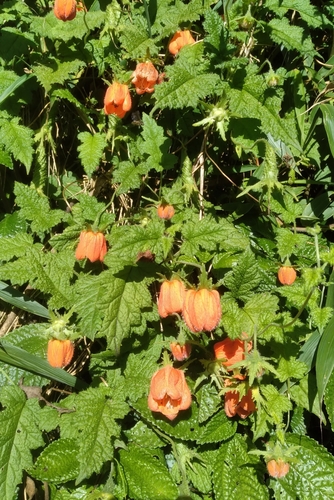
iNaturalist· cc-by-nc
(c) Fred Melgert / Carla Hoegen, some rights reserved (CC BY-NC), uploaded by Fred Melgert / Carla Hoegen
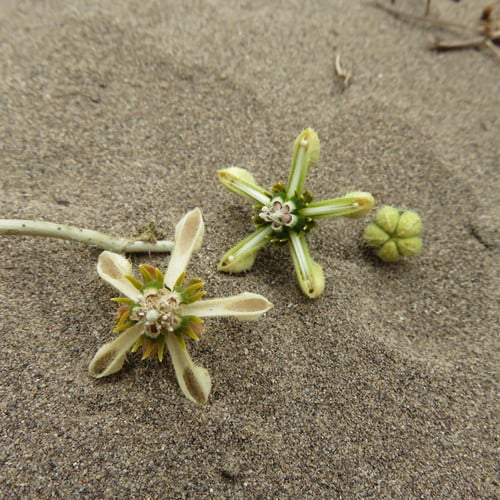
iNaturalist· cc-by-nc
(c) avocat, some rights reserved (CC BY-NC), uploaded by avocat
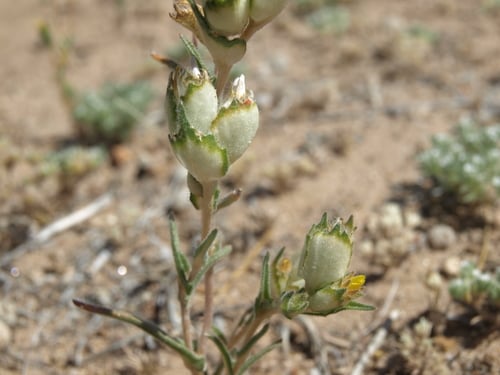
iNaturalist· cc-by-nc
(c) Fred Melgert / Carla Hoegen, some rights reserved (CC BY-NC), uploaded by Fred Melgert / Carla Hoegen
Description
Mentzelia albicaulis is a ANNUAL growing to 0.3 m (1ft). The species is hermaphrodite (has both male and female organs). Suitable for: light (sandy), medium (loamy) and heavy (clay) soils and prefers well-drained soil. Suitable pH: mildly acid, neutral and basic (mildly alkaline) soils. It cannot grow in the shade. It prefers dry or moist soil.
Edible Uses
Seed - raw or cooked. The oily seed is parched and ground into a meal then mixed with water to make a mush[2, 46, 61, 105, 161, 212, 257]. The seed meal can be kneaded into a seed butter and used as a spread on bread. The minute seeds are much used for food by several native North American Indian tribes.
Medicinal Uses
Odontalgic Poultice SalveA poultice of the crushed, soaked seeds has been applied to burns and also to relieve the pain of toothache.
Distribution
Western N. America - British Columbia to California.
Where It Grows
NORTHERN AMERICA: Canada (British Columbia (south)), United States (South Dakota (west), Colorado, Idaho, Montana, Oregon, Washington, Wyoming, New Mexico, Texas (west), Arizona, California, Nevada, Utah), Mexico (Baja California (Norte))
Cultivation
We have very little information on this species and are not sure that it will succeed outdoors in Britain, though it should be possible to grow it as a half-hardy annual. The following notes are based on the general needs of the genus. Succeeds in ordinary garden soil. Prefers a moderately fertile well-drained soil in a warm sunny sheltered position.
Propagation
Seed - sow spring in situ. Germination should take place within a couple of weeks.