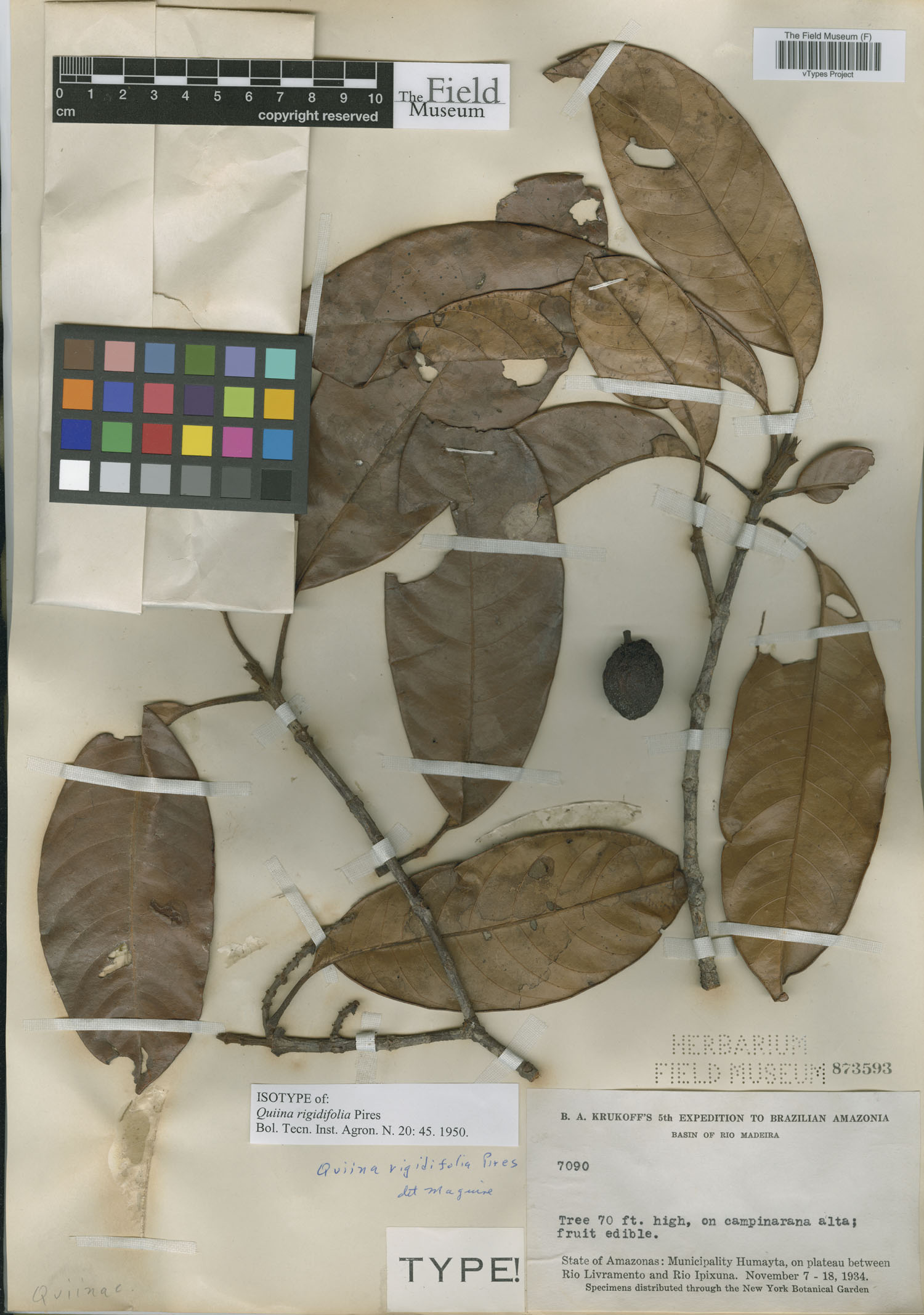
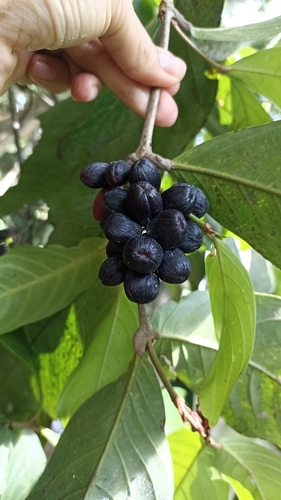
Lophira alata
Banks ex C.F.Gaertn.
Niam Tree
iNaturalist· cc-by-nc
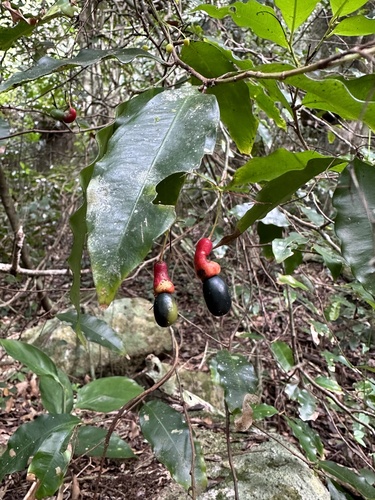
(c) Jeremy Barker, some rights reserved (CC BY-NC), uploaded by Jeremy Barker
wikimedia· cc0
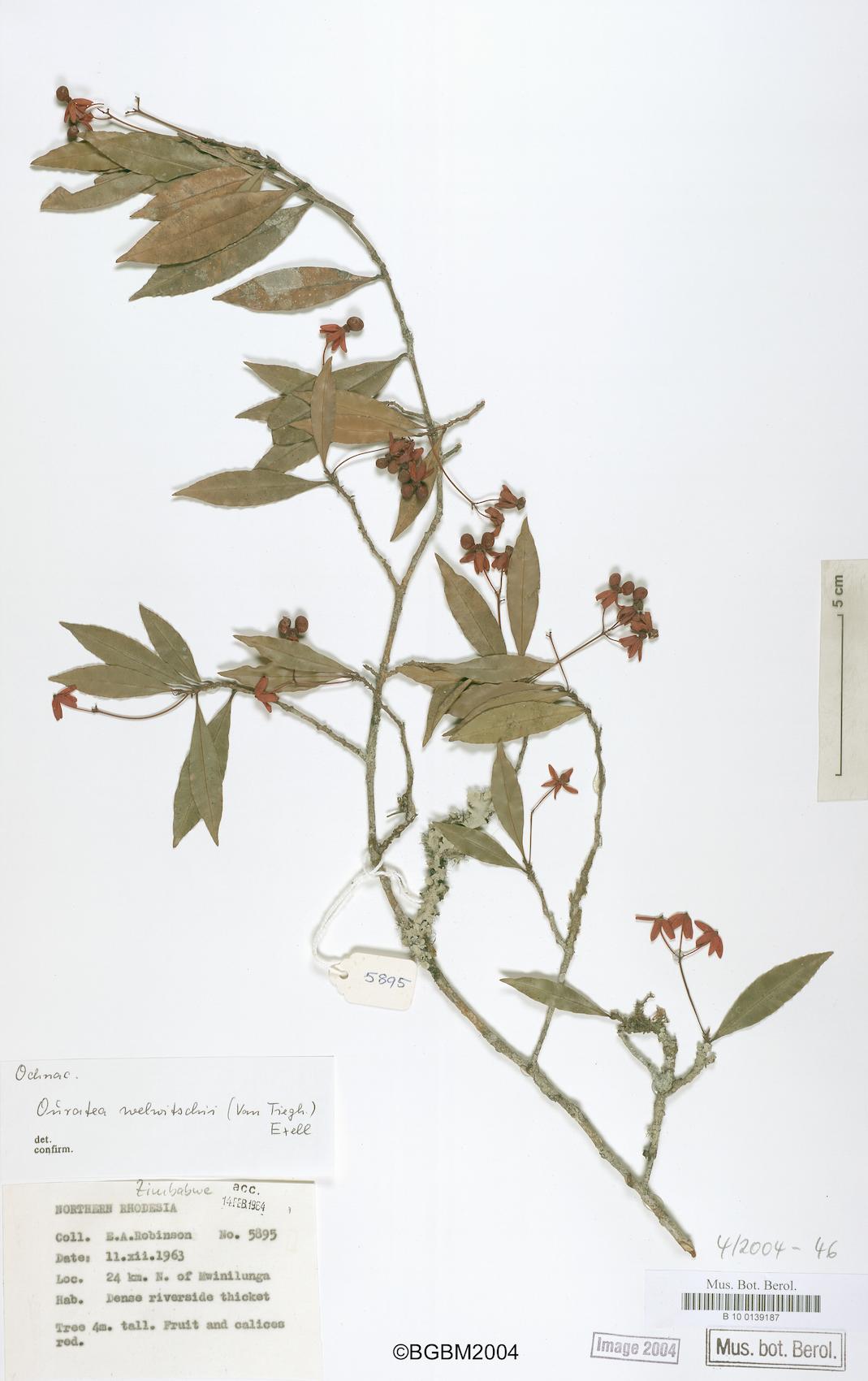
Julo (via Wikimedia Commons)
wikimedia· cc0
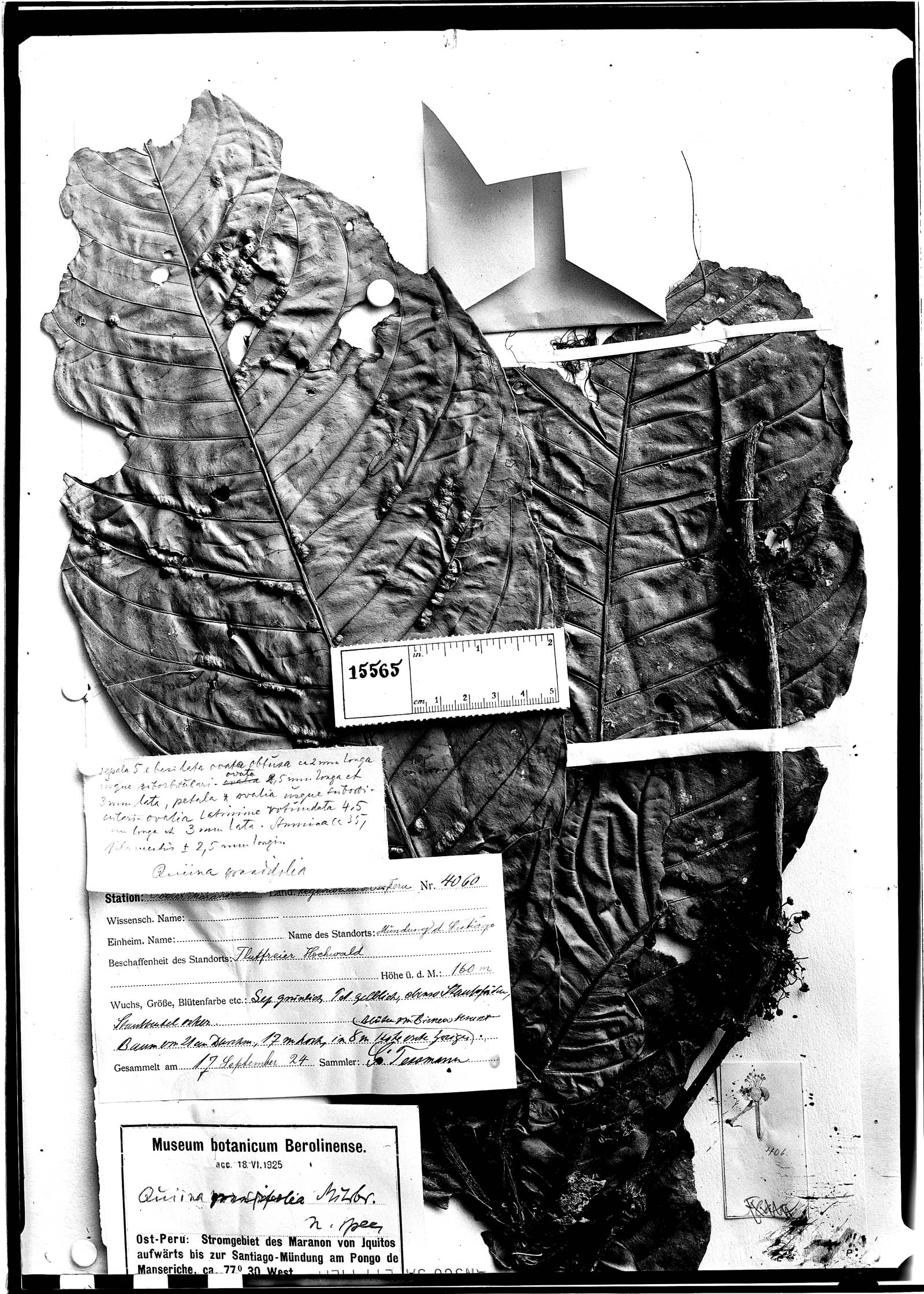
Ajit Ampalakkad (via Wikimedia Commons)
Description
Lophira alata is an evergreen Tree growing to 40 m (131ft) by 30 m (98ft) at a slow rate. See above for USDA hardiness. It is hardy to UK zone 10. Suitable for: light (sandy), medium (loamy) and heavy (clay) soils, prefers well-drained soil and can grow in nutritionally poor soil. Suitable pH: mildly acid and neutral soils and can grow in very acid soils. It cannot grow in the shade. It prefers moist soil.
Edible Uses
Oil. The fruits can be used to make an edible oil.
Distribution
Australia - New South Wales, Queensland.
Where It Grows
AFRICA: Cameroon, Democratic Republic of the Congo, Gabon, Equatorial Guinea, Côte D‘Ivoire, Ghana, Liberia, Nigeria, Sierra Leone
Cultivation
Grows best in a sunny position.Plants are sensitive to drought. It is estimated that is takes 220 years for a tree to reach a girth of 2.7 metres in Nigeria. Light gaps in the forest are necessary for successful regeneration, as seed germination does not occur in shady understorey.
Propagation
Seed - best sown as soon as it is ripe since the seed has a short viability. Even sown fresh, germination rates are usually less than 50%, dropping to 5% after 3 months. Germination takes 3 - 5 weeks. To improve growth in the nursery, it is recommended to add soil from under an established tree to the substrate to ensure development of mycorrhizal fungi. Air layering is possible. A rooting percentage of marcots of more than 60% has been obtained with cow dung as substrate and IBA (0.8%) as growth hormone. Stem cuttings are also possible.
Other Uses
Essential Hair Oil Soap Wood. Agroforestry Uses: The plant is a pioneer species and is representative of a disturbed forest. Other Uses An oil obtained from the seed is used as a hair oil and is also suitable for making soap. The heartwood is dark red, chocolate brown, or purple brown with conspicuous white deposits in the vessels; it is clearly demarcated from the 2 - 5cm wide band of pale pink sapwood; there is an intermediate zone between the heartwood and sapwood. The texture is coarse; the grain usually interlocked; lustre low; there is no characteristic odour or taste. The wood is very dense; very hard; very heavy; elastic; very durable, being resistant to fungi, dry wood borers, termites and toredo. It seasons slowly, with a high risk of checking and distortion; once dry it is poorly stable in service. It is very difficult to work with hand and machine tools; there is a severe blunting effect if machined when dry so stellite-tipped and tungsten carbide tools are recommended; it can be dressed to a smooth finish, though there can be difficulties due to the interlocked grain; nailing and screwing are good, but require pre-boring; the gluing properties are usually good for interior purposes, but care must be taken because of the dense wood. It is resistant to acids and has good weathering properties. It is used for heavy, durable construction work, harbour work such as jetties, heavy-duty flooring, parquet flooring, railroad crossties. Because the wood is rich in silica, and is resistant to marine borers, it isd favoured for use in jetties.
Synonyms
Also Known As
Niam Tree, Akoga, Akufo, Azobe, Bongossi, Bonkole, Ega, Ekki, False Shea, Hos, Kaku, Kofyo, Lekwa, Ngokele, Okoa, Okoka