Lilium distichum
Nakai.
iNaturalist· cc-by-nc
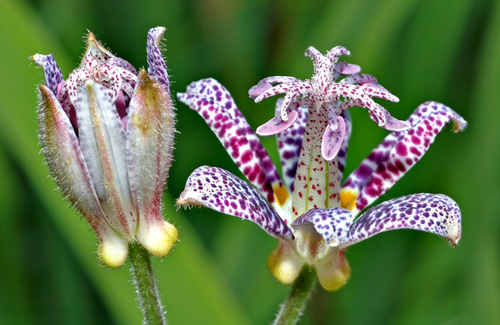
(c) V.S. Volkotrub, some rights reserved (CC BY-NC), uploaded by V.S. Volkotrub
iNaturalist· cc-by-nc-sa
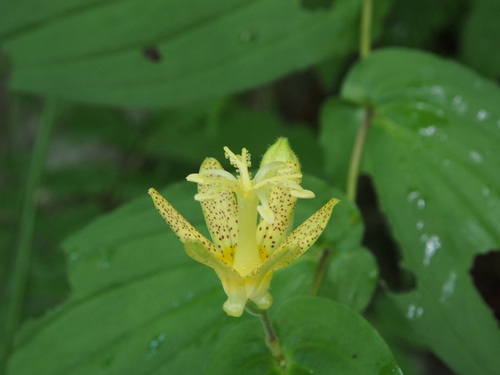
(c) marcoschmidt.frankfurt, some rights reserved (CC BY-NC-SA), uploaded by marcoschmidt.frankfurt
iNaturalist· cc-by-nc
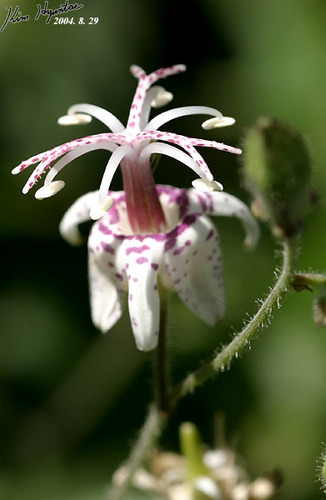
(c) Шильников Дмитрий Сергеевич, some rights reserved (CC BY-NC), uploaded by Шильников Дмитрий Сергеевич
Description
Lilium distichum is a BULB growing to 1 m (3ft 3in) by 0.3 m (1ft). See above for USDA hardiness. It is hardy to UK zone 5. It is in flower in July, and the seeds ripen from August to September. The species is hermaphrodite (has both male and female organs) and is pollinated by Bees. Suitable for: light (sandy) and medium (loamy) soils, prefers well-drained soil and can grow in nutritionally poor soil. Suitable pH: mildly acid and neutral soils. It can grow in semi-shade (light woodland) or no shade. It prefers moist soil.
Edible Uses
Bulb - cooked. The bulb can be up to 4cm in diameter. Rich in starch, it can be used as a vegetable in similar ways to potatoes (Solanum tuberosum). Young leaves and buds. No more details are given.
Distribution
E. Asia - Korea, Manchuria.
Where It Grows
TEMPERATE ASIA: Russian Federation (Primorye), China (Heilongjiang Sheng (n.e), Jilin Sheng, Liaoning Sheng), Korea, South, Korea, North
Cultivation
Prefers an open free-draining humus-rich loamy soil with its roots in the shade and its head in the sun. Grows well in open woodland, preferring a shady position. Stem rooting, plant bulbs 10 - 12cm deep. Early to mid autumn is the best time to plant out the bulbs in cool temperate areas, in warmer areas they can be planted out as late as late autumn. Closely allied to L. tsingtauense. The plant should be protected against rabbits and slugs in early spring. If the shoot tip is eaten out the bulb will not grow in that year and will lose vigour.
Propagation
Seed - delayed hypogeal germination. Best sown as soon as ripe in a cold frame, it should germinate in spring. Stored seed will require a warm/cold/warm cycle of stratification, each period being about 2 months long. Grow on in cool shady conditions. Great care should be taken in pricking out the young seedlings, many people leave them in the seed pot until they die down at the end of their second years growth. This necessitates sowing the seed thinly and using a reasonably fertile sowing medium. The plants will also require regular feeding when in growth. Divide the young bulbs when they are dormant, putting 2 - 3 in each pot, and grow them on for at least another year before planting them out into their permanent positions when the plants are dormant. Division with care in the autumn once the leaves have died down. Replant immediately Bulb scales can be removed from the bulbs in early autumn. If they are kept in a warm dark place in a bag of moist peat, they will produce bulblets. These bulblets can be potted up and grown on in the greenhouse until they are large enough to plant out.