Halesia tetraptera
L.
Silverbell or Mountain Silverbell
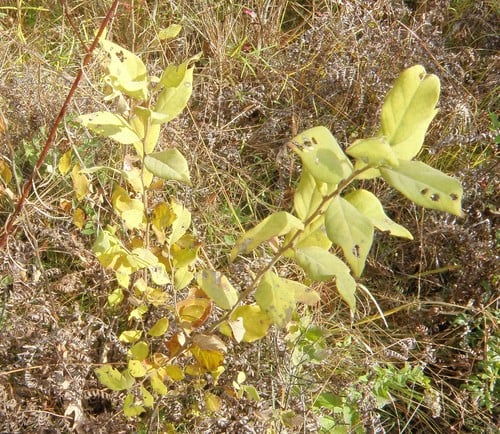
iNaturalist· cc-by-nc
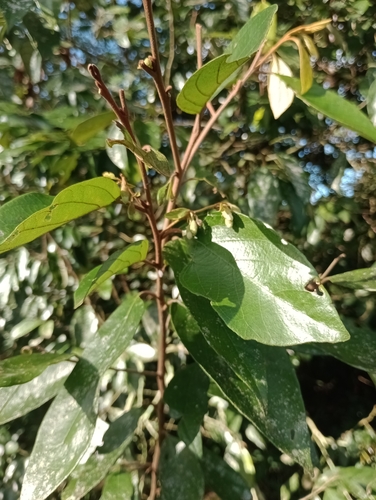
(c) dogbowlbookpile, some rights reserved (CC BY-NC), uploaded by dogbowlbookpile
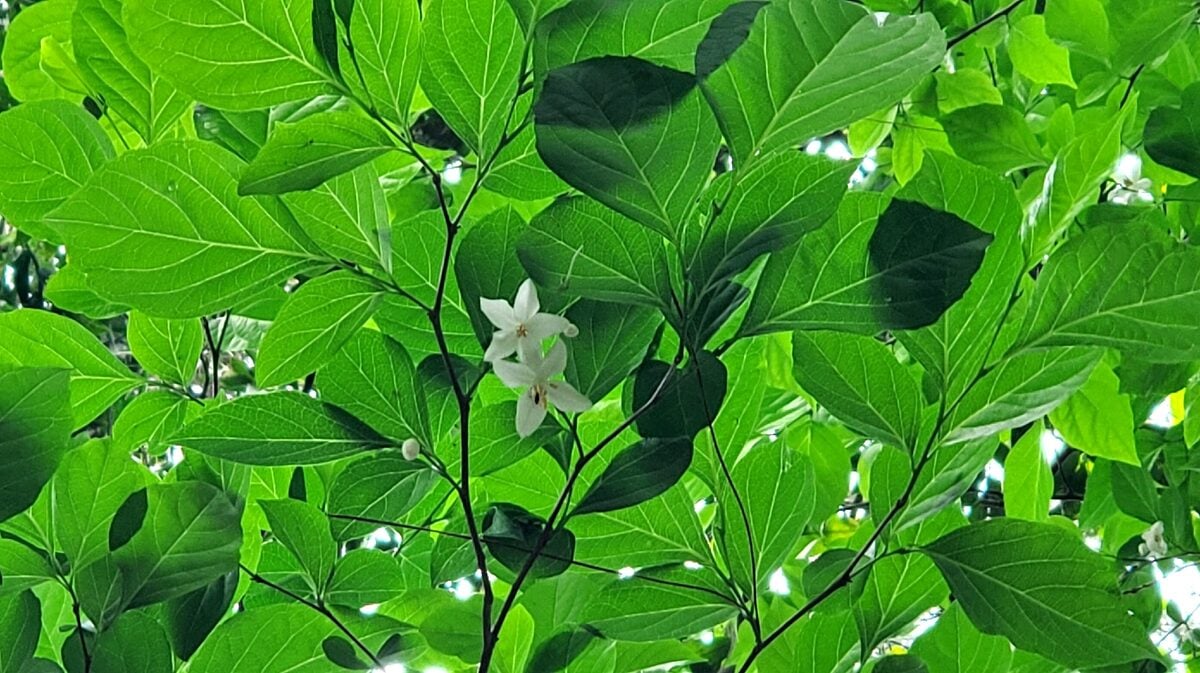
iNaturalist· cc-by-sa
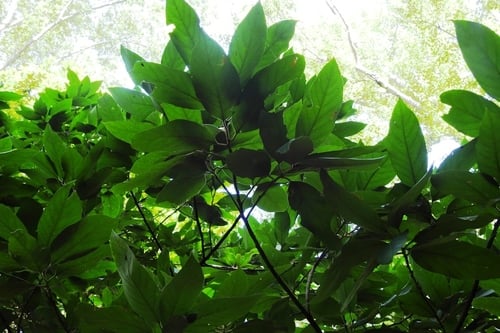
(c) Douglas Goldman, some rights reserved (CC BY-SA), uploaded by Douglas Goldman
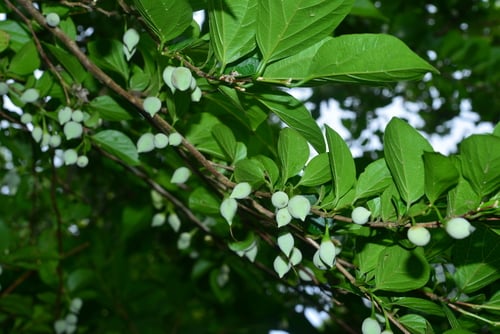
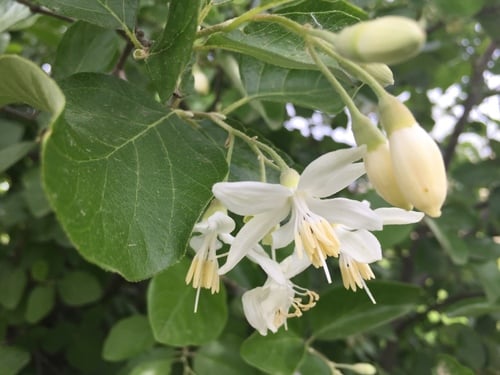
iNaturalist· cc-by-nc
(c) Clark, some rights reserved (CC BY-NC), uploaded by Clark
Description
Halesia tetraptera is a deciduous Tree growing to 10 m (32ft) by 10 m (32ft) at a medium rate. See above for USDA hardiness. It is hardy to UK zone 5. Suitable for: light (sandy), medium (loamy) and heavy (clay) soils and prefers well-drained soil. Suitable pH: mildly acid and neutral soils. It can grow in full shade (deep woodland) semi-shade (light woodland) or no shade. It prefers moist soil.
Edible Uses
The ripe fruit is chewed for its acidity and very tart. Unripe fruits are sometimes pickled.The fruit is about 4cm in diameter.
Distribution
Native to the southeastern United States.
Where It Grows
NORTHERN AMERICA: United States, Indiana, Ohio (south), West Virginia (south), Illinois (south), Oklahoma, Alabama, Arkansas, Florida (north), Georgia, Kentucky, Louisiana, Mississippi, North Carolina, South Carolina, Tennessee, Virginia (southwest),
Cultivation
A small understory tree with a broad, rounded crown or a large shrub. It grows well with azaleas and rhododendrons and requires the same environmental conditions of moist, acidic, organically rich soil in part shade. Well-drained. Requires a lime-free soil. Dormant plants are hardy to about -25°c. A very ornamental plant, it has a moderate rate of growth and lives about 100 years. It can flower when only 1.2 metres tall. The flowers have a delicate sweet perfume. The sub-species H. tetraptera monticola forms a tree about 24 metres tall. Plants in this genus are notably resistant to honey fungus. Halesia tetraptera has a dense crown providing 0 to 33% open space in their silhouette and cast deep shade.
Propagation
Seed - best sown as soon as it is ripe in a cold frame. It takes 18 months to germinate. Warm stratifying the seed for 2 - 3 months at 14 - 25°c then cold stratifying for 2 - 3 months at 0 - 5°c can reduce the germination time. When they are large enough to handle, prick the seedlings out into individual pots and grow them on in the greenhouse for at least their first winter. Plant them out into their permanent positions in late spring or early summer, after the last expected frosts. Cuttings of greenwood, 5 - 8cm with a heel, May/June in a frame. Roots in 28 days. A fair percentage. Layering in early spring as the buds break. Takes 12 months. High percentage.
Other Uses
Wood - soft, light, close-grained. It weighs 35lb per cubic foot. Good for carving, turnery, crafts, woodenware, pulp. Trees occasionally grow large enough for saw timber and are then cut and used for panelling and cabinet making. Coppices readily.
Synonyms
Also Known As
Common silverbell, mountain silverbell, Carolina silverbell