Styrax japonicus
Siebold & Zuccarini
Japanese storax, Japanese Snowbell, Japanese snowdrop, Snowbell tree
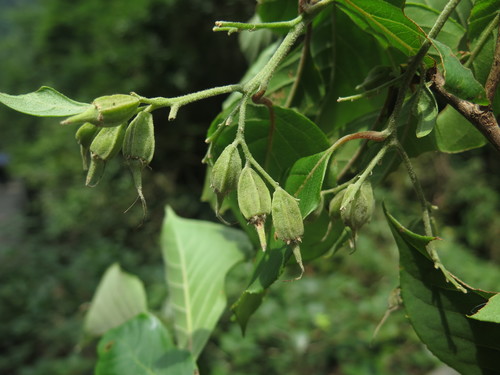
iNaturalist· cc-by-nc
(c) JODY HSIEH, some rights reserved (CC BY-NC)
iNaturalist· cc-by-nc
(c) JODY HSIEH, some rights reserved (CC BY-NC)
iNaturalist· cc-by-nc
(c) JODY HSIEH, some rights reserved (CC BY-NC)
Summary
Source: WikipediaStyrax japonicus (野茉莉; also エゴノキ, egonoki), also known as the Japanese snowbell, is a species of flowering plant in the family Styracaceae, native to Korea, Japan, and Southern China. Growing to 12 m (39 ft) tall by 8 m (26 ft) broad, it is a graceful, spreading deciduous tree with oval, upward-facing leaves which occasionally turn yellow or orange before falling in autumn. Masses of slightly fragrant, bell-shaped white flowers hang from the branches in summer, followed by fruits (drupes) which resemble olives in both shape and colour. It is hardy down to −15 °C (5 °F), but prefers a sheltered position in full sun or dappled shade, with acidic or neutral soil. Due to its plentiful flowers, the tree has been widely cultivated in Western gardens. Properties such as analgesic, hypoglycaemic, and antibacterial effects have been observed in extracts and isolates from the flowers, stem-bark, and leaves, respectively.
Description
A loose open shrub or small tree. It grows 9 m tall and spreads 2.7 m wide. The mature bark is dull grey often with orange cracks. It loses its leaves during winter. The leaves are alternate. The leaves are pear shaped and taper at both ends. They are 10 cm long by 5 cm wide. There are a few small teeth along the edge. They are dark green but silvery white underneath. The leaves turn red or yellow in autumn. The flowers are long and bell-shaped. They are 1.5 cm long. They droop in clusters under the fan like branches. The flowers are white. The fruit is round or egg shaped and grey and like a berry. It is 1.5 cm long and has one seed.
Edible Uses
The fruit and fruit oil are edible.
Medicinal Uses
Chinese traditional medicinal use of S.japonicus has pharmacological evidence, such as the analgesic effects used to treat toothaches and sore throats and antitussive purposes to treat coughs.
Distribution
It is a temperate plant. It is native to China, Japan and Korea. It is frost hardy. It does best in sunny locations and in rich moist soil. It suits hardiness zones 5-9. Melbourne Botanical gardens. In Sichuan and Yunnan. Arboretum Tasmania. National Arboretum Canberra.
Where It Grows
Asia, Australia, Britain, Canada, China, Europe, Indochina, Japan, Korea, Laos, North America, SE Asia, Tasmania,
Notes
There are about 100 Styrax species.
Also Known As
Ttaejuknamu
References (10)
- Coombes, A.J., 2000, Trees. Dorling Kindersley Handbooks. p 299
- Cundall, P., (ed.), 2004, Gardening Australia: flora: the gardener's bible. ABC Books. p 1381 (As Styrax japonicus)
- Fl. jap. 1:53, t. 23. 1839
- Harris, E & J., 1983, Field Guide to the Trees and Shrubs of Britain. Reader's Digest. p 112
- Hibbert, M., 2002, The Aussie Plant Finder 2002, Florilegium. p 295
Show all 10 references Hide references
- Joyce, D., 1998, The Garden Plant Selector. Ryland, Peters and Small. p 120
- Kim, H. & Song, M., 2013, Ethnobotanical analysis for traditional knowledge of wild edible plants in North Jeolla Province (Korea). Genetic. Resour. Crop Evol. (2013) 60:1571-1585
- Lord, E.E., & Willis, J.H., 1999, Shrubs and Trees for Australian gardens. Lothian. p 73
- Plants for a Future database, The Field, Penpol, Lostwithiel, Cornwall, PL22 0NG, UK. http://www.scs.leeds.ac.uk/pfaf/
- Ryan, S., 2008, Dicksonia. Rare Plants Manual. Hyland House. p 56
More from Styracaceae
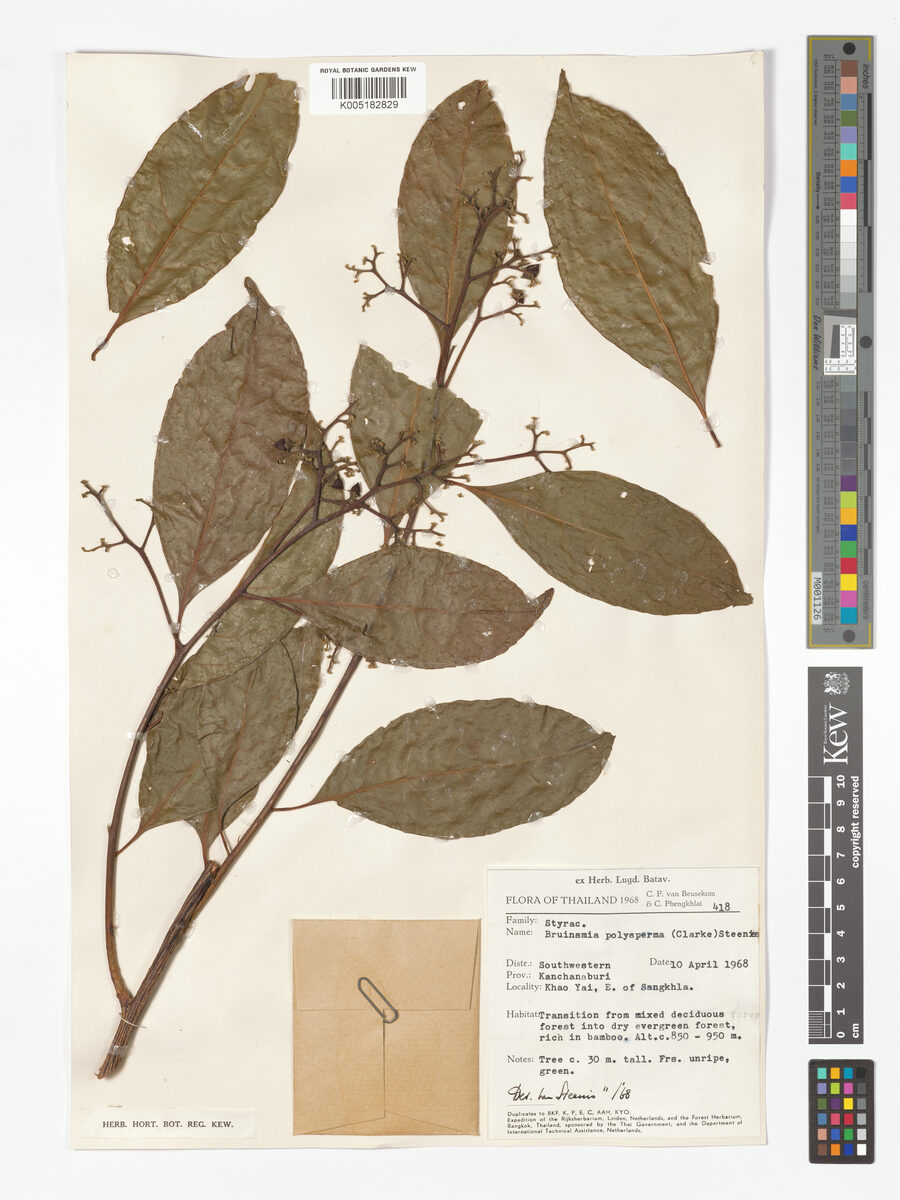
Bruinsmia polysperma
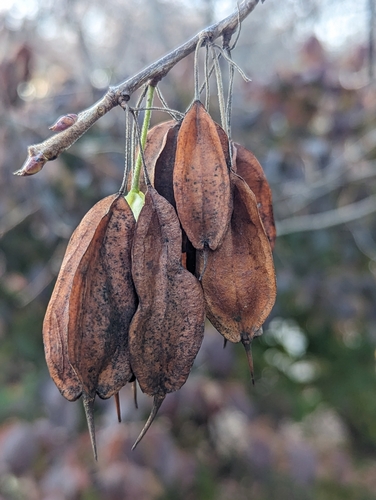
Halesia carolina
Carolina Silverbell, Mountain Silverbell, Snowdrop tree, Silver-bell tree, Wild olive
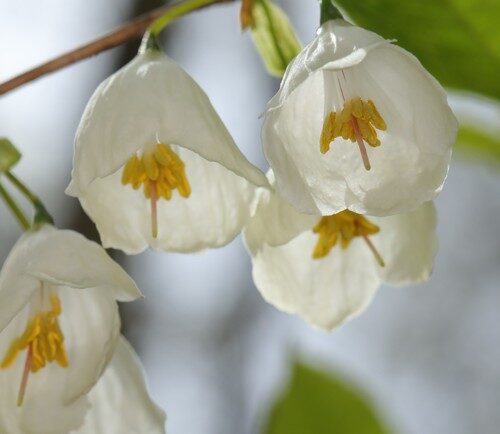
Halesia tetraptera
Silverbell or Mountain Silverbell
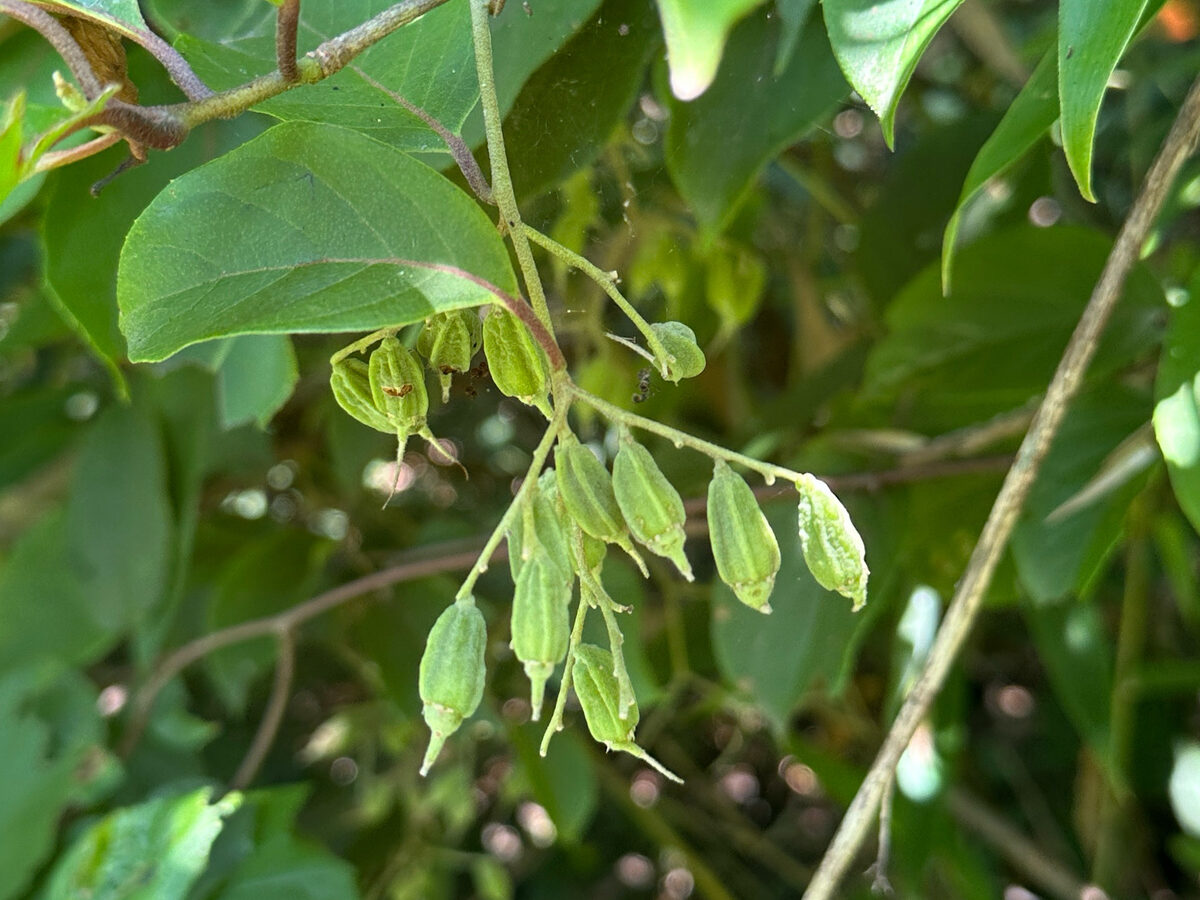
Pterostyrax corymbosa
Epaulette Tree
Pterostyrax corymbosus
Epaulette tree, Silver bell, Snowdrop tree
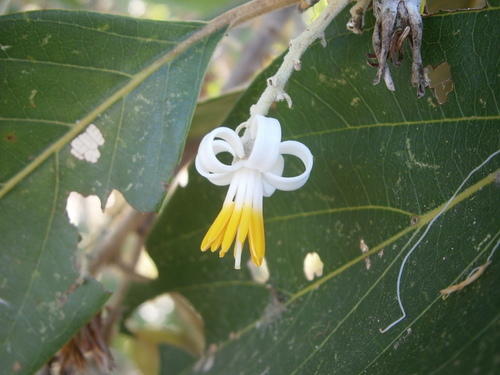
Styrax argenteus var. ramirezii