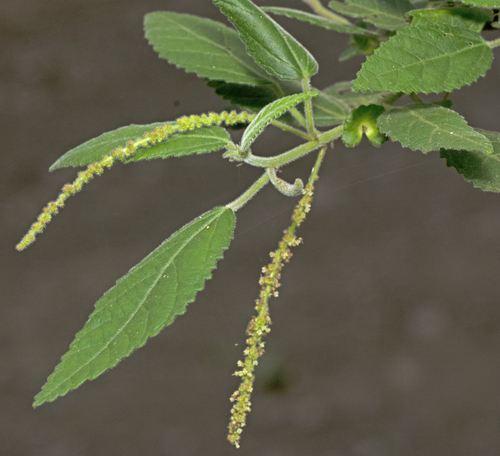
Euphorbia antisyphilitica
Zucc.
Candelilla
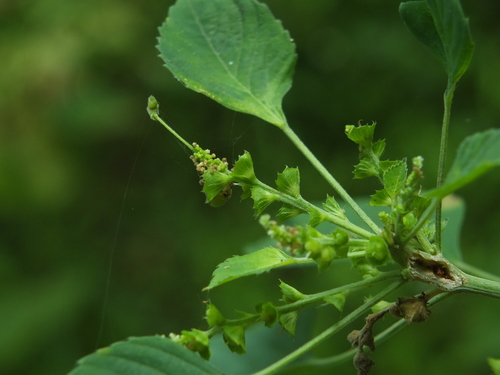
iNaturalist· cc-by-nc
(c) Zona Sujeta a Conservación Ecológica Sierra de Zapalinamé, some rights reserved (CC BY-NC), uploaded by Zona Sujeta a Conservación Ecológica Sierra de Zapalinamé
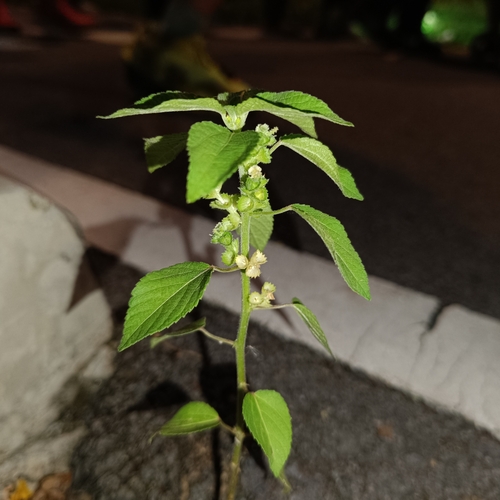
iNaturalist· cc-by-nc
(c) Zona Sujeta a Conservación Ecológica Sierra de Zapalinamé, some rights reserved (CC BY-NC), uploaded by Zona Sujeta a Conservación Ecológica Sierra de Zapalinamé
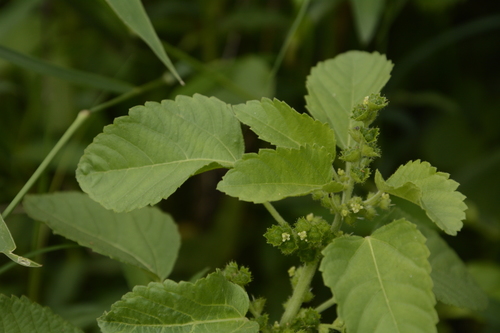
iNaturalist· cc-by-nc
(c) comuneroschilac, some rights reserved (CC BY-NC), uploaded by comuneroschilac
Description
Euphorbia antisyphilitica is an evergreen Shrub growing to 1 m (3ft 3in). See above for USDA hardiness. It is hardy to UK zone 8. It is in leaf all year. The species is monoecious (individual flowers are either male or female, but both sexes can be found on the same plant) and is pollinated by Insects. Suitable for: light (sandy) and medium (loamy) soils and prefers well-drained soil. Suitable pH: mildly acid, neutral and basic (mildly alkaline) soils. It cannot grow in the shade. It prefers dry or moist soil and can tolerate drought.
Edible Uses
A wax from the plant can be used to make chewing gum.
Known Hazards
The sap contains a latex which is toxic on ingestion and highly irritant externally, causing photosensitive skin reactions and severe inflammation, especially on contact with eyes or open cuts. The toxicity can remain high even in dried plant material. Prolonged and regular contact with the sap is inadvisable because of its carcinogenic nature.
Distribution
Southern N. America - Texas to Mexico.
Where It Grows
NORTHERN AMERICA: United States (New Mexico (south), Texas), Mexico (Chihuahua, Coahuila de Zaragoza, Hidalgo, Querétaro)
Cultivation
Experimental Crop Industrial Crop: Wax Management: Coppice. Prefers a light well-drained moderately rich loam in an open position. Requires ample water in the growing season but very dry conditions in the winter. We are not sure if his plant can be grown outdoors in Britain, one report says that this plant is hardy to zone 8 (which experiences temperatures down to -5°c). Another report says that minimum winter temperatures of 8 - 10°c are ample for the plant to survive. Hybridizes with other members of this genus. The ripe seed is released explosively from the seed capsules. Members of this genus are rarely if ever troubled by browsing deer and rabbits. This genus has been singled out as a potential source of latex (for making rubber) for the temperate zone, although no individual species has been singled out.
Propagation
Seed - sow spring in a warm greenhouse. When they are large enough to handle, prick the seedlings out into individual pots and grow them on in the greenhouse for at least their first winter. Plant them out into their permanent positions in late spring or early summer, after the last expected frosts. Cuttings can be taken throughout the growing season. Leave them to dry and callus for 2 weeks before potting them up.
Other Uses
Gum WaxA wax is obtained from the whole plant and is used as a polish, water proofer, for making records, lighting etc. The wax exudes from the plant pores and forms a thin skin on the stems. Most is produced in the winter and it is extracted by boiling up the plant. Carbon Farming - Industrial Crop: wax. Dynamic accumulator.