Triteleia laxa
Benth.
Grassnut
iNaturalist· cc-by-nc-nd
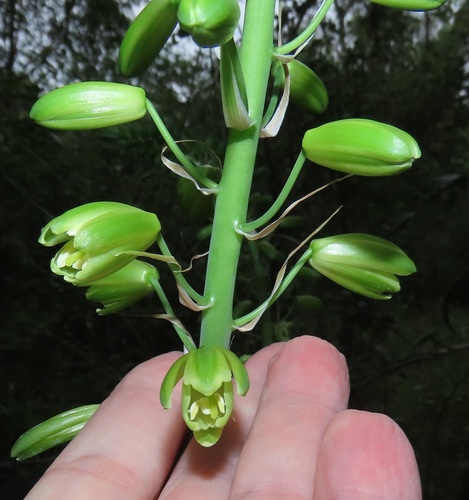
(c) Philip Bouchard, some rights reserved (CC BY-NC-ND)
iNaturalist· cc-by-nc
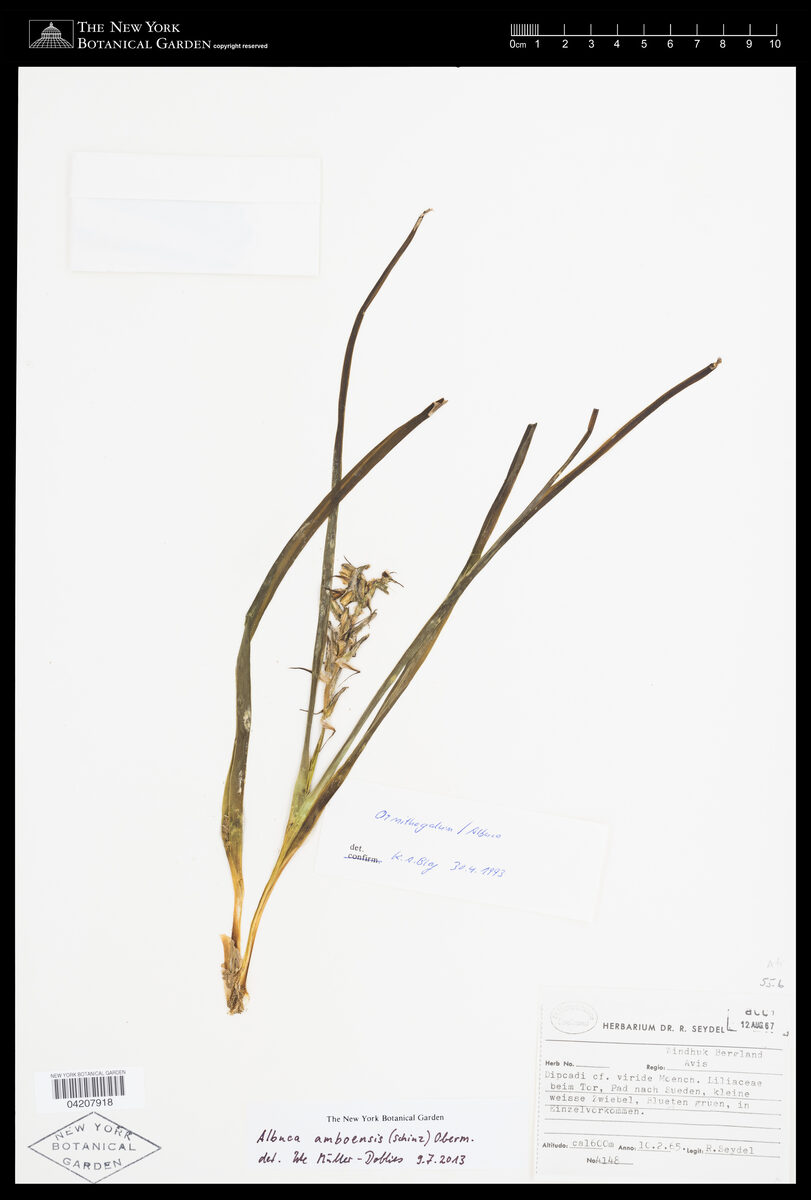
(c) constance, some rights reserved (CC BY-NC), uploaded by constance
iNaturalist· cc-by-nc
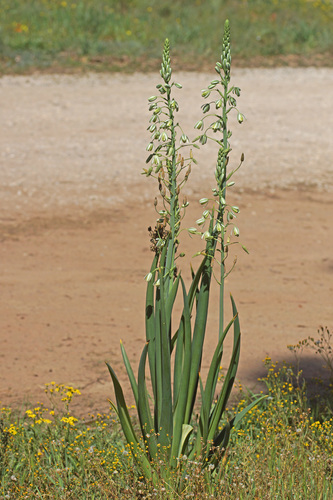
(c) Marion Anthonisen, some rights reserved (CC BY-NC), uploaded by Marion Anthonisen
Summary
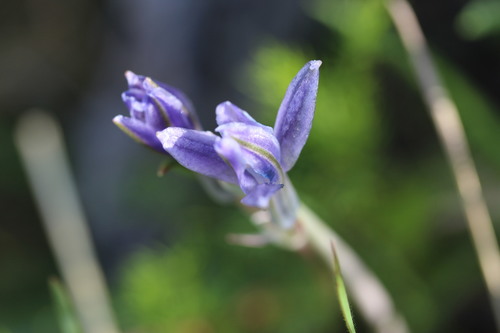
Source: WikipediaTriteleia laxa (previously Brodiaea laxa) is a triplet lily known by several common names, including Ithuriel's spear, common triteleia and grassnut. It is native to California where it is a common wildflower, and it is occasionally found in southwestern Oregon. It bears a tall, naked stem topped with a spray of smaller stalks, each ending in a purple or blue flower. The flower is tubular, opening into a sharply six-pointed star. The plant grows from a corm which is edible and similar in taste and use as the potato. The most used common name for the species, Ithuriel's spear, is a reference to the angel Ithuriel from Milton's Paradise Lost.
Description
An onion family plant. It is a lily like corm or bulb plant. It grows 60-75 cm high and spreads 20-30 cm wide. The flower stems are sturdy. The flower heads are 15 cm wide. The flowers are funnel shaped and blue or white. The flower stalks are 5 cm long.
Edible Uses
The bulb is tasty eaten raw or cooked, with a pleasant sweet flavour. Rich in starch, it can be used in the same ways as potatoes.
Traditional Uses
The bulbs are roasted and eaten.
This uses section is brief — help expand it
Medicinal Uses
None known
Distribution
It is a temperate plant. It will grow in most well-drained soils. It needs a protected, sunny position. It is resistant to frost but sensitive to drought. It suits hardiness zones 6-9.
Where It Grows
Australia, North America*, Tasmania, USA,
Cultivation
Succeeds outdoors in a warm position, requiring a rich well-drained sandy loam. Likes plenty of moisture whilst in growth followed by a warm dry period in late summer and autumn. A polymorphic species.
Propagation
Seed is best sown as soon as it is ripe in a cold frame, or alternatively in spring. Germination typically occurs within 1–3 months at 15°C. Sow thinly to avoid the need for pricking out, and grow seedlings on in the pot for their first year. Give occasional liquid feeds to prevent mineral deficiency. Seedlings are prone to damping off, so avoid overwatering and maintain good ventilation. Once dormant, pot up the small bulbs, placing around 3 per pot, and grow on in a greenhouse for another year or two until bulbs reach about 20mm in diameter. Plant out into permanent positions when dormant in autumn. For division, dig up clumps of flowering-size bulbs in autumn, replanting larger ones directly into permanent positions. Pot up smaller bulbs and grow on in a greenhouse for a year before planting out when dormant in early autumn.
Other Uses
None known
Notes
Also put in the family Alliaceae.
Synonyms
Also Known As
Ithuriel's spur, Triplet lily
References (5)
- Beckstrom-Sternberg, Stephen M., and James A. Duke. "The Foodplant Database." http://probe.nalusda.gov:8300/cgi-bin/browse/foodplantdb.(ACEDB version 4.0 - data version July 1994)
- Cundall, P., (ed.), 2004, Gardening Australia: flora: the gardener's bible. ABC Books. p 1432
- Hibbert, M., 2002, The Aussie Plant Finder 2002, Florilegium. p 302
- Moerman, D. F., 2010, Native American Ethnobotany. Timber Press. p 569
- Trans. Hort. Soc. London ser. 2, 1:413, t. 15, fig. 2. 1835