Origanum onites
L.
Pot Marjoram
iNaturalist· cc-by-nc
(c) Jessee J. Smith, some rights reserved (CC BY-NC), uploaded by Jessee J. Smith
iNaturalist· cc-by-nc-sa
(c) douneika, some rights reserved (CC BY-NC-SA)
iNaturalist· cc-by
(c) Eleftherios Katsillis, some rights reserved (CC BY), uploaded by Eleftherios Katsillis
Description
Origanum onites is a PERENNIAL growing to 0.3 m (1ft) by 0.6 m (2ft in) at a fast rate. See above for USDA hardiness. It is hardy to UK zone 8 and is not frost tender. It is in flower from July to September, and the seeds ripen from August to October. The species is hermaphrodite (has both male and female organs) and is pollinated by Bees. The plant is self-fertile. It is noted for attracting wildlife. Suitable for: light (sandy), medium (loamy) and heavy (clay) soils and prefers well-drained soil. Suitable pH: mildly acid, neutral and basic (mildly alkaline) soils. It can grow in semi-shade (light woodland) or no shade. It prefers dry or moist soil. The plant can tolerates strong winds but not maritime exposure.
Edible Uses
Tea. Leaves - raw or cooked. They are used as a flavouring for salad dressings, vegetables and legumes and are best added in the final stages of cooking. A strong thyme-like aroma, the leaves are used as a substitute for oregano or marjoram, but they are inferior in flavour. A slightly bitter flavour, it is not nearly so sweet and delicate as O. majorana or O. vulgare. Its flavour, however, lasts longer in cooked dishes. A herb tea is made from the leaves.
Medicinal Uses
Antiseptic Antispasmodic Carminative Cholagogue Diaphoretic Disinfectant Emmenagogue Expectorant Stimulant Stomachic Tonic. The leaves and flowering stems are antiseptic, antispasmodic, carminative, cholagogue, diaphoretic, emmenagogue, expectorant, stimulant, stomachic and mildly tonic. They are harvested in the summer and can be used fresh or dried.
Distribution
Europe - Mediterranean
Where It Grows
TEMPERATE ASIA: Turkey. EUROPE: Greece (incl. Crete), Italy, Sicilia,
Cultivation
Requires a rather dry, warm, well-drained soil, but is not fussy as to soil type, thriving on chalk. Prefers slightly alkaline conditions. This species is not hardy in the colder areas of the country, it tolerates temperatures down to about -10°c. Sometimes cultivated as a culinary herb. A good companion plant, improving the flavour of nearby plants. The flowers are very attractive to bees. Members of this genus are rarely if ever troubled by browsing deer. Oregano is typically harvested in late spring to summer, just before the plant begins to flower. Oregano generally flowers from mid-summer to early autumn. Oregano grows relatively quickly, reaching maturity in about 2-3 months under optimal conditions. Oregano is self-fertile.
Propagation
Seed - sow early spring at 10 - 13°c and only just cover the seed. Germination usually takes place within 2 weeks. Prick out the seedlings into individual pots when they are large enough to handle and plant them out into their permanent positions in early summer. The seed can also be sown in situ in late spring. Division in March or October. Very easy, larger divisions can be planted out direct into their permanent positions. We have found that it is better to pot up the smaller divisions and grow them on in light shade in a cold frame until they are well established before planting them out in late spring or early summer. Basal cuttings of young barren shoots in June. Very easy. Harvest the shoots with plenty of underground stem when they are about 8 - 10cm above the ground. Pot them up into individual pots and keep them in light shade in a cold frame or greenhouse until they are rooting well. Plant them out in the summer.
Other Uses
Disinfectant Dye Essential Pot-pourri Agroforestry uses: Oregano can be used as a companion plant, helping to attract beneficial insects and improving the overall health of surrounding plants. It may also help deter certain pests. An essential oil from the leaves is used as a food flavouring and in perfumery. The leaves and flowering stems are added to pot-pourri and scented articles. The plant is often used to disinfect bee hives.
More from Lamiaceae
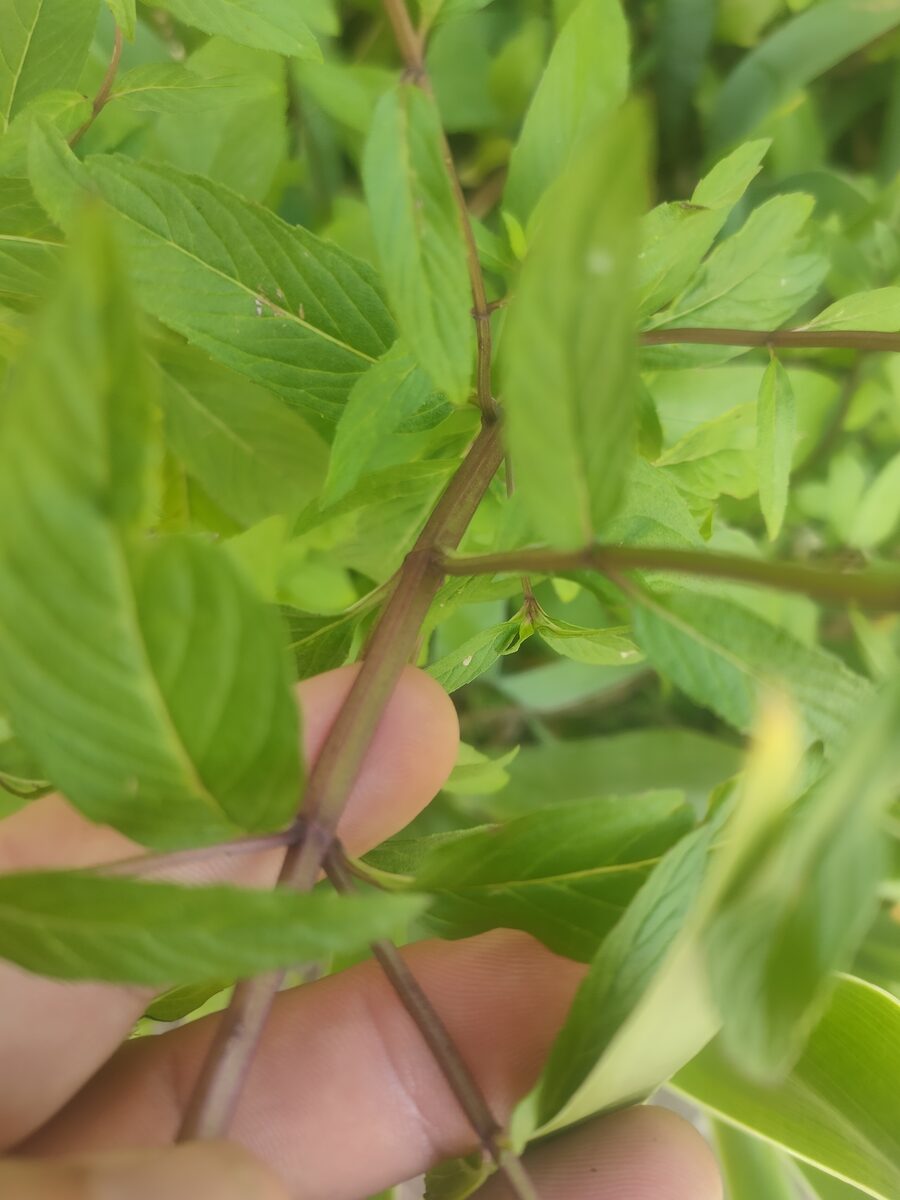
Mentha x gracilis
Ginger Mint
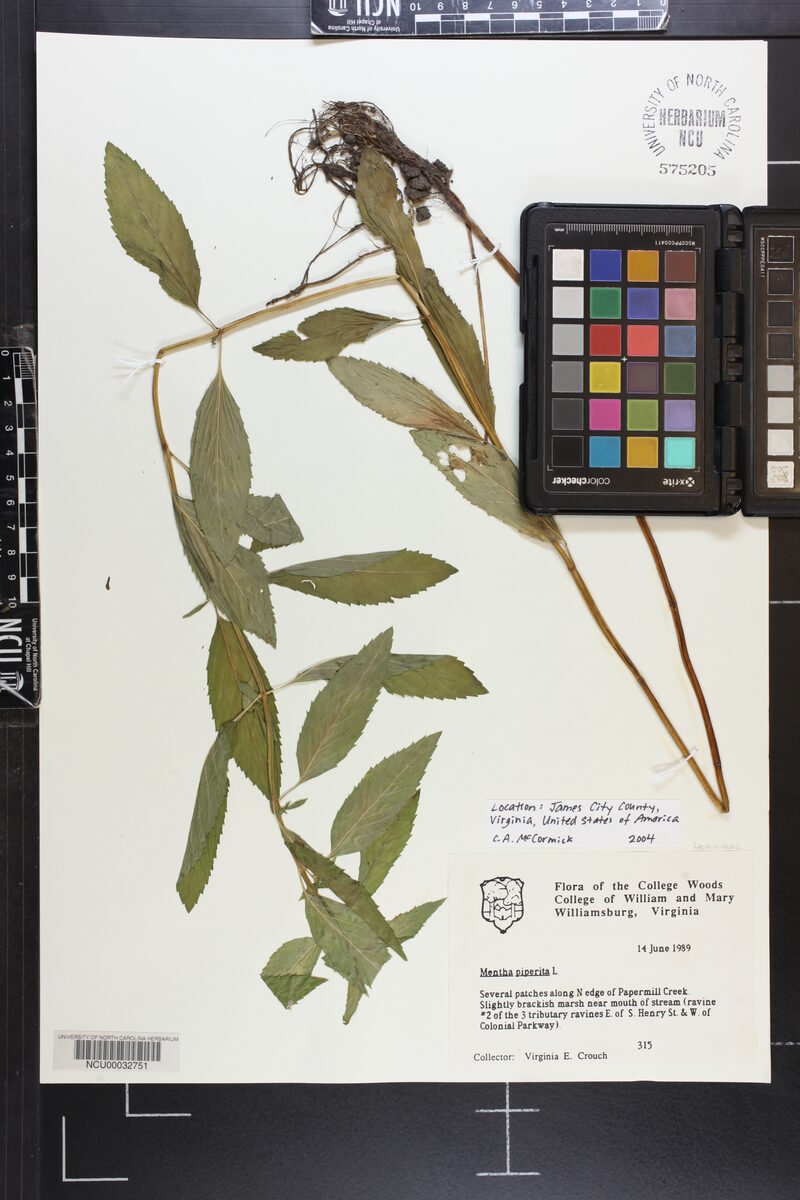
Mentha x piperita citrata - (Ehrh.)Briq.
Eau De Cologne Mint, Eau de Cologne Mint, Peppermint
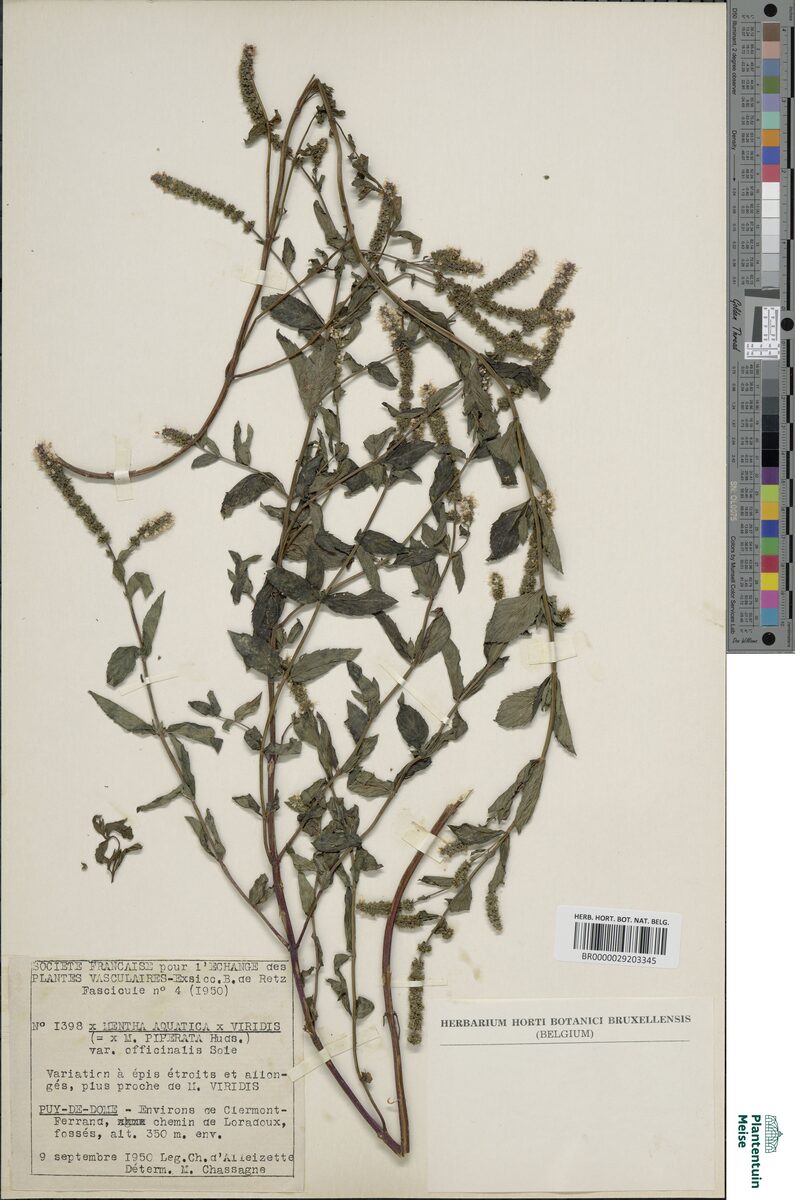
Mentha x piperita officinalis
White Peppermint
Mentha x piperita vulgaris
Black Peppermint
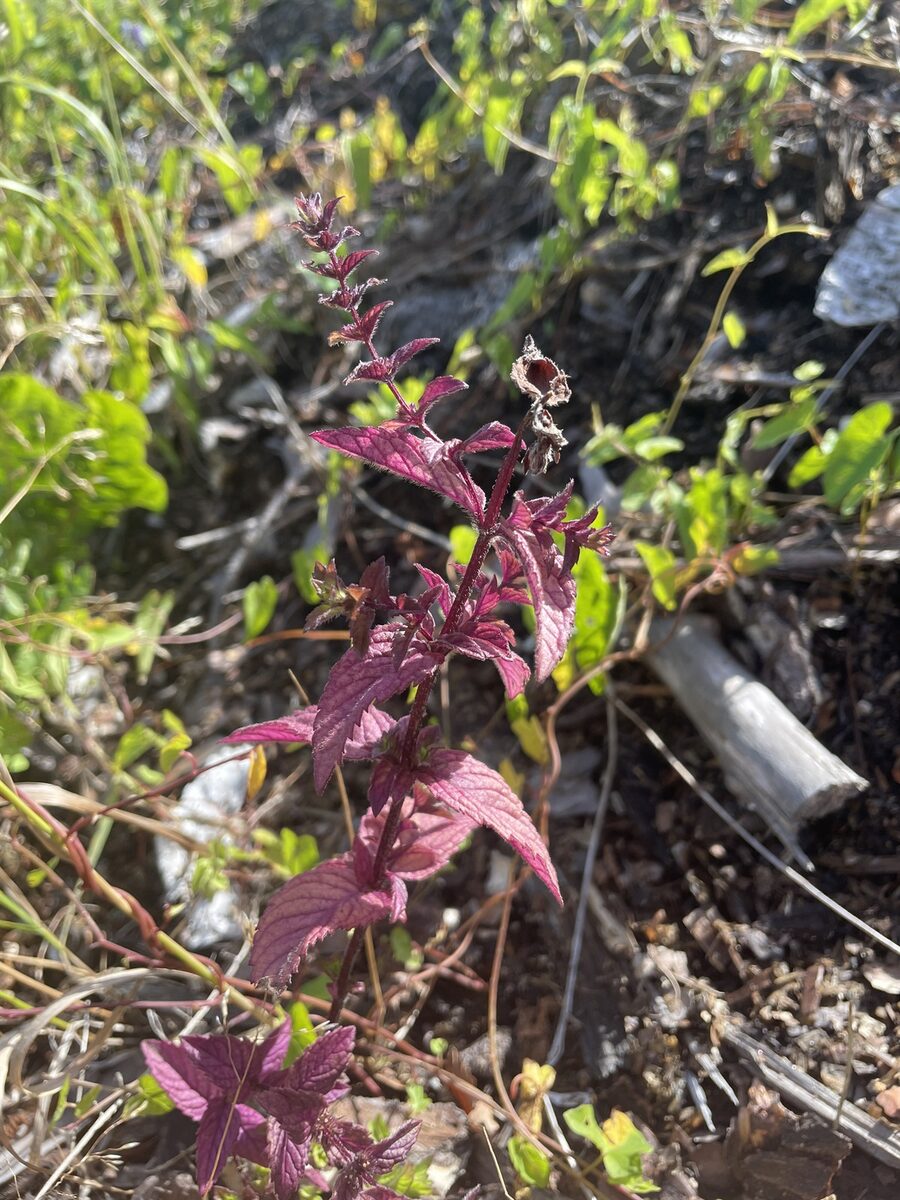
Mentha x smithiana
Red Raripila Mint
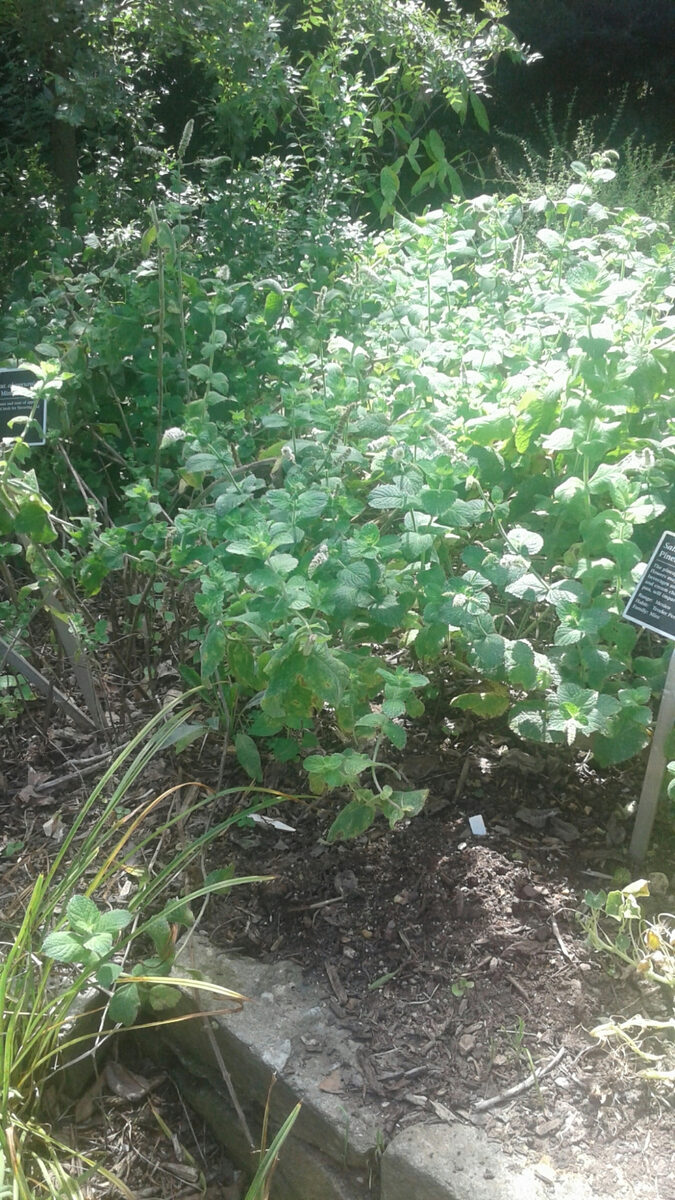
Mentha x villosa alopecuroides - (Hull.)Briq.
Apple Mint, Bowles' Mint