Clematis longicauda
Steud. ex A. Rich.
iNaturalist· cc-by-nc-sa
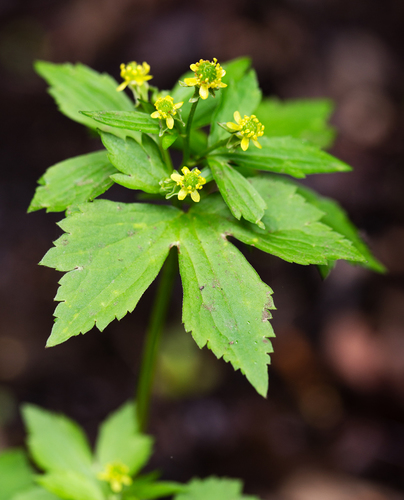
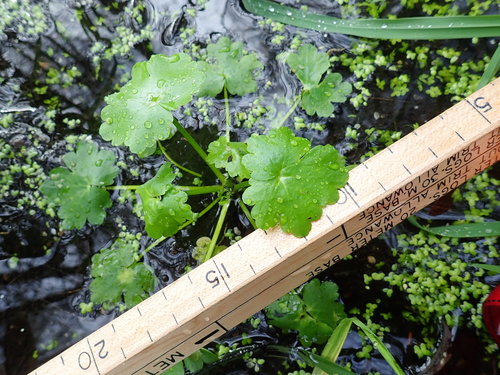
(c) Marco Schmidt, some rights reserved (CC BY-NC-SA), uploaded by Marco Schmidt
iNaturalist· cc-by-nc-sa
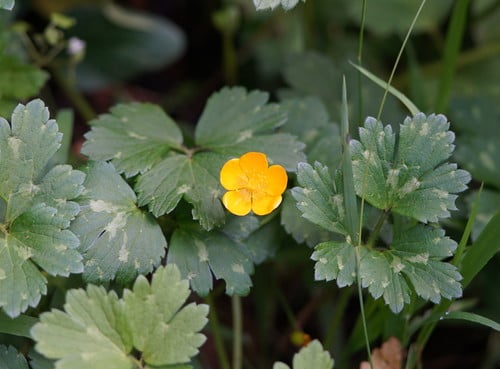
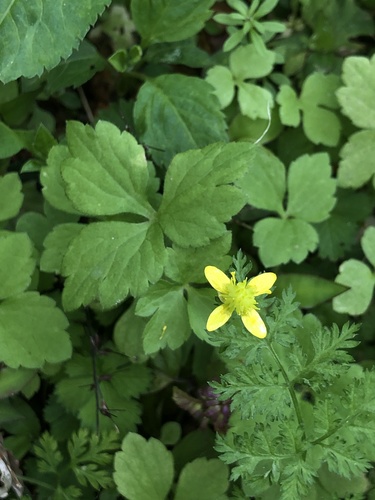
(c) Marco Schmidt, some rights reserved (CC BY-NC-SA)
Description
A tropical creeping vine in the buttercup family (Ranunculaceae) found in seasonally dry areas, with hairy leaflets on both surfaces.
This description is brief — help expand it
Traditional Uses
CAUTION: Most Clematis contain an irritant poison.
This uses section is brief — help expand it
Known Hazards
The European species did not enter into the herbalists' pharmacopeia. In the American Old West, the Western white clematis, Clematis ligusticifolia, was called pepper vine by early travelers and pioneers, who took a tip from Spanish colonials and used seeds and the acrid leaves of yerba de chivato as a pepper substitute. The entire genus contains essential oils and compounds which are extremely irritating to the skin and mucous membranes. Unlike black pepper or Capsicum, however, the compounds in clematis cause internal bleeding of the digestive tract if ingested in large amounts. C. ligusticifolia is essentially toxic. When pruning them, it is a good idea to wear gloves. Despite its toxicity, Native Americans used very small amounts of clematis as an effective treatment for migraine headaches and nervous disorders. It was also used as an effective treatment of skin infections. Clematis is also a constituent of Bach's Rescue Remedy. Leaf extracts from two Ethiopian species (Clematis longicauda steud ex A. Rich. and Clematis burgensis Engl.) are used locally to treat ear disorders and eczema. Phytochemical screening of the extracts from both of these species showed antibacterial and antifungal activity. The extracts of these plants also possess wound healing and anti-inflammatory activities which could also be attributed to the phytoconstituents. Clematis has been listed as one of the 38 plants used to prepare Bach flower remedies, a kind of alternative medicine promoted for its effect on health. However, according to Cancer Research UK, "there is no scientific evidence to prove that flower remedies can control, cure or prevent any type of disease, including cancer".
Distribution
It is a tropical plant. It grows in seasonally dry areas.
Where It Grows
Africa, East Africa, Ethiopia, Yemen,
Notes
Probably edible.
References (1)
- Molla, A., Ethiopian Plant Names. http://www.ethiopic.com/aplants.htm