Haloxylon spp
Various
Saxaul
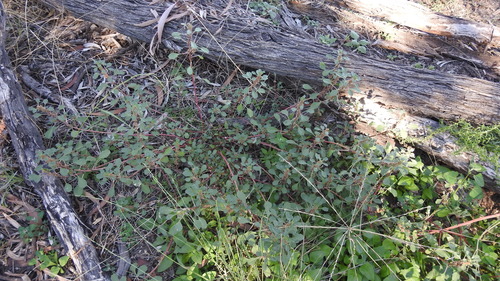
gbif· cc-by-nc
kateryna_f
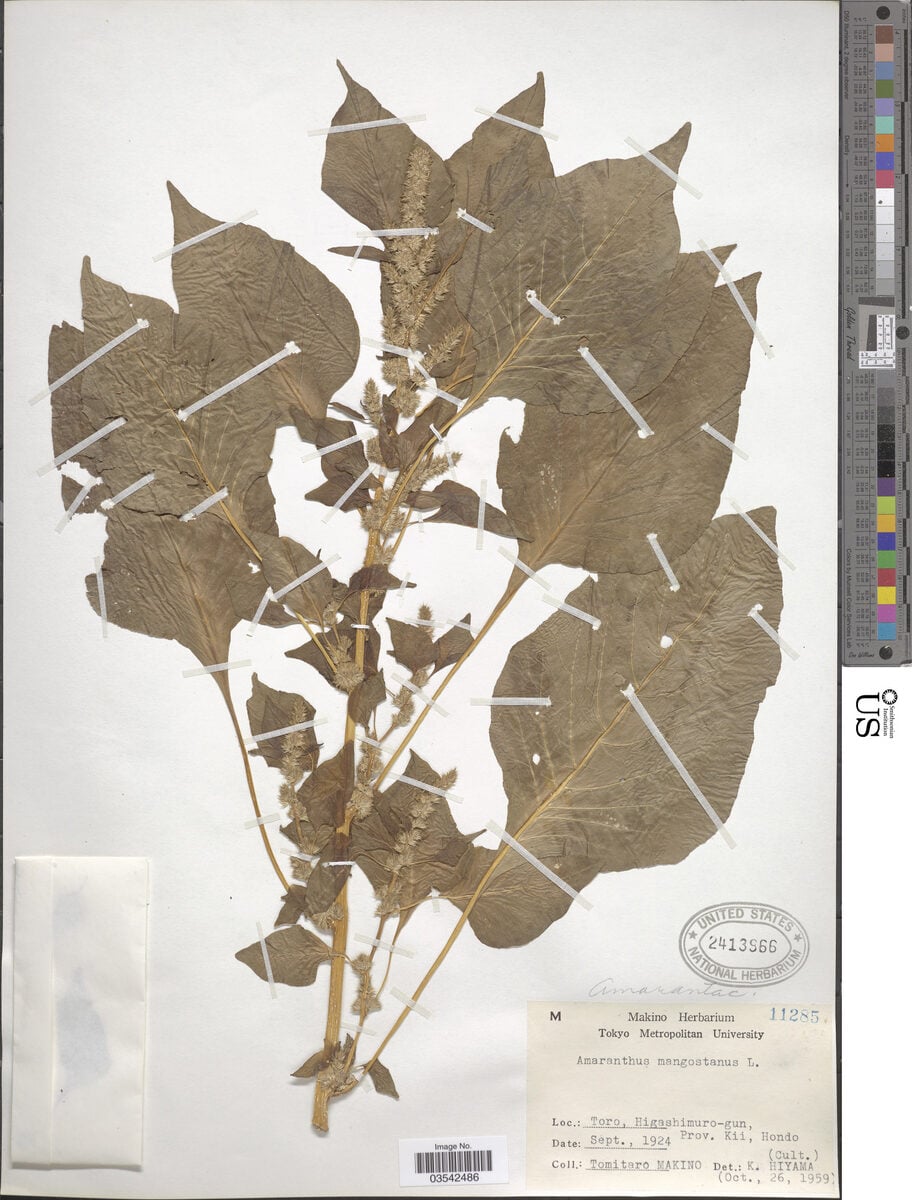
gbif· cc-by-nc
kateryna_f
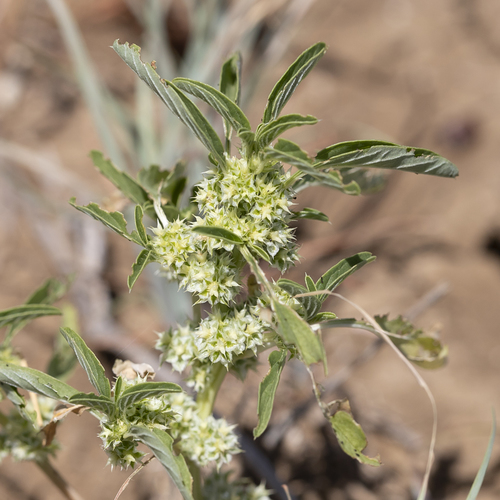
gbif· cc-by-nc-nd
Wa'el Almatni
Description
Haloxylon spp is an evergreen Shrub growing to 8 m (26ft) by 6 m (19ft) at a slow rate. See above for USDA hardiness. It is hardy to UK zone 10. Suitable for: light (sandy) and medium (loamy) soils, prefers well-drained soil and can grow in nutritionally poor soil. Suitable pH: neutral and basic (mildly alkaline) soils and can grow in very alkaline and saline soils. It cannot grow in the shade. It prefers dry or moist soil and can tolerate drought.
Edible Uses
Its bark can be pressed to extract drinkable water--a critically important commodity for nomadic peoples.
Medicinal Uses
See individual species. Roots host the parasitic plant cistanche, which traditional Asian herbalists use to produce a salty-tasting medicinal component used in treating ailments of infertility, age-related lethargy, blurred vision, memory loss, baldness, balance disorders and heart palpitations. Cistanche is sometimes known as the "ginseng of the desert."
Distribution
Southwest and Central Asia, from Egypt to Mongolia and China (Sinkiang and Kansu).
Where It Grows
Coming Soon
Cultivation
Can grow in different soil types but the root is more successful in sandy soils rather than heavily textured soils. The succulent root system acquires more water and survives drought better in sandy soils providing good anchorage in strong winds. In good conditions with some available water small forests appear. Carbon Farming Solutions - Cultivation: regional crop. Management: coppice (Describes the non-destructive management systems that are used in cultivation).
Propagation
See individual plant entries.
Other Uses
FodderIt provides fodder for livestock. Its wood is a good fuel. Provides cover and forage for wildlife. The wood yields a green dye used for colouring wool yarn. Carbon Farming Solutions - Fodder: bank.
Synonyms
Also Known As
Haloxylon spp. Haloxylon species. Saxaul, Sacsaoul, Saksaul, C?????i?, Seksewil