Solanum pimpinellifolium
L.
Currant Tomato
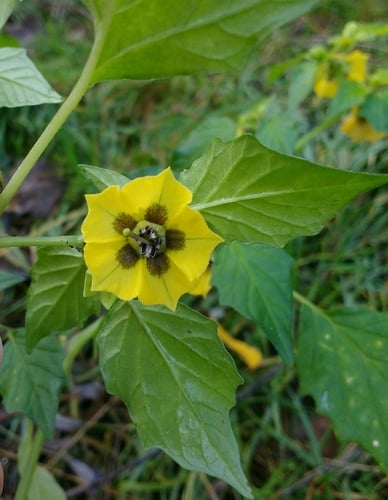
iNaturalist· cc-by
(c) David F. Belmonte, some rights reserved (CC BY), uploaded by David F. Belmonte
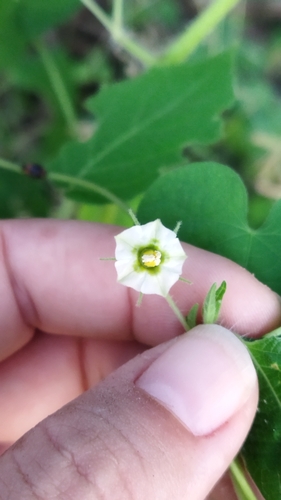
iNaturalist· cc-by
(c) Daniel Velasco C., some rights reserved (CC BY), uploaded by Daniel Velasco C.
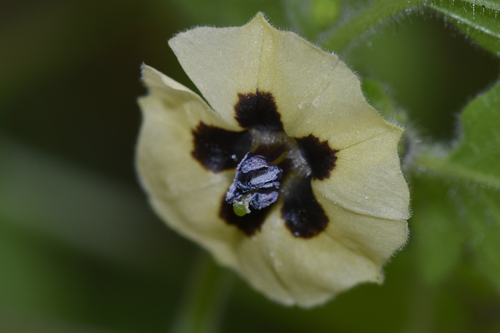
iNaturalist· cc-by
(c) Daniel Velasco C., some rights reserved (CC BY), uploaded by Daniel Velasco C.
Description
Solanum pimpinellifolium is a ANNUAL/BIENNIAL growing to 1 m (3ft 3in) by 0.5 m (1ft 8in) at a fast rate. See above for USDA hardiness. It is hardy to UK zone 10. The flowers are pollinated by Insects. The plant is self-fertile. Suitable for: light (sandy), medium (loamy) and heavy (clay) soils and prefers well-drained soil. Suitable pH: mildly acid, neutral and basic (mildly alkaline) soils. It cannot grow in the shade. It prefers moist soil.
Edible Uses
Oil. Fruit - raw, cooked or dried for later use. Sweet and delicious, it makes an excellent dessert fruit and is also used in savoury dishes as a vegetable. The red, globose fruit is rather small and fiddly, about 10 - 15mm in diameter, but it is produced in quite large bunches and is well worth the effort of picking. An edible oil is obtained from the seed. The seed is small and it would be very fiddly to utilize. It is only viable to use the seed as a source of oil if large quantities of the plants are being grown for their fruits and the seed is not wanted.
Medicinal Uses
Antirheumatic Odontalgic. The pulped fruit is an extremely beneficial skin-wash for people with oily skin. Sliced fruits are a quick and easy first aid treatment for burns, scalds and sunburn. A decoction of the root is ingested in the treatment of toothache. The skin of tomato fruits is a good source of lycopine, a substance that has been shown to protect people from heart attacks. It seems to be more effective when it is cooked and so can be obtained from food products such as tomato ketchup and tinned tomatoes. A homeopathic remedy is made from the plant. It is used in the treatment of rheumatism and severe headaches.
Known Hazards
All green parts of the plant are poisonous. Although providing many well-known foods for people, including the potato, tomato, pepper and aubergine, most plants in the family Solanaceae also contain poisonous alkaloids. Unless there are specific entries with information on edible uses, it would be unwise to ingest any part of this plant.
Distribution
Original habitat is obscure, probably Western S. America as a cultivated form of L. Cerasiforme.
Where It Grows
SOUTHERN AMERICA: Ecuador (El Oro, Esmeraldas, Guayas, Los Ríos, Pichincha), Peru (Amazonas, Ancash, Cajamarca, La Libertad, Lambayeque, Lima, Piura, Tumbes)
Cultivation
Plants are not frost-hardy. They can be grown outdoors in Britain as a spring-sown annual started off under glass in the spring. In cool wet summers the total yields are likely to be low. Requires a rich well-drained soil in a sunny position. The plant has been introduced as a crop into the Galapagos, where it has shown a tendency to invade disturbed areas. It is of particular concern there due to possible hybridization with native Solanaceae. There are some named varieties.
Propagation
Seed - sow in situ The seedcoat may carry tomato mosaic virus. However, by sowing the seed 15mm deep the seedcoat will remain below the soil surface when the seed germinates and the disease will be inactivated.
Other Uses
Oil Repellent Soap making. Agroforestry Uses: The strong aroma of this plant is said to repel insects from nearby plants. Other Uses A semi-drying oil is obtained from the seed. Used in making soap. See the notes above regarding utilization.
Synonyms
Also Known As
Mantathur chin