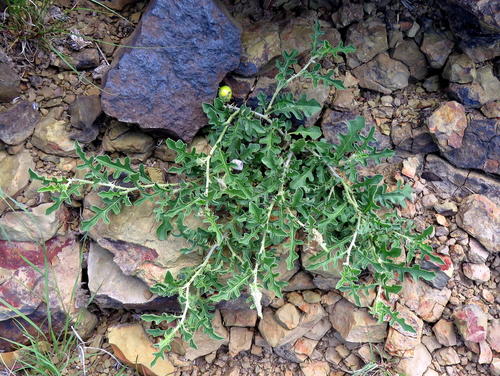
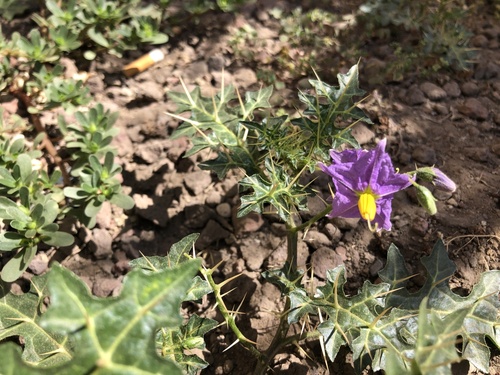
Physalis gracilis
Miers
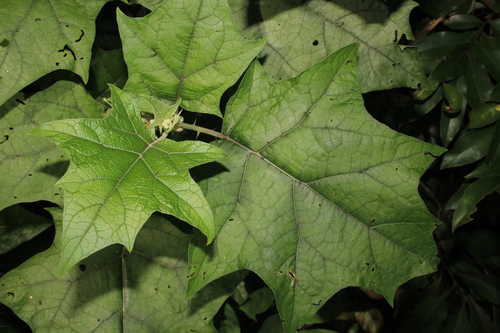
iNaturalist· cc-by-nc
(c) Mario Montero-Guzmán, some rights reserved (CC BY-NC), uploaded by Mario Montero-Guzmán
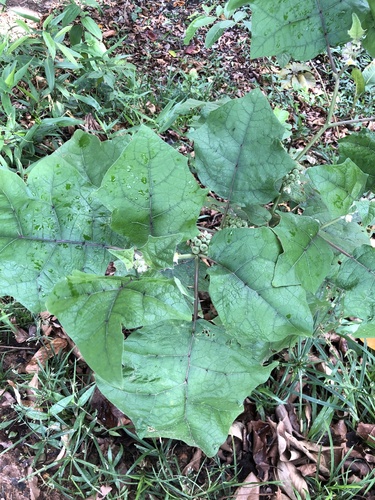
iNaturalist· cc-by-nc
(c) Mario Montero-Guzmán, some rights reserved (CC BY-NC), uploaded by Mario Montero-Guzmán
iNaturalist· cc-by-nc
(c) Mario Montero-Guzmán, some rights reserved (CC BY-NC), uploaded by Mario Montero-Guzmán
Description
A subtropical herb in the nightshade family with edible leaves and fruit.
This description is brief — help expand it
Edible Uses
Fruit - raw. A sweet flavour. The yellow, globose fruit is 8 - 10mm in diameter with numerous small seeds.
Medicinal Uses
The plant is used medicinally. No more information.
Known Hazards
The unripe fruits and foliage of Physalis species contain solanine and other solanidine alkaloids and are toxic if ingested in large quantities. The ripe fruiys are usually edible, and several species are cultivated for these fruits.
Distribution
It is a subtropical plant.
Where It Grows
Ecuador, Mexico, South America*,
Cultivation
Physalis gracilis is a plant of the moist tropics.
Other Uses
Physalis gracilis is a wild relative of, and potential gene donor to Cape gooseberry (Physalis peruviana), low ground-cherry Physalis pubescens) and tomatillo (Physalis ixocarpa.
Also Known As
Champ lulh, Costomate, Tomate, Tomatillo, Yurankmis
References (4)
- Mapes, C. & Basurto, F., 2016, Biodiversity and Edible Plants of Mexico. Chapter 5 in R. Lira, et al. (eds.), Ethnobotany of Mexico, Ethnobiology, Springer. p 107
- Pena, F. B., et al, 1998, Los quelites de la Sierra Norte de Puebla, Mexico: Inventory Y Formas de Preparacion. Bol. Soc. Bot. Mexico 62:49-62
- Piedra-Malagón, E. M., et al, 2022, Edible native plants of the Gulf of Mexico Province. Biodiversity Data Journal 10: e80565 p 31
- Torre, de la, L., et al, 2008, Enciclopedia de las Plantas Útiles del Ecuador. Herbario QCA. Pontificia Universidad Católica del Ecuador. p 587