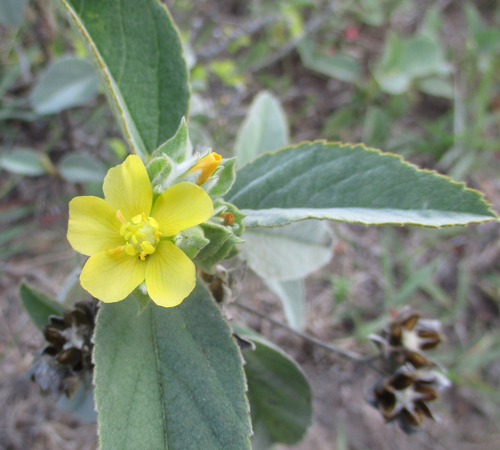
Malva excisa
Rchb.
iNaturalist· cc-by-nc
(c) Станислав, some rights reserved (CC BY-NC), uploaded by Станислав
iNaturalist· cc-by-nc
(c) Alexander Baransky, some rights reserved (CC BY-NC), uploaded by Alexander Baransky
iNaturalist· cc-by-nc
(c) Sierhei, some rights reserved (CC BY-NC), uploaded by Sierhei
Description
Malva excisa is a PERENNIAL growing to 1.2 m (4ft). See above for USDA hardiness. It is hardy to UK zone 4. It is in flower from July to October, and the seeds ripen from August to October. The species is hermaphrodite (has both male and female organs) and is pollinated by Insects. Suitable for: light (sandy), medium (loamy) and heavy (clay) soils and prefers well-drained soil. Suitable pH: mildly acid, neutral and basic (mildly alkaline) soils. It can grow in semi-shade (light woodland) or no shade. It prefers moist soil.
Edible Uses
Oil. Leaves - raw or cooked. A mild pleasant flavour. Mucilaginous and fairly bland, it makes a good lettuce substitute in salads. Flowers - raw. A very decorative addition to the salad bowl, they have a mild flavour and a similar texture to the leaves. Seed - raw. Best used before it is fully mature, the seed has a pleasant nutty taste but it is rather small and fiddly to harvest.
Medicinal Uses
Demulcent Mouthwash. The leaves are demulcent. They are also used as a mouthwash for inflammatory and catarrhal conditions.
Known Hazards
Although we have seen no reports of toxicity for this species, when grown on nitrogen rich soils (and particularly when these are cultivated inorganically), the leaves of some species tend to concentrate high levels of nitrates in their leaves. The leaves are perfectly wholesome at all other times.
Distribution
Europe.
Where It Grows
EUROPE: Moldova, Ukraine
Cultivation
A very easily grown plant, succeeding in ordinary garden soil, though it prefers a reasonably well-drained and moderately fertile soil in a sunny position. A very ornamental plant. This species is closely related to M. alcea and considered no more than an extreme form of that species by some botanists. Plants seem to be immune to the predations of rabbits. Prone to infestation by rust fungus.
Propagation
Seed - best sown in early spring in a cold frame. The seed germinates quickly and easily. Prick out the seedlings into individual pots when they are large enough to handle and plant them out in their permanent positions in the early summer. If you have sufficient seed then it can be sown outdoors in situ in the middle to late spring. Basal cuttings in late spring. Harvest the shoots with plenty of underground stem when they are about 8 - 10cm above the ground. Pot them up into individual pots and keep them in light shade in a cold frame or greenhouse until they are rooting well. Plant them out in the summer.
Other Uses
Dye Fibre Oil OilA fibre obtained from the stem is used for making cordage. Cream, yellow and green dyes can be obtained from the plant and the seed heads. The seed yields 15% oil, the uses have not been given though it is almost certainly edible.