Lablab purpureus - (L.)Sweet.
(L.)Sweet.
Hyacinth Bean, Bonavist-bean
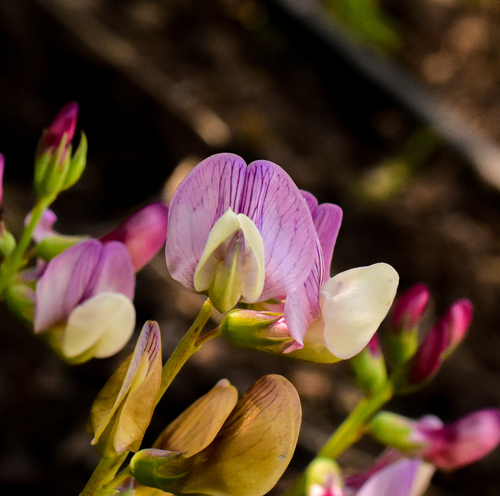
gbif· cc-by-nc
along2022
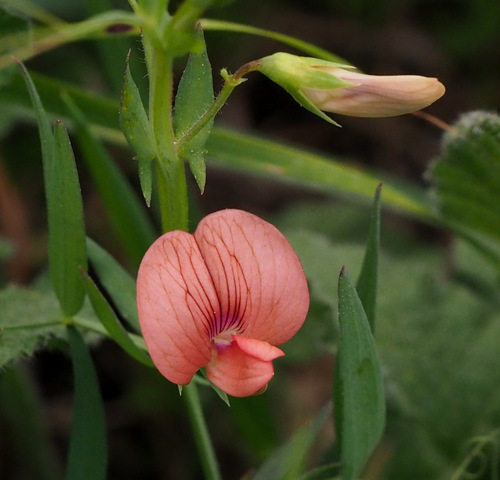
gbif· cc-by-nc
along2022
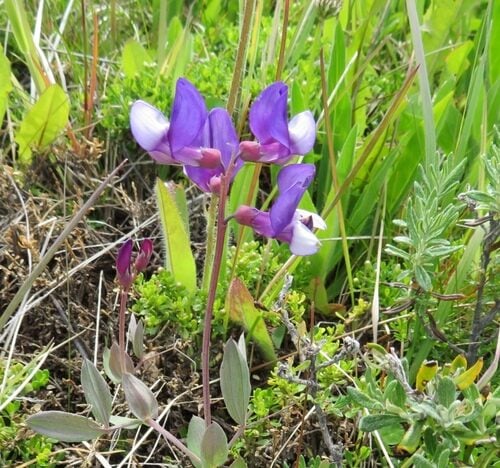
gbif· cc-by-nc
along2022
Description
Lablab purpureus is a PERENNIAL CLIMBER growing to 2 m (6ft 7in) at a fast rate. See above for USDA hardiness. It is hardy to UK zone 10 and is frost tender. It is in flower from July to September, and the seeds ripen from September to October. The species is hermaphrodite (has both male and female organs) and is pollinated by Insects. The plant is self-fertile. It can fix Nitrogen. It is noted for attracting wildlife. Suitable for: light (sandy), medium (loamy) and heavy (clay) soils and prefers well-drained soil. Suitable pH: mildly acid, neutral and basic (mildly alkaline) soils. It cannot grow in the shade. It prefers moist soil and can tolerate drought.
Edible Uses
The mature seed is edible as long as it is thoroughly cooked[2, 27, 33, 34, 74, 171]. It has a mild flavour, is rich in protein and can be used as a staple food. The seed can also be prepared as 'tofu' or be fermented into 'tempeh' in the same way that soya beans are used in Japan. The seed can also be sprouted and eaten raw, when it is comparable to mung bean sprouts. A nutritional analysis is available. The tender young seedpods and immature seeds can be eaten raw or cooked. They can be used as a green vegetable like French beans. They are also used as a curry vegetable. The immature seedpod contains 3.2% protein, 0.8% fat, 5.4% carbohydrate, 0.81% ash. It is rich in vitamin B1. Leaves - they must be cooked. They can also be dried for later use. The leaves are used as a greens just like spinach. They contain up to 28% protein (dry weight?). Flowers - raw or cooked in soups and stews. Root - large and starchy.
Medicinal Uses
Anthelmintic Anticholesterolemic Antidote Antispasmodic Antivinous Aphrodisiac Astringent Carminative Cholera Digestive Febrifuge Hypoglycaemic Miscellany Stomachic. The plant (though the exact part used is not stipulated) is anticholesterolemic, antidote (to most forms of poison), antivinous, carminative, hypoglycaemic. Prolongs co-agulation time. It is used in the treatment of cholera, vomiting, diarrhoea, leucorrhoea, gonorrhoea, alcoholic intoxication and globefish poisoning. The flowers are antivinous, alexiteric and carminative. The stem is used in the treatment of cholera. The juice from the pods is used to treat inflamed ears and throats. The fully mature seeds are anthelmintic, antispasmodic, aphrodisiac, astringent, digestive, febrifuge and stomachic. They are used in the treatment of sunstroke, nausea, vomiting, diarrhoea, enteritis, abdominal pain, alcoholism and arsenism. The seed is well dried and then roasted before use.
Known Hazards
The raw seed is poisonous.
Distribution
Probably originated in the Tropics but has been cultivated for so long that its origins are obscure.
Where It Grows
AFRICA: Ethiopia, Sudan, Chad, Kenya, Tanzania, Uganda, Cameroon, Gabon, Rwanda, Côte D‘Ivoire, Ghana, Niger, Nigeria, Senegal, Sierra Leone, Togo, Angola, Mozambique, Malawi, Zambia, Zimbabwe, Botswana, Namibia, Eswatini, South Africa (Eastern Cape, Free State, Gauteng, Kwa. Zulu-Natal, Limpopo, Mpumalanga, North-West, Western Cape), Madagascar
Cultivation
Easily grown in an ordinary garden soil so long as the temperature is sufficient. Succeeds in relatively poor soils so long as they are well-drained. Plants grow best at temperatures between 28 - 30°c though they tolerate mean temperatures as low as 9°c. Prefers a rich moist soil in a warm sheltered position. Prefers a well-drained soil with a high organic matter content and a pH between 5.5 and 6. Some varieties are drought resistant. A perennial species, it is not cold-hardy in Britain, though it is occasionally grown as an annual in the ornamental garden. It requires a minimum temperature of 7 - 10°c if it is to survive winter conditions. The hyacinth bean is commonly cultivated in warm temperate and tropical climates for its edible seed, there are many named varieties varying in height from 60cm to 2 metres. Short-day, long-day and daylength-neutral varieties are available, you should use day-length-neutral or long-day varieties in northern latitudes. Plants are fairly fast-growing, young pods are ready to harvest from 70 - 120 days after sowing. This species has a symbiotic relationship with certain soil bacteria, these bacteria form nodules on the roots and fix atmospheric nitrogen. Some of this nitrogen is utilized by the growing plant but some can also be used by other plants growing nearby. Hyacinth bean is a fast-growing annual/perennial that can reach maturity in about 70 to 120 days under optimal conditions. The young pods and leaves can be harvested in summer, typically from late summer to early autumn. Lablab purpureus usually flowers in mid-summer to early autumn. Lablab purpureus is generally considered self-fertile.
Propagation
Seed - pre-soak for 2 hours in warm water and sow in early spring in a greenhouse in a fairly rich soil. Either sow 2 seeds to a pot and thin to the strongest plant, or sow in a tray and prick out into individual pots when the plants are large enough to handle. Grow on fast and plant out after the last expected frosts. The seed germinates in 2 - 4 weeks at 25°c.
Other Uses
This plant can be used as a ground cover and is a nitrogen fixer, enhancing soil fertility. It can also serve as a trellis plant, providing shade and support for other crops. Plants are fairly fast growing and the bacteria on the roots enrich the soil with nitrogen. This makes them a good green manure crop, though they are only really suitable for climates warmer than Britain.