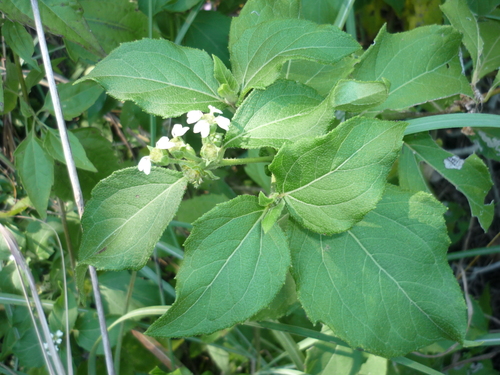
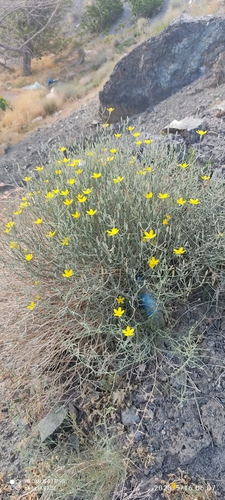
Cirsium eatonii
(Gray.)Robinson
Eaton's thistle
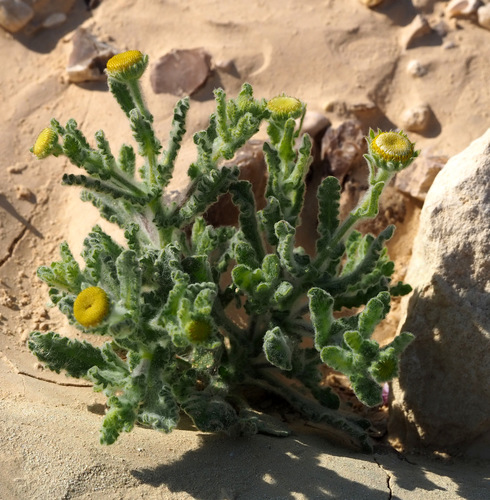
iNaturalist· cc-by-nc-nd
(c) Jason M Crockwell, some rights reserved (CC BY-NC-ND), uploaded by Jason M Crockwell
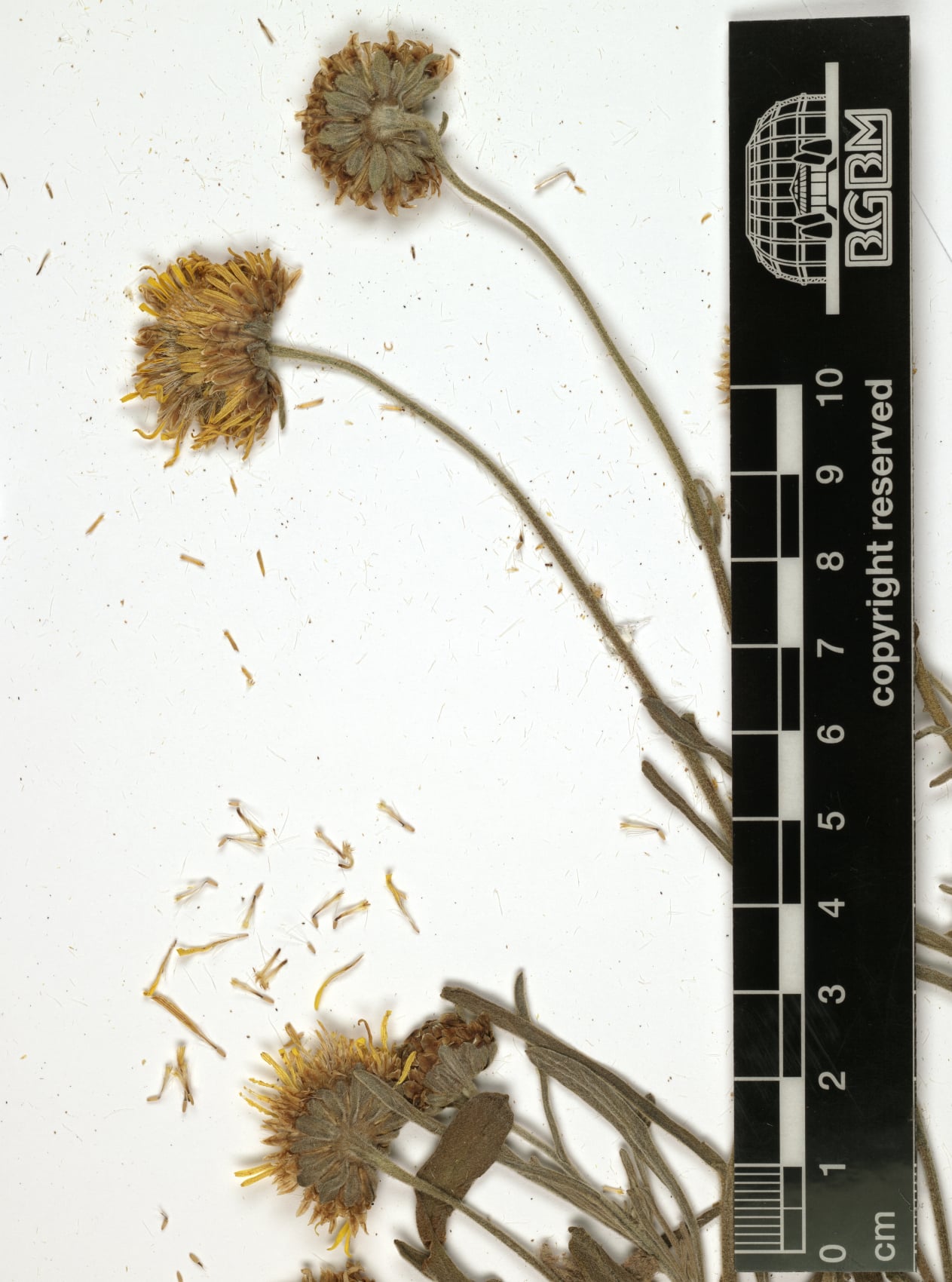
iNaturalist· cc-by-nc
(c) Ruthann, some rights reserved (CC BY-NC), uploaded by Ruthann
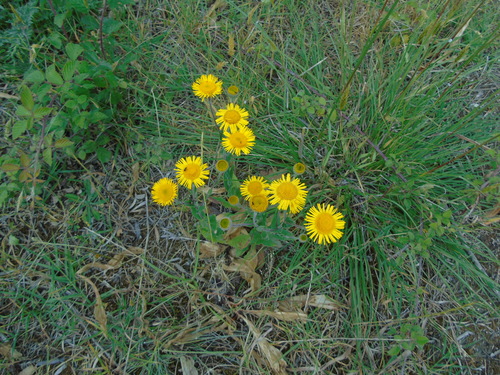
iNaturalist· cc-by-nc
(c) Jennifer Ackerfield, some rights reserved (CC BY-NC), uploaded by Jennifer Ackerfield
Description
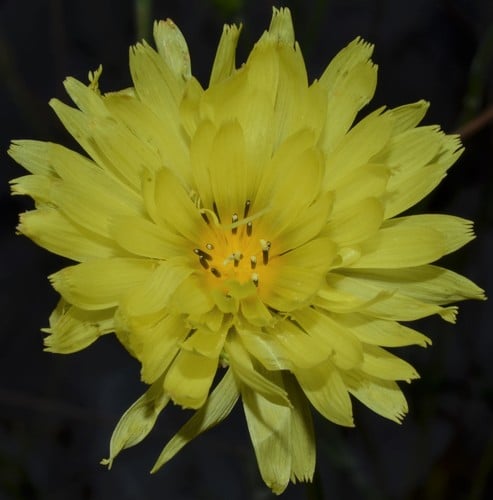
An erect thistle herb in the Asteraceae family, highly variable and growing up to 150 cm tall with entirely spiny foliage and pink, purple, or yellow flower heads. A North American species found at high elevations in grasslands and sagebrush steppes across Idaho, Montana, New Mexico, Wyoming, Nevada, Utah and Colorado.
Edible Uses
The root is edible cooked and is likely rich in inulin, a starch indigestible to humans that passes straight through the digestive system and may ferment in some people, causing flatulence. The stem is also edible, though no further details are given. Seed oil can be extracted by expression.
Medicinal Uses
The plant has been used topically to treat wounds, cuts, and sores.
Distribution
It is a temperate plant.
Where It Grows
North America, USA,
Propagation
Sow seed in early spring or autumn in situ. Germination usually occurs within 2–8 weeks at 20°C.
Other Uses
The seeds of all thistle species yield a useful oil by expression, though no details on potential yields are given.
Notes
There are about 150-250 Cirsium species. They grow in temperate regions.
Synonyms
References (2)
- Beckstrom-Sternberg, Stephen M., and James A. Duke. "The Foodplant Database." http://probe.nalusda.gov:8300/cgi-bin/browse/foodplantdb.(ACEDB version 4.0 - data version July 1994)
- Plants for a Future database, The Field, Penpol, Lostwithiel, Cornwall, PL22 0NG, UK. http://www.scs.leeds.ac.uk/pfaf/