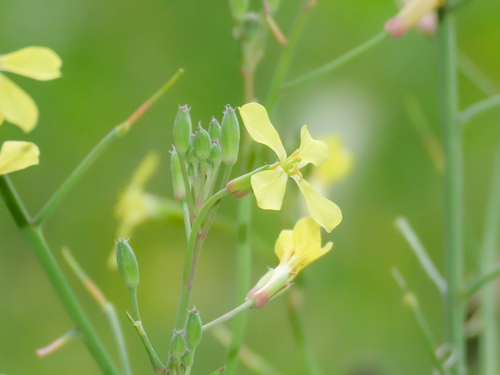
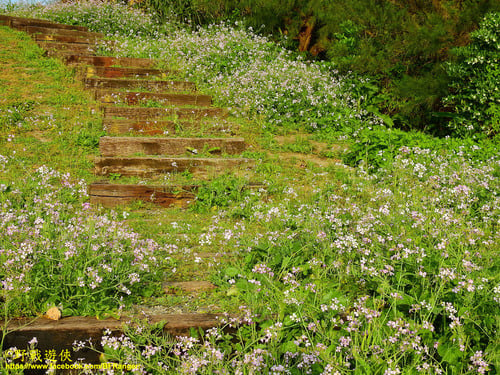
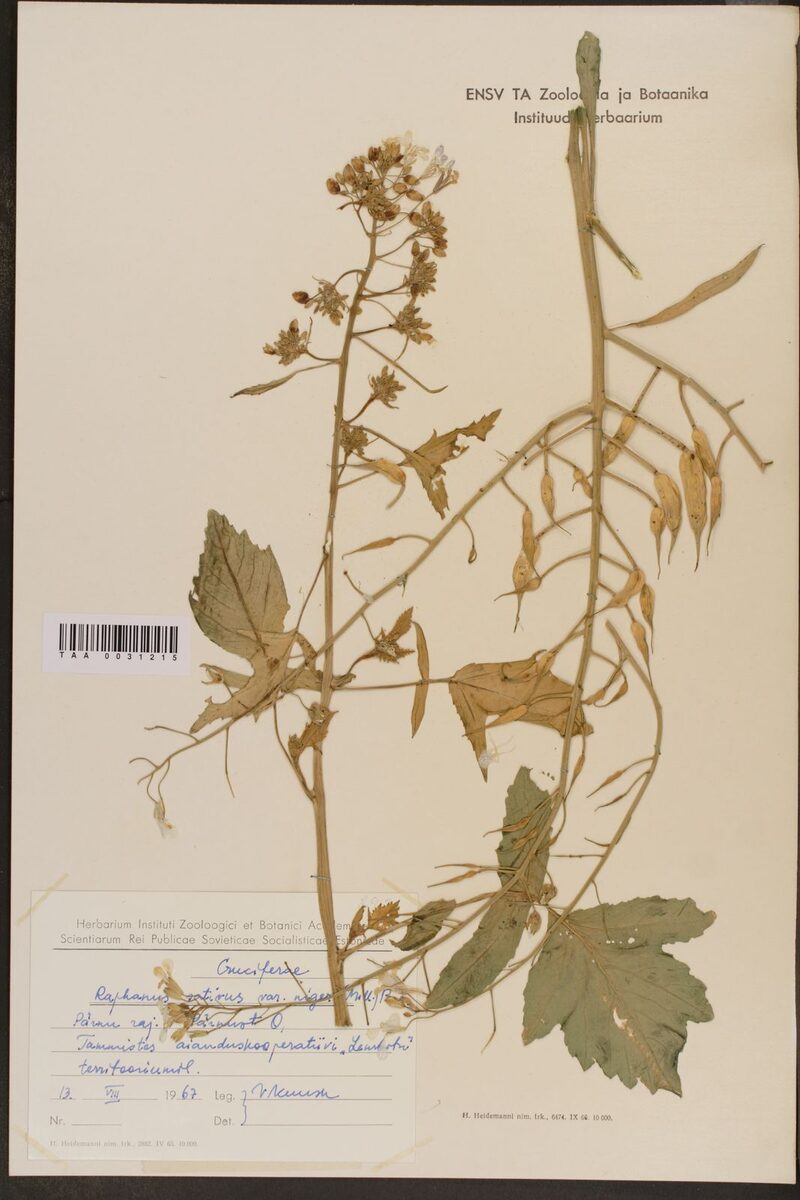
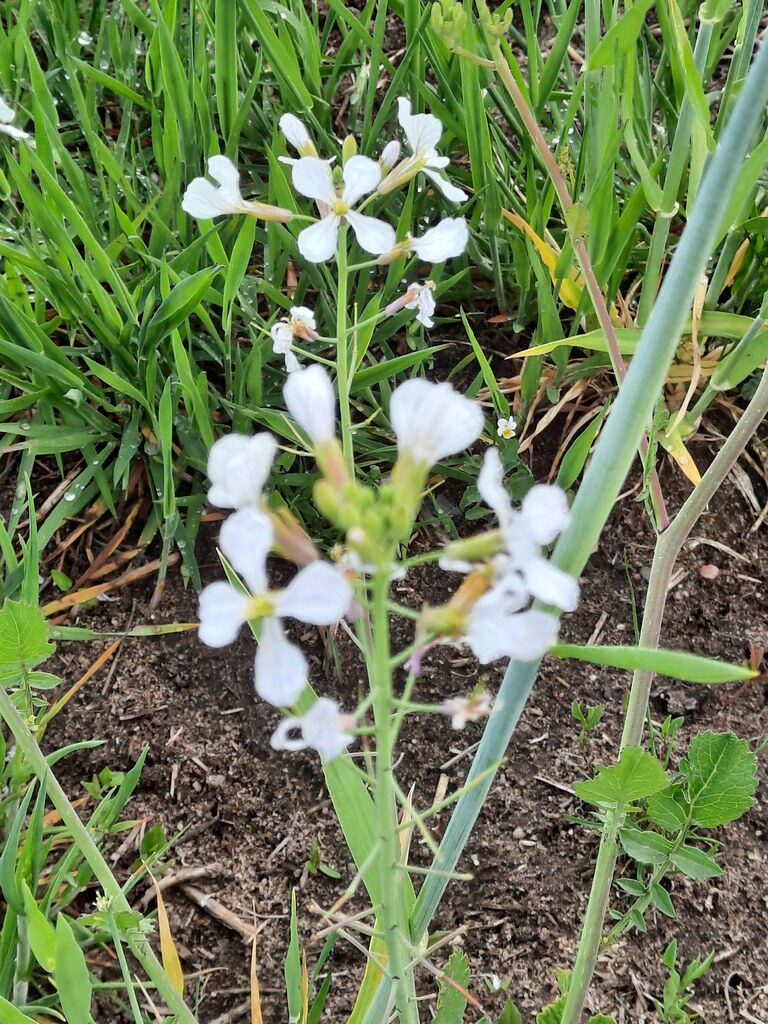
Brassica rapa pekinensis - (Lour.)Hanelt.
(Lour.)Hanelt.
Chinese Cabbage
gbif· cc-by-nc
j_tari
gbif· cc-by-nc
j_tari
gbif· cc-by-nc
j_tari
Description
Brassica rapa pekinensis is a ANNUAL growing to 0.5 m (1ft 8in). See above for USDA hardiness. It is hardy to UK zone 7 and is not frost tender. The species is hermaphrodite (has both male and female organs) and is pollinated by Bees. The plant is self-fertile. Suitable for: light (sandy), medium (loamy) and heavy (clay) soils and prefers well-drained soil. Suitable pH: mildly acid, neutral and basic (mildly alkaline) soils and can grow in very acid soils. It can grow in semi-shade (light woodland) or no shade. It prefers moist soil.
Edible Uses
Leaves - raw or cooked. A crisp, watery texture with a naturally sweet taste, it is best eaten raw in salads. The plant can be eaten as a young seedling, or left to grow into a mature plant. The flavour is quickly ruined by prolonged cooking. Leaves can also be dried for winter use. The heads of mature plants can be 50cm long and weigh up to 4.5 kg. Fresh leaves do not store well and are best used within a day or two of harvesting. A nutritional analysis is available. Flowering shoots - raw or cooked. Sweet and tender.
Medicinal Uses
Depurative. The leaves are depurative.
Distribution
A cultivar of garden origin.
Where It Grows
(Brassica rapa) Albania, Algeria, Bulgaria, Eritrea, Ethiopia, Greece, Iran, Iraq, Italy, Kriti, Lebanon-Syria, Libya, Morocco, North Caucasus, Oman, Palestine, Saudi Arabia, Transcaucasus, Tunisia, Turkey, Yugoslavia.
Cultivation
Succeeds in a well-drained fertile preferably alkaline soil. Succeeds in acid and alkaline soils. Prefers a pH in the range 6.5 to 7. Tolerates a pH in the range 4.3 to 6.8. Prefers a heavy soil and grows badly in sandy ones. Prefers full sun and a sheltered position. Likes some shade. Drought resistant according to one report, whilst another says that the plants are shallow-rooted and have very little resistance to drought. They require about 5 gallons of water from sowing to maturity. Plants are not fully winter hardy in Britain, though mature plants withstand light frosts to about -3°c. Plants prefer coolish weather during their growing season, a temperature range of 13 - 20°c is ideal. The Chinese cabbage is widely cultivated, especially in China and Japan, for its edible leaves. It looks like a large cos lettuce or cabbage and has a crisp, watery texture with a mustard-like taste. There are many named varieties. Those forms with loose heads were developed for areas with hotter summers, whilst compact-headed forms were developed for cooler areas. The loose-headed forms are less prone to bolt, are more resistant to cold and are more disease-resistant. An annual to biennial species, it is normally grown as an annual. Plants take from 55 - 100 days from sowing to maturity, depending on variety, the loose-headed forms are usually 2 - 3 weeks faster than compact-headed forms. Plants do not like root disturbance so should not be transplanted unless grown in individual pots. Plants are highly resistant to fungus attacks and the cabbage moth, they are also slow to bolt in hot weather. Some cultivars are more resistant to bolting when sown in spring than other forms. There is some evidence that interplanting this species with dill and garlic can lessen the attacks of caterpillars. A good bee plant.
Propagation
Seed - it can be sown from late May to September in situ. The spring sown crops often run to seed very quickly but 'barrel' types can be sown at this time. If seedlings are germinated at a temperature of 18 - 20°c and then grown on at this temperature for their first few weeks, they are then less likely to bolt. Seed usually germinates within 3 - 4 days. A late summer sowing under protection can provide leaves in the winter. Seedlings can be transplanted when about 3 - 4 weeks old.
Other Uses
Dynamic accumulator.