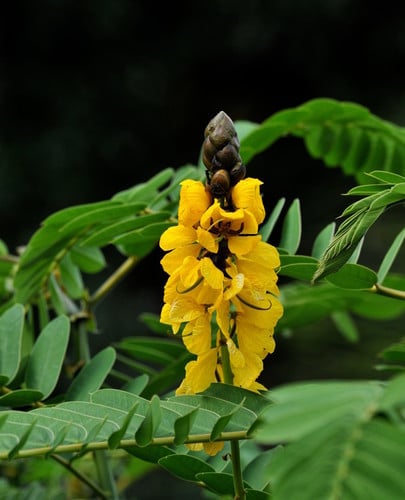
Amphicarpaea edgeworthii
Benth.
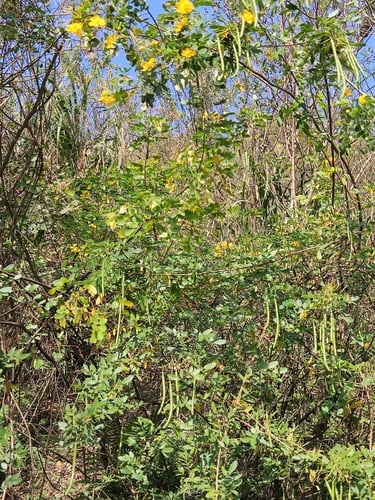
iNaturalist· cc-by-nc
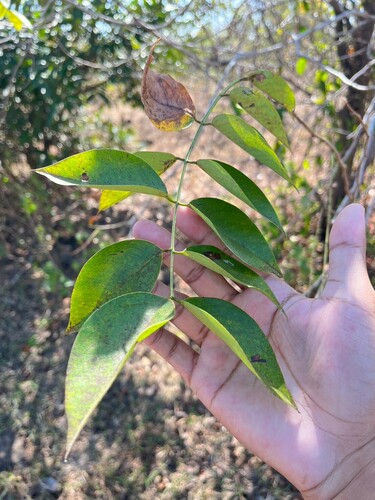
(c) taunagi, some rights reserved (CC BY-NC)
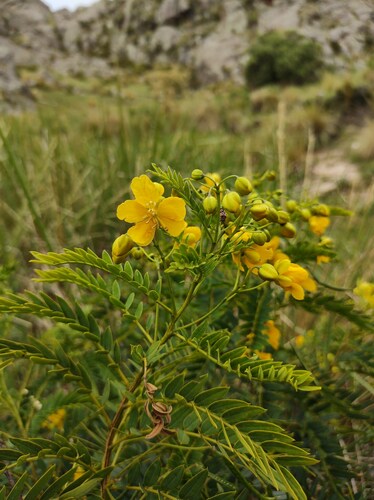
iNaturalist· cc-by-nc
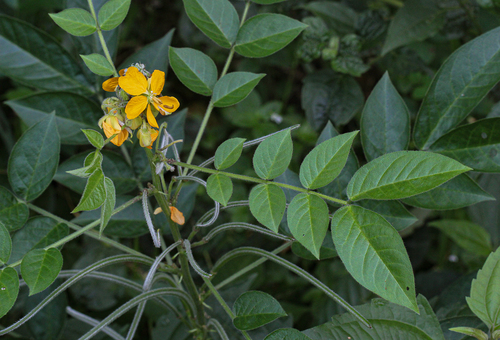
(c) jhigbie, some rights reserved (CC BY-NC)
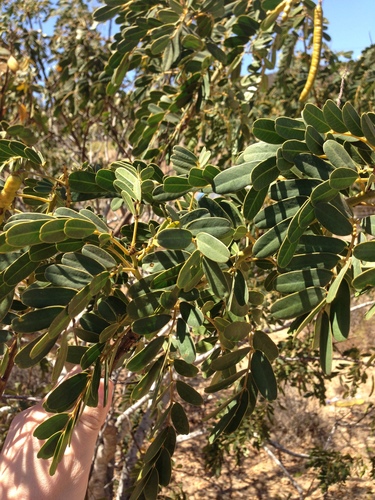
iNaturalist· cc-by-nc
(c) lee_meow, some rights reserved (CC BY-NC), uploaded by lee_meow
Description
Amphicarpaea edgeworthii is a PERENNIAL growing to 1.5 m (5ft). The species is hermaphrodite (has both male and female organs). It can fix Nitrogen. Suitable for: light (sandy), medium (loamy) and heavy (clay) soils. Suitable pH: mildly acid, neutral and basic (mildly alkaline) soils. It can grow in full shade (deep woodland) or semi-shade (light woodland). It prefers moist soil.
Edible Uses
Seed and seedpods - cooked. The seedpods are harvested when green and used for food.
Distribution
E. Asia - Japan, Himalayas
Where It Grows
TEMPERATE ASIA: China, Korea, Japan (Hokkaidô, Honshu, Kyushu, Shikoku), Taiwan TROPICAL ASIA: India (Sikkim, Himachal Pradesh, Jammu and Kashmir, Meghalaya, Nagaland, Punjab, Uttar Pradesh, West Bengal), Nepal, Vietnam
Cultivation
We have very little information on this species and do not know if it will be hardy in Britain, though judging by its native range it should succeed outdoors in many parts of the country. There is some confusion over the correct name for this species, we have followed the treatment given in 'Flora of Japan', but A. japonica is the name cited in 'Legumes of Northern Eurasia'. The following notes are based on the general needs of the genus. Requires a moist humus-rich soil in a shady position. This species has a symbiotic relationship with certain soil bacteria, these bacteria form nodules on the roots and fix atmospheric nitrogen. Some of this nitrogen is utilized by the growing plant but some can also be used by other plants growing nearby.
Propagation
Seed - pre-soak for 12 hours in warm water and then sow in spring in a semi-shaded position in a greenhouse. Germination usually takes place within a few weeks. When large enough to handle, prick the seedlings out into individual pots and grow them on in the greenhouse for their first winter, planting them out in late spring or early summer. Division. We have been unable to divide this plant because it only makes a small taproot. However, many of the seeds are produced under the ground and these can be harvested like tubers and potted up to make more plants.
Other Uses
Fodder. None known