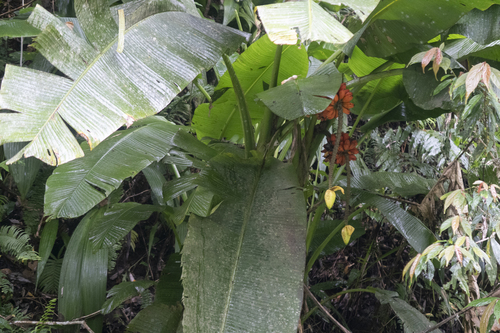
Ensete ventricosum cv. maurelii
(Welw.) Cheesman
Ethiopian black banana
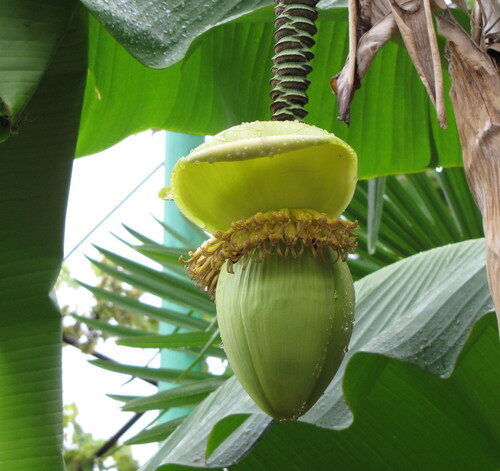
iNaturalist· cc-by-nc
(c) gnomicscience, some rights reserved (CC BY-NC)
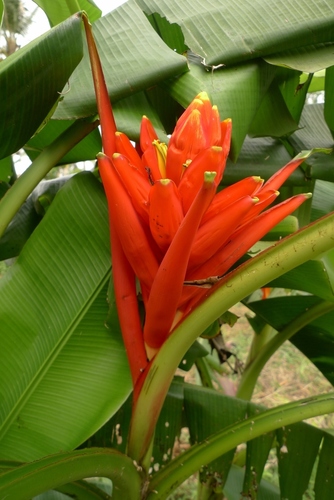
iNaturalist· cc-by-nc-sa
(c) Tony Rodd, some rights reserved (CC BY-NC-SA)
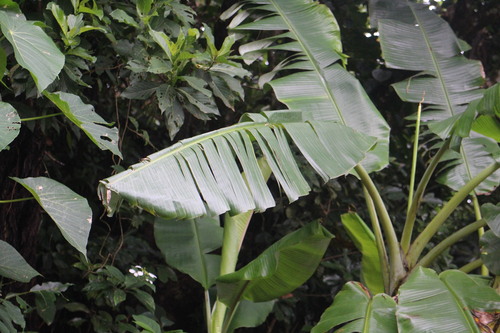
iNaturalist· cc-by-nc
(c) Ricardo Arredondo T., some rights reserved (CC BY-NC), uploaded by Ricardo Arredondo T.
Summary
Source: WikipediaEnsete ventricosum, commonly known as enset or ensete, Ethiopian banana, Abyssinian banana, pseudo-banana, false banana and wild banana, is a species of flowering plant in the banana family Musaceae. The only country where the domesticated form of the plant is cultivated is Ethiopia, where it provides the staple food for approximately 20 million people. The name Ensete ventricosum was first published in the Kew Bulletin 1947, p. 101. Its synonyms include Musa arnoldiana De Wild., Musa ventricosa Welw. and Musa ensete J. F. Gmelin. In its wild form, it is native to the eastern edge of the Great African Plateau, extending northwards from South Africa through Mozambique, Zimbabwe, Malawi, Kenya, Uganda and Tanzania to Ethiopia, and west to the Congo, being found in high-rainfall forests on mountains, and along forested ravines and streams.
Description
A tropical banana-type herb in the Musaceae family with inedible dry fruit.
This description is brief — help expand it
Edible Uses
The centre of the stem is eaten.
Traditional Uses
The centre of the stem is eaten.
This uses section is brief — help expand it
Distribution
A tropical plant.
Where It Grows
Africa, Ethiopia,
Notes
There are 10 Ensete species.