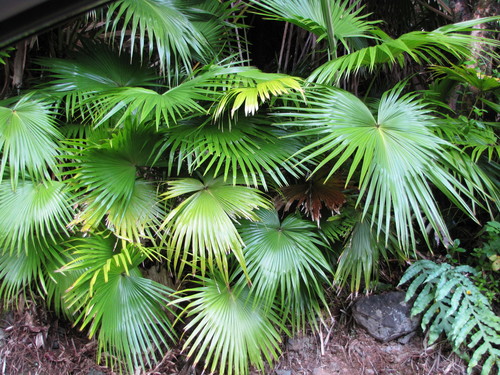
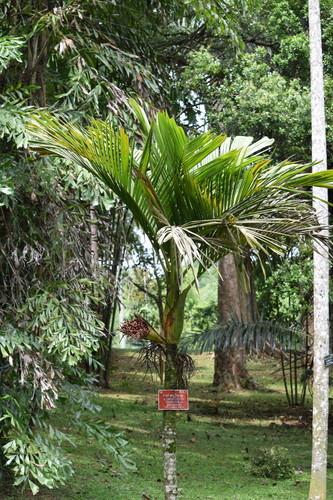
Dypsis pinnatifrons
Mart.
Dypsis palm
iNaturalist· cc-by-nc
(c) Guy Eric Onjalalaina, some rights reserved (CC BY-NC), uploaded by Guy Eric Onjalalaina
iNaturalist· cc-by
(c) Louis Aureglia, some rights reserved (CC BY)
Description
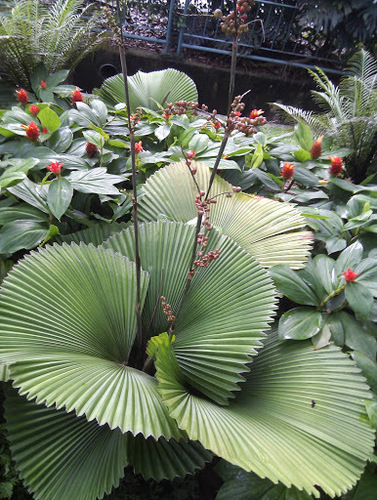
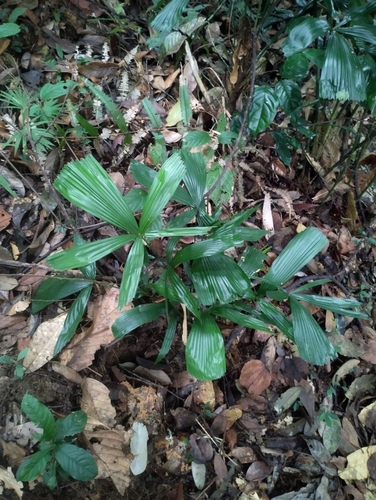
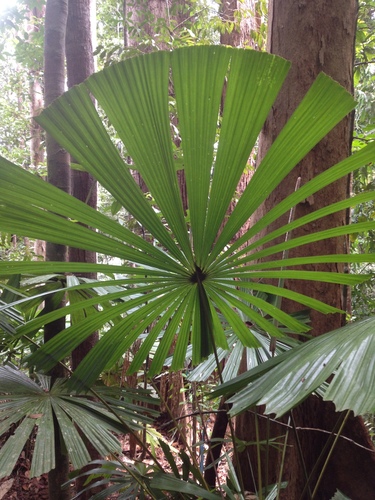
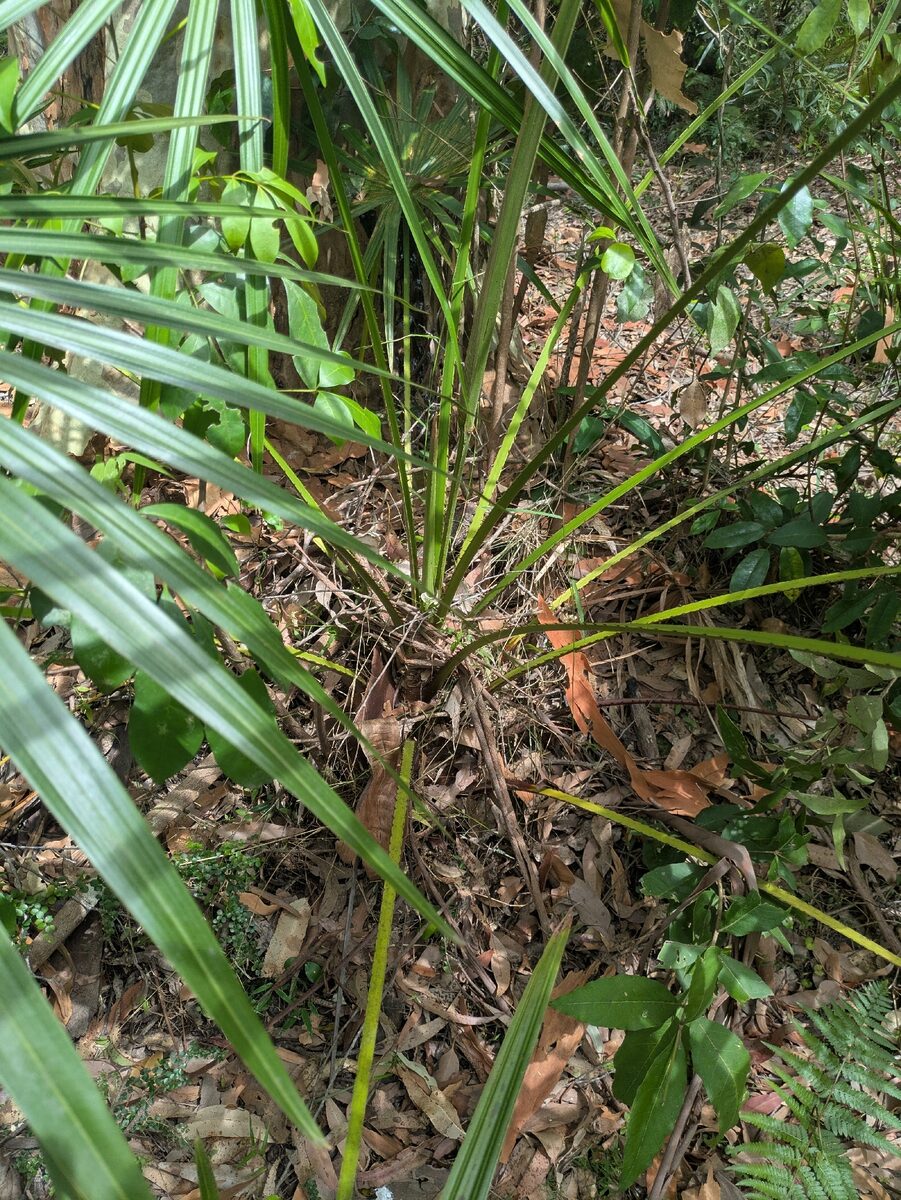
A tropical palm species of which 140 exist, cultivated in locations such as Cairns Botanical Gardens.
This description is brief — help expand it
Edible Uses
Leaves - cooked. The apical bud, known as a 'palm heart', is eaten as a vegetable. Eating this bud leads to the death of the plant because it is unable to make side-shoots.
Medicinal Uses
The plant (parts not specified but probably the bark and/or the fruits) is used in the treatment of headaches, jaundice and hepatitis; and also as an aid to lactation.
Distribution
A tropical plant. In Cairns Botanical Gardens.
Where It Grows
Africa, Australia, East Africa, Madagascar,
Cultivation
Prefers shade as a youngster, although it can take full sun as its gets older. Likes the standard moist, but well drained potting mix.
Notes
There are 140 Dypsis species.
Synonyms
Also Known As
Tavilo
References (5)
- Grubben, G. J. H. and Denton, O. A. (eds), 2004, Plant Resources of Tropical Africa 2. Vegetables. PROTA, Wageningen, Netherlands. p 561
- Hibbert, M., 2002, The Aussie Plant Finder 2002, Florilegium. p 90 (As Dypsis gracilis)
- Jardin, C., 1970, List of Foods Used In Africa, FAO Nutrition Information Document Series No 2.p 76 (As Dypsis gracilis)
- Martin, F.W. & Ruberte, R.M., 1979, Edible Leaves of the Tropics. Antillian College Press, Mayaguez, Puerto Rico. p 210 (As Dypsis gracilis)
- World Checklist of Useful Plant Species 2020. Royal Botanic Gardens, Kew