Distichlis palmeri
(Vasey) Fassett ex I. M. Johnst.
Palmer saltgrass
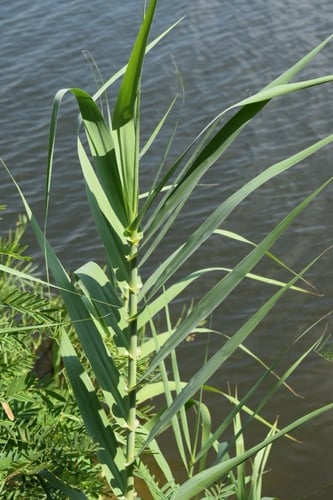
iNaturalist· cc-by-sa
(c) Emily Chebul, some rights reserved (CC BY-SA)
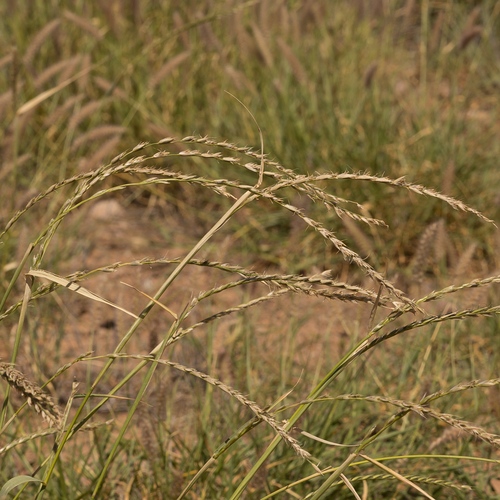
iNaturalist· cc-by-sa
(c) Emily Chebul, some rights reserved (CC BY-SA)
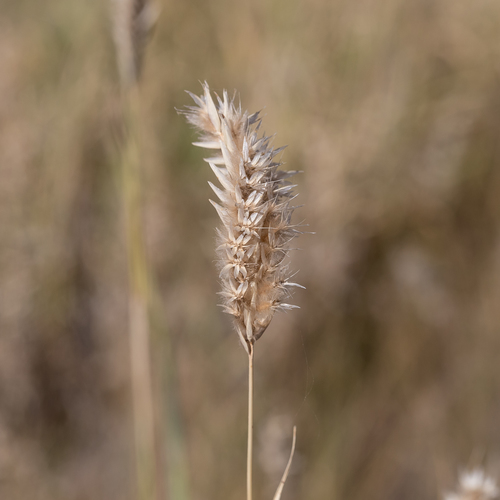
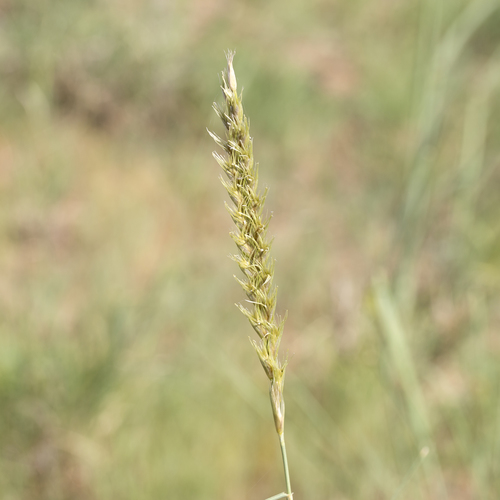
iNaturalist· cc-by-sa
(c) Emily Chebul, some rights reserved (CC BY-SA)
Summary
Source: WikipediaDistichlis palmeri is a species of perennial halophytic grass commonly known as nipa or Palmer saltgrass. It is a saltwater marsh grass endemic to the tidal marshes of the northern Gulf of California in Mexico.
Description
A fast-growing perennial reaching 0.4 m tall and spreading 0.2 m wide, hardy to UK zone 10. Tolerates light sandy, medium loamy, and heavy clay soils with neutral to basic pH, including very alkaline and saline soils. Grows in semi-shade or full sun, preferring moist or wet conditions while tolerating drought. Features a deep root system extending at least 1.5 m.
Edible Uses
The grains are a food crop, originally a major staple of the Cocopah people of the western United States. They are cooked as a cereal, roasted, or incorporated into muffins and stuffings. The grain is gluten-free with a pleasant nutty flavour and an amino acid balance more favourable than wheat. Work in Australia has shown it produces a higher yield of flour relative to grain than wheat, and its starch rapidly retrogrades, behaving as an emulsifier. The plant's deep root system reaches at least 1.5m and makes it well suited to saline discharge zones, where it can access saline water, dry out the soil profile and still yield a productive grain. The United Nations Environment Report (2006) described it as a strong candidate for a major global food crop. Some varieties have been the subject of US patents.
Traditional Uses
The grains are cooked as a cereal. They are roasted or used in muffins or stuffings.
This uses section is brief — help expand it
Medicinal Uses
None known.
Distribution
It is a temperate plant. It will grow in salty soils.
Where It Grows
Mexico, North America, USA,
Propagation
Seed.
Other Uses
Saltgrass is grazed by both cattle and horses and has a forage value rated as fair to good. It is particularly useful during drought periods as it remains green when most other grasses have dried out, and it tolerates heavy grazing and trampling.
Also Known As
Nyipa, Trigo gentil, Wild-wheat
References (6)
- Centofanti, T. & Banuelos, G., 2019, Practical uses of Halophytic Plants as Sources of Food and Fodder. CAB International. p 324
- Facciola, S., 1998, Cornucopia 2: a Source Book of Edible Plants. Kampong Publications, p 175
- Felger, R.S., Ancient Crops for the Twenty first century, in Rickie, G.A., (ed), 1979, New Agricultural Crops, AAAS Selected Symposium 38. Westview Press, Colarado. p 10
- Joshi, A., et al, 2018, Halophytes of Thar Desert: Potential source of nutrition and feedstuff. International Journal of Bioassays 8.1 (2018) pp. 5674-5683
- Kermath, B. M., et al, 2014, Food Plants in the Americas: A survey of the domesticated, cultivated and wild plants used for Human food in North, Central and South America and the Caribbean. On line draft. p 317
Show all 6 references Hide references
- Proc. Calif. Acad. Sci., ser. 4, 12:984. 1924