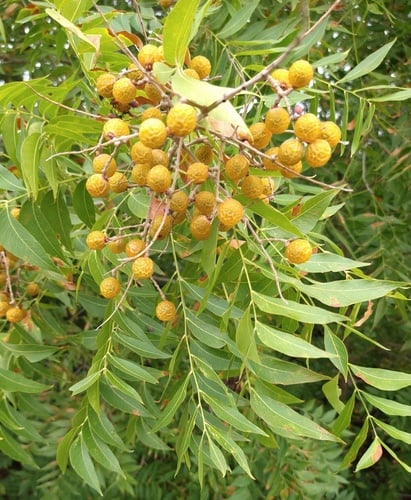
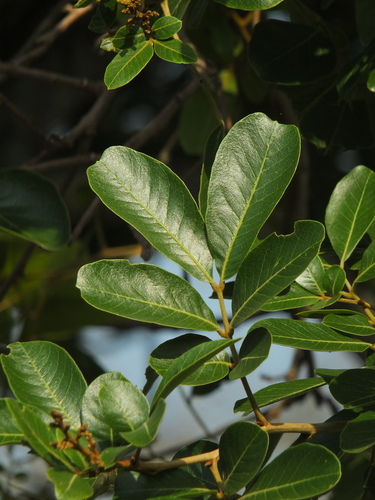
Diploglottis harpullioides
S.T. Reynolds
Babinda Tamarind, Harpullia tamarind
iNaturalist· cc-by-nc
(c) Russell Cumming, some rights reserved (CC BY-NC), uploaded by Russell Cumming
iNaturalist· cc-by-nc
(c) Evert Materman, some rights reserved (CC BY-NC)
Summary
Source: WikipediaDiploglottis harpullioides, commonly known as Babinda tamarind, is a rainforest tree in the lychee and maple family Sapindaceae which is found only in northeast Queensland, Australia.
Description
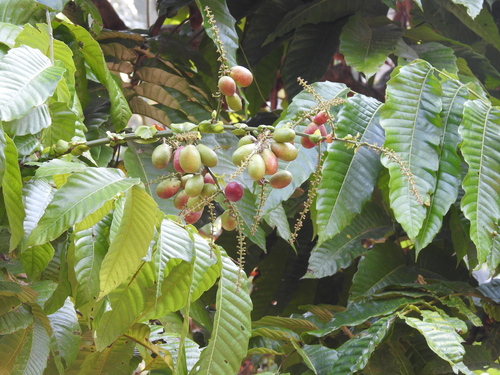
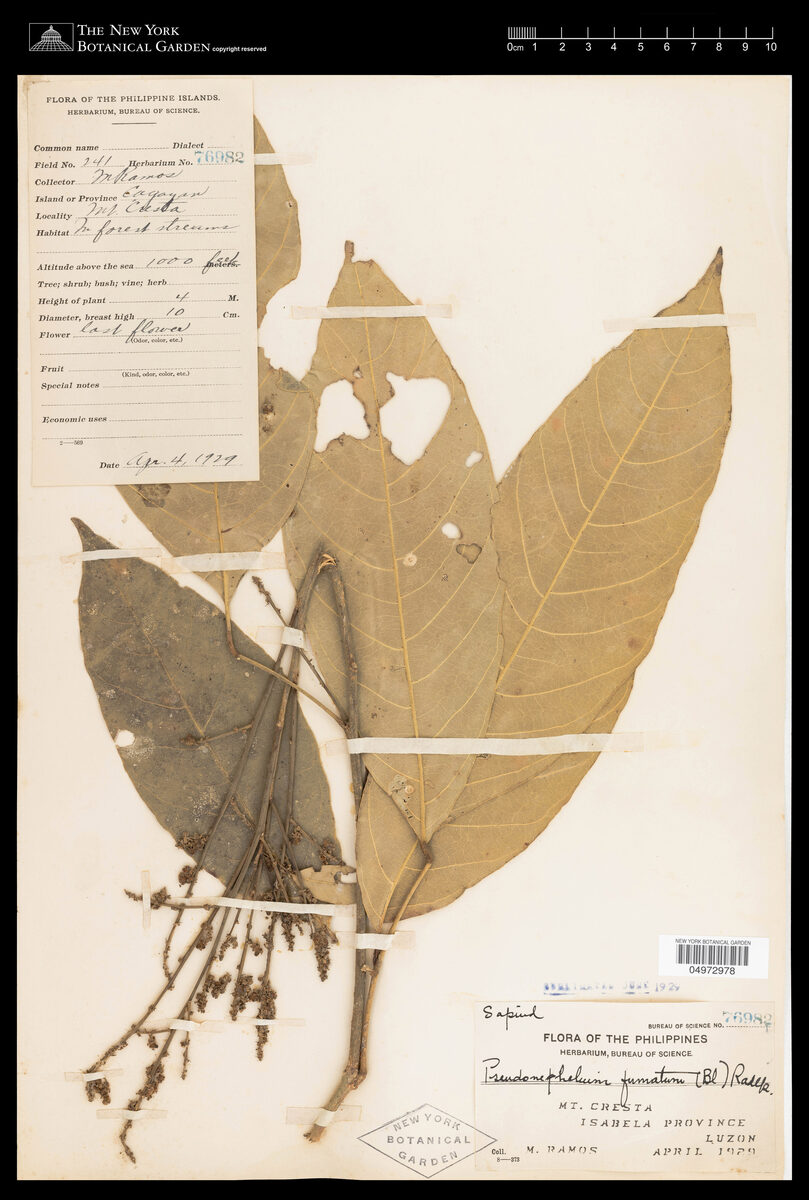
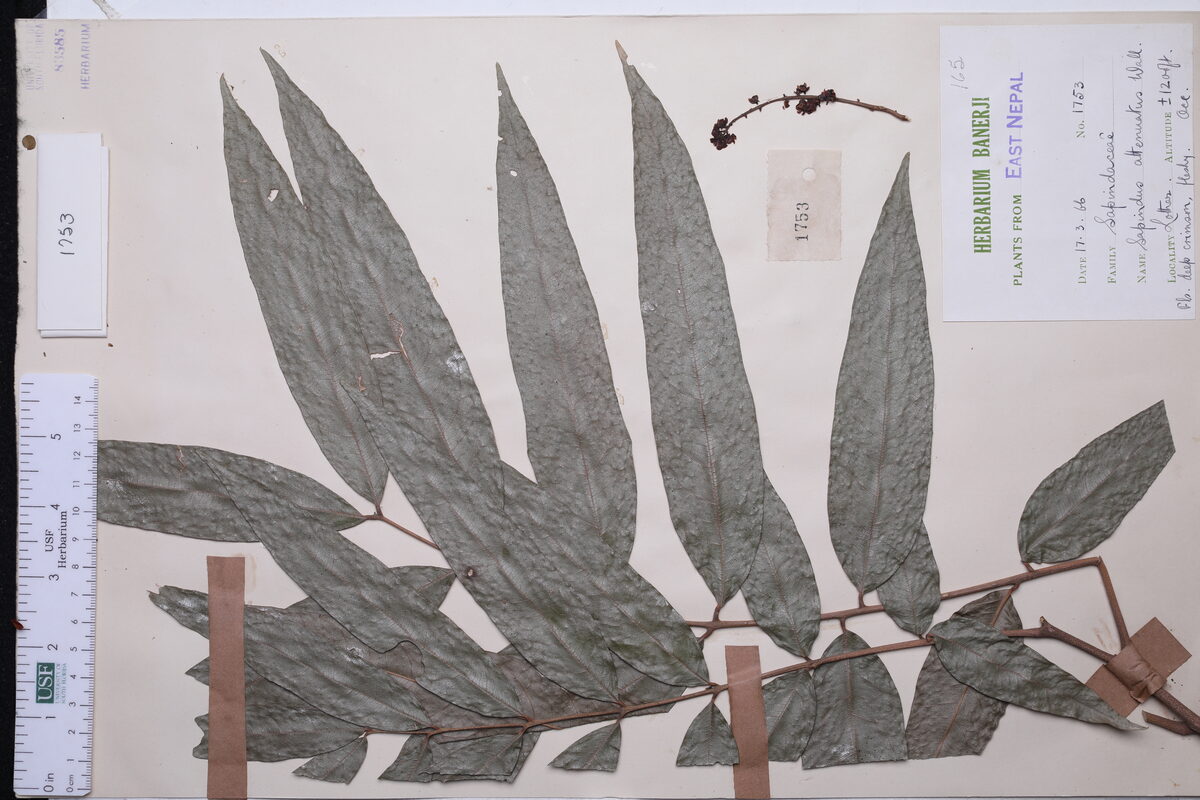
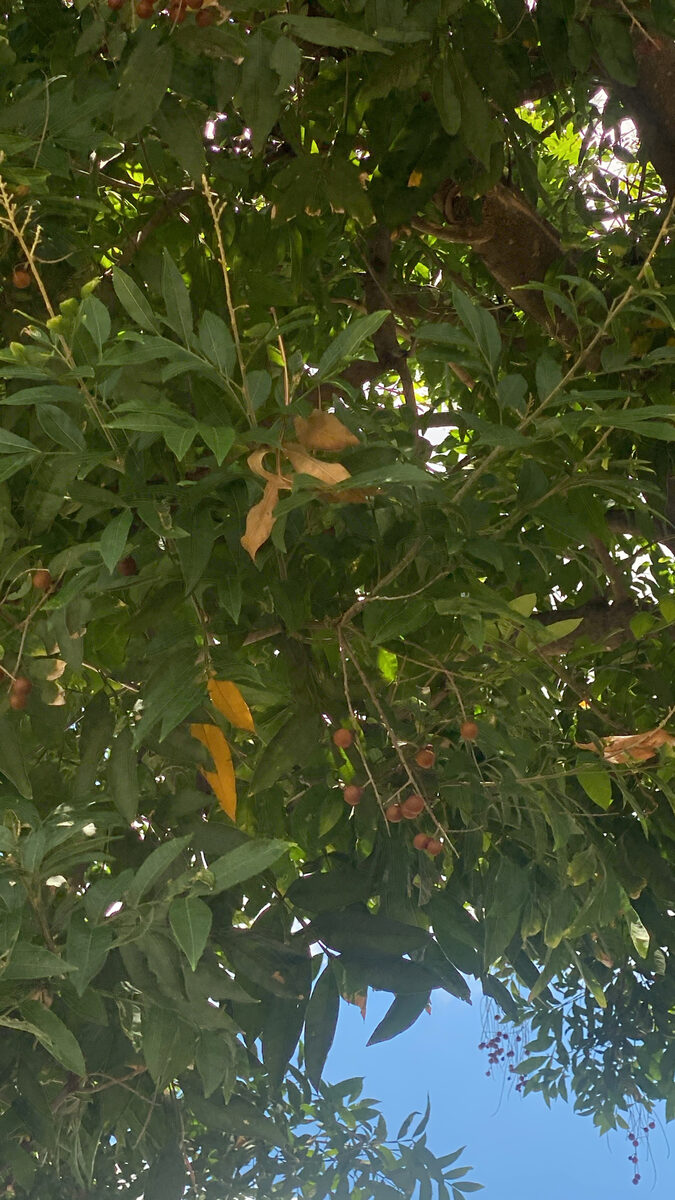
A tall shrub or small tree. It grows 3-8 m tall and spreads 1-3 m wide. Young shoots have lines along them. The leaves are 20-58 cm long. The leaves are compound with 4-8 leaflets. These are 8-30 cm long by 3.5-8 cm wide. The flower panicles are 1-2.5 cm long. They are in the axils of leaves. Flowers are about 0.5 cm across and hairy. The fruit is 3-6 cm long by 3.5-6.5 cm wide. They occur singly or in bunches either in the axils of leaves or on the trunk. The fruit have 1-3 lobes. The seed are enclosed in a fleshy red aril.
Edible Uses
The aril and fruit are eaten.
Distribution
A tropical plant. It grows naturally in rainforest in NE Queensland, Australia. It grows from sea level to 400 m altitude. It requires well drained moist soils. It needs some shade. Mt Cootha Botanical Gardens.
Where It Grows
Australia*,
Cultivation
Plants are grown from fresh seed.
Notes
There are 8 Diploglottis species.
References (5)
- Cooper W & Cooper W T, 1994, Fruits of the Rain Forest. RD Press p 96
- Cooper, W. and Cooper, W., 2004, Fruits of the Australian Tropical Rainforest. Nokomis Editions, Victoria, Australia. p 487
- Elliot, W.R., & Jones, D.L., 1984, Encyclopedia of Australian Plants suitable for cultivation. Vol 3. Lothian. p 291
- Jones, D. L., 1986, Ornamental Rainforest Plants in Australia, Reed Books, p 125
- Townsend, K., 1994, Across the Top. Gardening with Australian Plants in the tropics. Society for Growing Australian Plants, Townsville Branch Inc. p 164