Diospyros humilis
(R. Br.) F. Muell.
Black ebony, Australian ebony, Queensland ebony
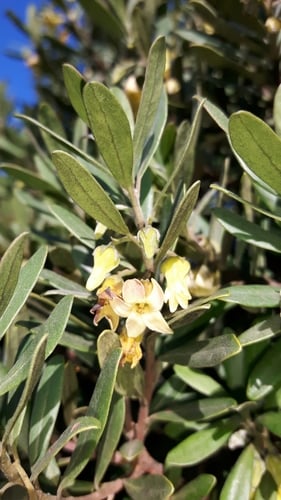
iNaturalist· cc-by-nc
(c) Bruce McLennan, some rights reserved (CC BY-NC), uploaded by Bruce McLennan
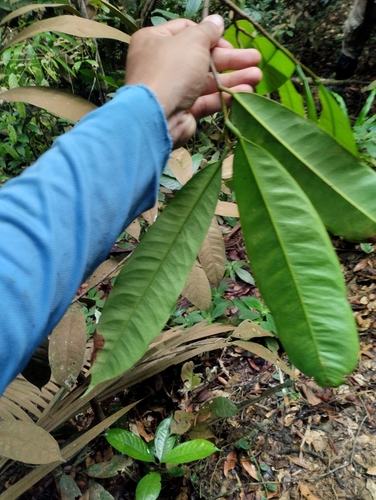
iNaturalist· cc-by-nc
(c) Russell Cumming, some rights reserved (CC BY-NC), uploaded by Russell Cumming
iNaturalist· cc-by-nc
(c) Russell Cumming, some rights reserved (CC BY-NC), uploaded by Russell Cumming
Summary
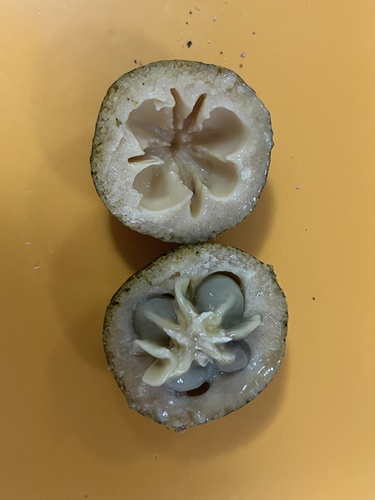
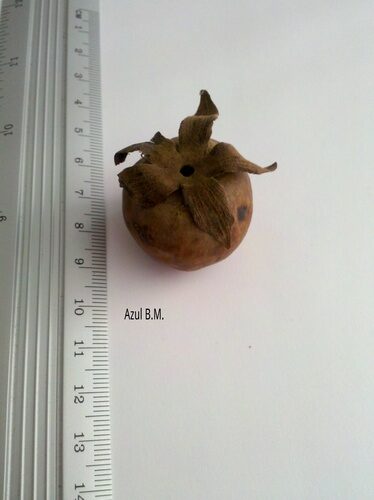
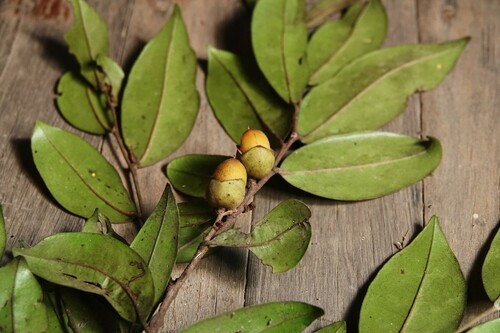
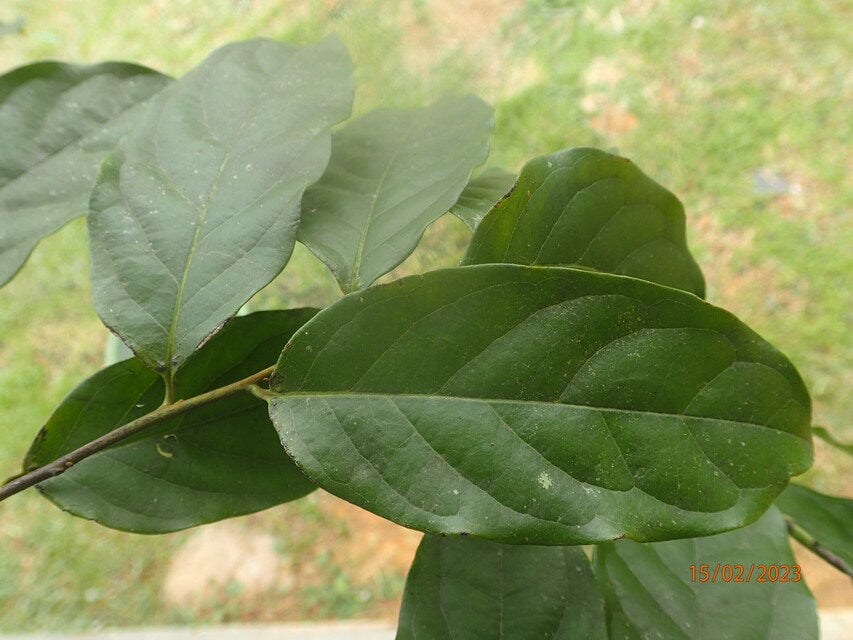
Source: WikipediaDiospyros humilis, commonly named Queensland ebony, is a small eastern Australian tree found throughout Queensland and extending into Northern New South Wales and the Northern Territory. The plant is most commonly found in coastal and semi-arid zones in vine scrubs, brigalow woodlands and other locales with infrequent fire. The plant grows as a small tree or shrub, with stiff, glossy, discolorous leaves. Foliage is held in distinctive trusses and shrubs developing tree form, can be distinctly pyramidal in profile. Fruit are oval and bright yellow and orange-red when ripe with a single seed. The timber is prized for woodturning and fine cabinet work.
Description
A small tree. It has a spreading crown forming a shady tree. It grows 8 m high. The bark is rough and dark. The leaves are alternate and shiny green above and duller underneath. They are 1-3 cm long by 0.5-2.5 cm wide. Male and female flowers occur on separate plants. Male flowers are in clusters of 3-5. Female flowers usually occur singly. The petals are silky, hairy and 5 mm long. The fruit are berries 11 mm long by 9 mm wide. The fruit is oval and yellow to orange. There is a calyx cup at the base.
Edible Uses
The ripe fruit is eaten raw.
Traditional Uses
The ripe fruit is eaten raw.
This uses section is brief — help expand it
Distribution
It is a tropical plant. It grows naturally in monsoon vine forests. It grows in wetter areas of sandy forests. In tropical Queensland it grows between sea level and 900 m altitude.
Where It Grows
Australia*, Papua New Guinea, PNG,
Cultivation
Plants can be grown from seed.
Notes
There are about 485 species of Diospyros mostly in the tropics.
Synonyms
Also Known As
Birimbiri, Brembre, Small-leafed ebony, Yilikerra
References (12)
- Anon., 2003, Native Plants for the Fitzroy basin. Society for Growing Australian Plants Inc. (Rockhampton Branch) p 46
- Cooper, W. and Cooper, W., 2004, Fruits of the Australian Tropical Rainforest. Nokomis Editions, Victoria, Australia. p 155
- Lazarides, M. & Hince, B., 1993, Handbook of Economic Plants of Australia, CSIRO. p 82
- Levitt, D., 1981, Plants and people. Aboriginal uses of plants on Groote Eylandt. Australian Institute of Aboriginal Studies, Canberra. p 93
- Melzer, R. & Plumb, J., 2011, Plants of Capricornia. Belgamba, Rockhampton. p 105
Show all 12 references Hide references
- Milson. J., 2000, Trees and Shrubs of north-west Queensland. DPI p 62
- Paczkowska, G. & Chapman, A.R., 2000, The Western Australian Flora. A Descriptive Catalogue. Western Australian Herbarium. p 231
- Pearson, S. & A., 1992, Rainforest Plants of Eastern Australia. Kangaroo Press p 89
- Smith, M & Kalotas, A. C., 1985, Bardi Plants: An Annotated List of Plants and Their Use by the Bardi Aborigines of Dampierland, in North-western Australia. Rec. West Aust. Mus. 1985, 12(3): 317-359 (As Diospyros ferrea var. humilis)
- Wightman, Glenn et al. 1991.Alawa Ethnobotany: Aboriginal Plant Use from Minyerri, Northern Australia. Northern Territory Botanical Bulletin No 11. Parks and Wildlife Commission of the Northern Territory. p 11
- Wightman, Glenn et al. 1992, Mangarrayi Ethnobotany: Aboriginal Plant Use from the Elsey Area Northern Australia. Northern Territory Botanical Bulletin No 15. Parks and Wildlife Commission of the Northern Territory. p 18
- Yunupinu Banjgul, Laklak Yunupinu-Marika, et al. 1995, Rirratjinu Ethnobotany: Aboriginal Plant Use from Yirrkala, Arnhem Land, Australia. Northern Territory Botanical Bulletin No 21. Parks and Wildlife Commission of the Northern Territory. p 35