Dioscorea baya
De Wild.
gbif· cc-by-nc-sa
MBG
gbif· cc-by-nc
GBIF
gbif· cc-by
Meise Botanic Garden
Description
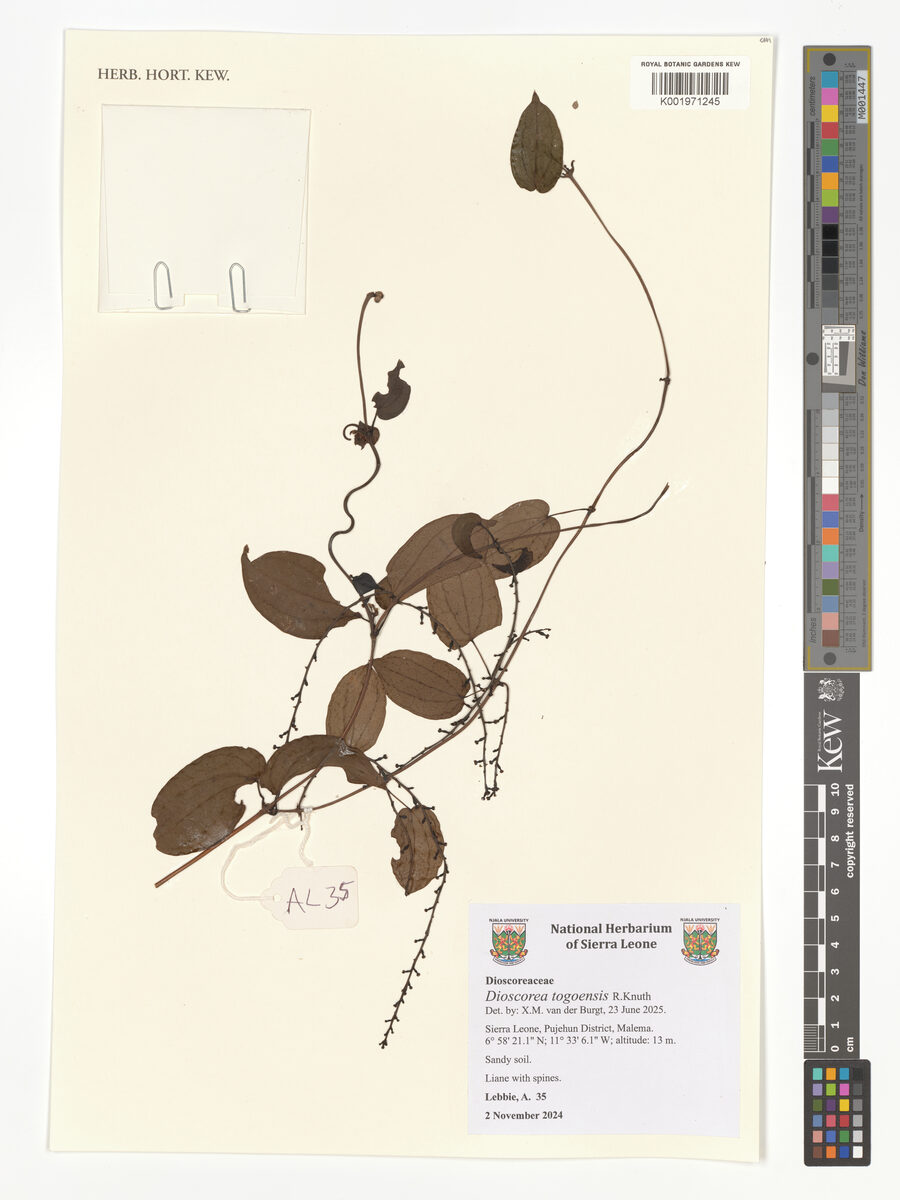
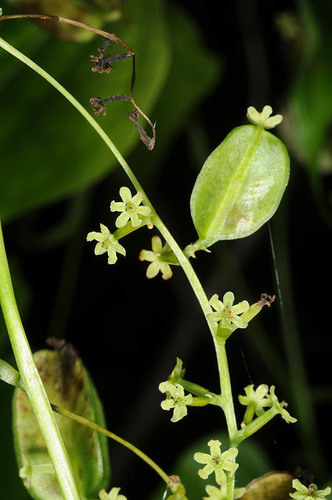
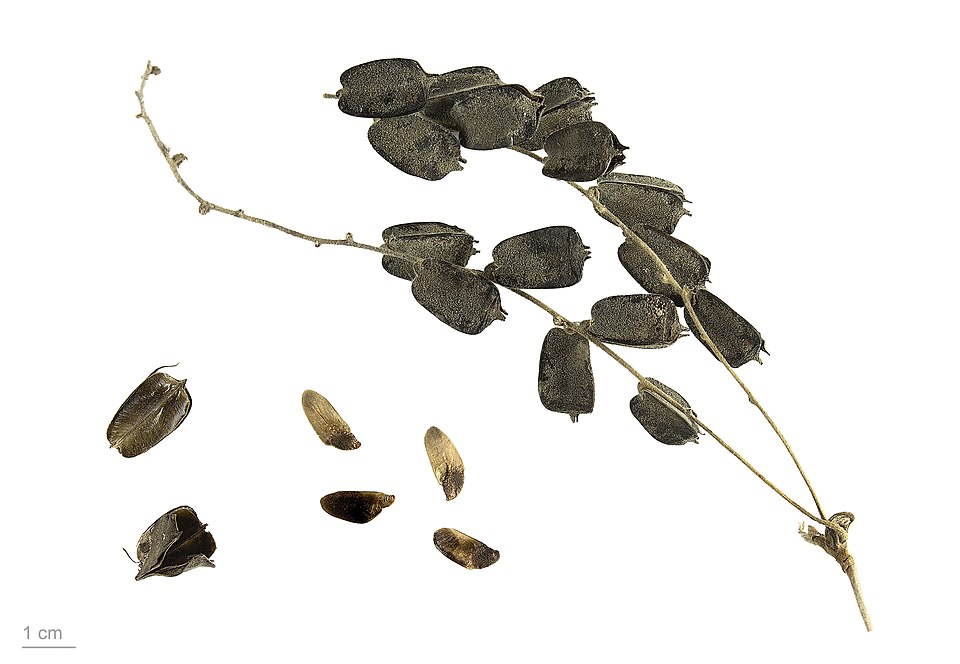
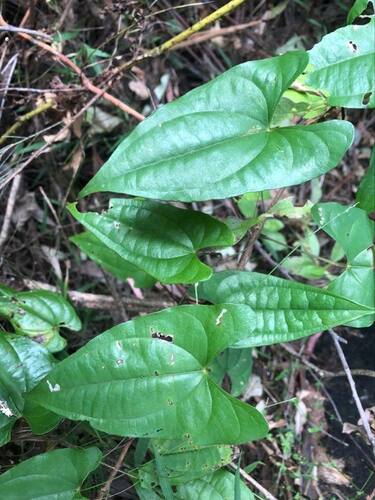
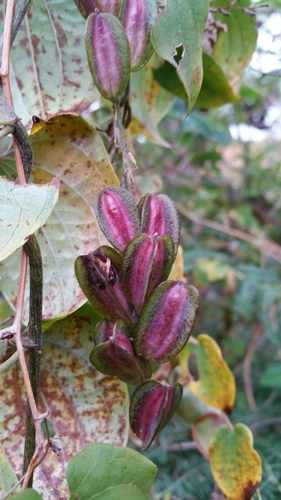
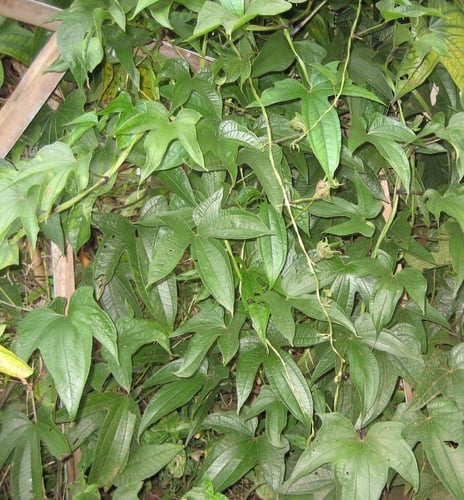
A yam. The tubers are large and have a woody covering over them. The stems twine to the right. They have curved prickles near the base. These can be 1 cm long. The stems do not have bulbils. The leaves are usually opposite. The leaf blade is entire. They taper to the tip that is 1 cm long. There are 2 varieties both of which have edible tubers.
Edible Uses
The tubers are cooked and eaten as a starchy staple.
Traditional Uses
The tubers are cooked and eaten as a starchy staple.
This uses section is brief — help expand it
Distribution
A tropical plant. In Congo it grows at about 500 m altitude. It grows in open areas in forest. It can grow in swampy areas.
Where It Grows
Africa, Angola, Burundi, Cameroon, Central Africa, Central African Republic, CAR, Congo DR, Congo R, Côte d'Ivoire, East Africa, Gabon, Ivory Coast, Liberia, Uganda, West Africa, Zambia,
Notes
There are about 650 species of Dioscorea.
Also Known As
Ikuse, Mpundi, Tumba
References (8)
- Ichikawa, M., Determinismes Ecologiques et Culturels Des Choix Alimentaires de chasseurs-cueilleurs Mbuti du Zaire. p 759 in L'Alimentation en Foret Tropicale UNESCO
- Jardin, C., 1970, List of Foods Used In Africa, FAO Nutrition Information Document Series No 2.p 13
- Latham, P., 2004, Useful Plants of Bas-Congo province. Salvation Army & DFID p 110
- Nkeoua, G. & Boundzanga, G. C., 1999, Donnees sur les produits forestieres non ligneux en Republique du Congo. FAO. p 24
- Tanno, T., 1981, Plant Utilization of the Mbuti Pygmies: With Special reference to their Material Culture and Use of Wild Vegetable Foods. Kyoto University Research. African Study Monographs 1:1-54
Show all 8 references Hide references
- Termote, C., et al, 2011, Eating from the wild: Turumbu, Mbole and Bali traditional knowledge of non-cultivated edible plants, District Tshopo, DRCongo, Gen Resourc Crop Evol. 58:585-618
- Wilkin, P., 2001, Dioscoreaceae of South-Central Africa. Kew Bulletin, Vol. 56, No. 2 (2001), pp 361-404
- World Checklist of Useful Plant Species 2020. Royal Botanic Gardens, Kew