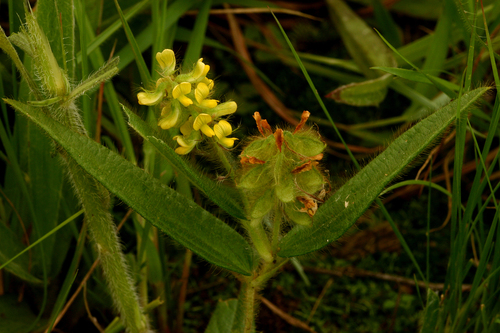
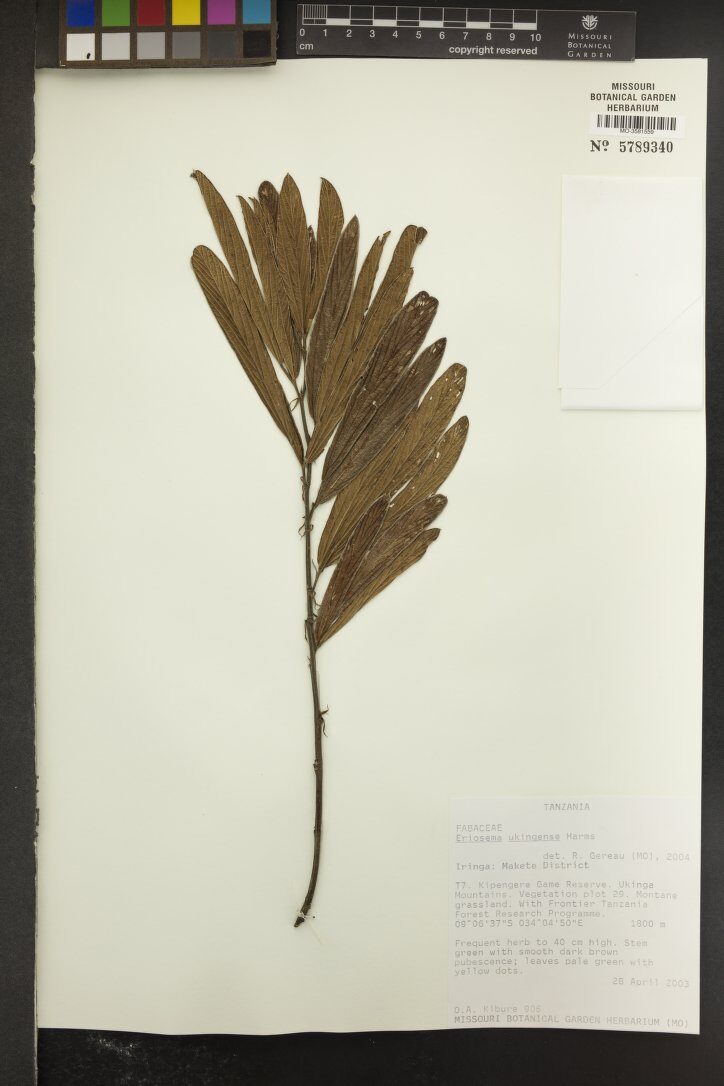
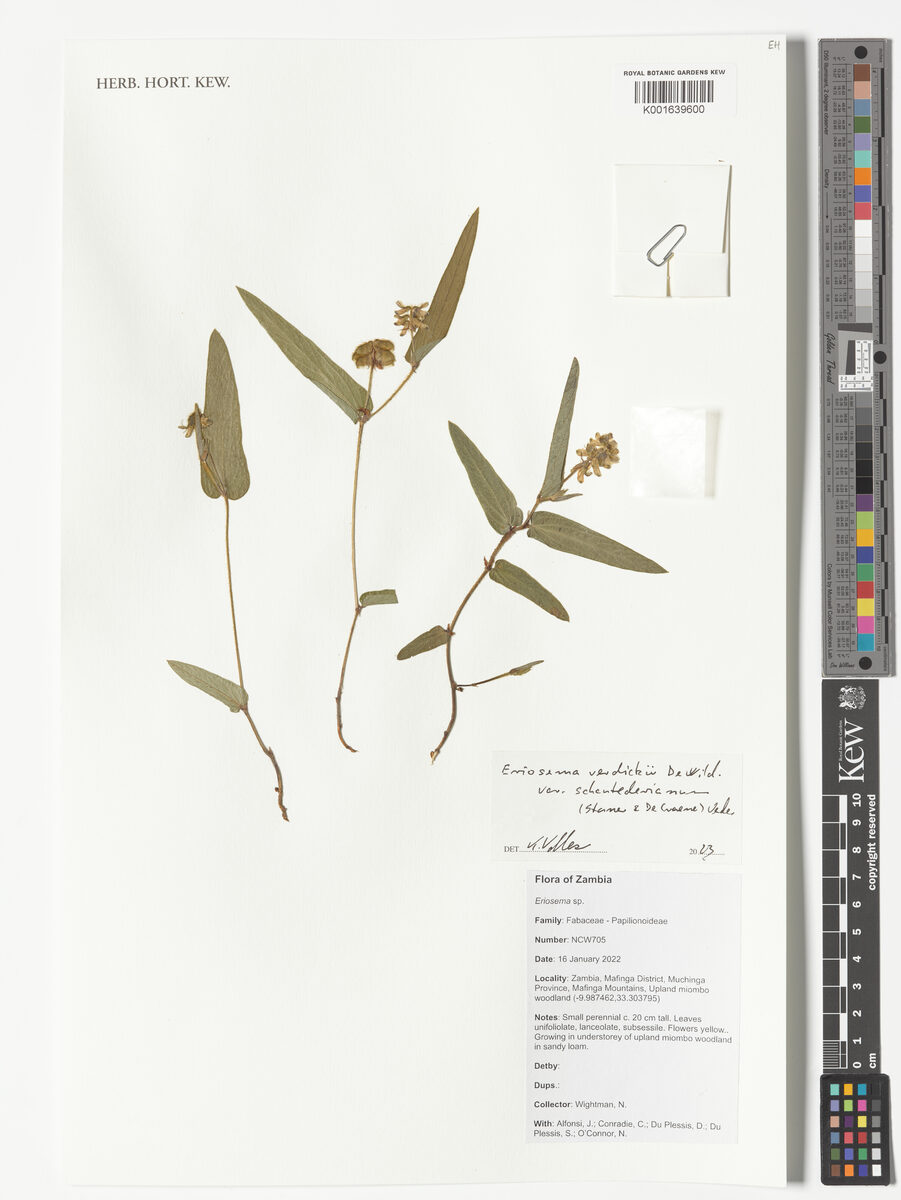
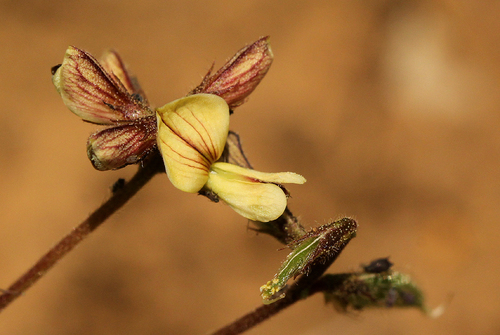
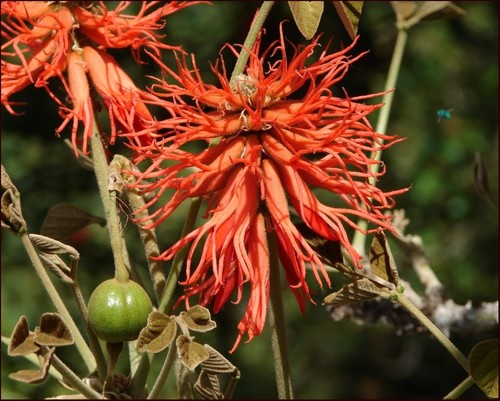
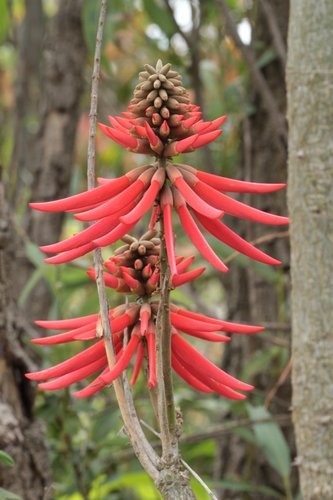
Dewevrea bilabiata
M. Micheli
gbif· cc-by
Meise Botanic Garden
gbif· cc0
Royal Botanic Garden Edinburgh
Description
A tropical shrub or woody creeper in the legume family, occurring in warm regions.
This description is brief — help expand it
Edible Uses
Young leaves are cooked as a leafy vegetable and used as a flavouring.
Traditional Uses
The young leaves are cooked as a leafy vegetable and flavouring.
This uses section is brief — help expand it
Known Hazards
The plant is used as a fish poison.
Distribution
A tropical plant.
Where It Grows
Africa, Cameroon, Central Africa, Central African Republic, CAR, Congo DR,
Cultivation
Requires a sunny position. Plants are very rarely seen in fruit, though they flower all year round. The flowers are very fragrant.
Other Uses
The plant is used as an insecticide.
Also Known As
Kata, Lofembembo, Okoyo
References (6)
- http://aflora.africa.kyoto-u.ac.jp
- ILDIS Legumes of the World http:www:ildis.org/Legume/Web
- Jardin, C., 1970, List of Foods Used In Africa, FAO Nutrition Information Document Series No 2.p 74
- Liengola, I. B., 2001, A contribution to the study of native edible plants by the Turumbu and Lokele of the Tshopo District, Province Orientale, D. R. Congo. Syst. Geogr. Pl. 71:687-698
- Martin, F.W. & Ruberte, R.M., 1979, Edible Leaves of the Tropics. Antillian College Press, Mayaguez, Puerto Rico. p 199
Show all 6 references Hide references
- Termote, C., et al, 2011, Eating from the wild: Turumbu, Mbole and Bali traditional knowledge of non-cultivated edible plants, District Tshopo, DRCongo, Gen Resourc Crop Evol. 58:585-618