Cyperus fendlerianus
Boeckl.
Fendler's flatsedge
iNaturalist· cc-by-nc
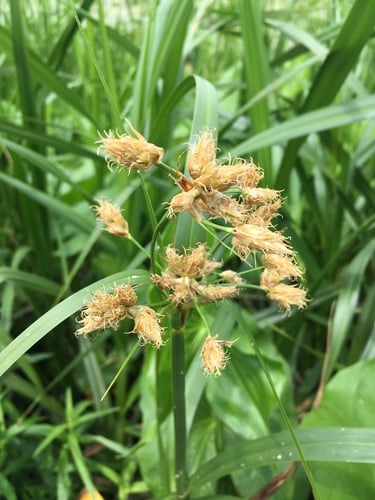
(c) Steve Jones, some rights reserved (CC BY-NC), uploaded by Steve Jones
iNaturalist· cc-by-nc
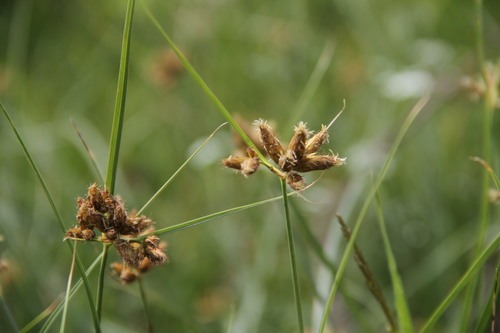
(c) Alec McKeand, some rights reserved (CC BY-NC), uploaded by Alec McKeand
iNaturalist· cc-by
(c) Sue Carnahan, some rights reserved (CC BY)
Summary
Source: WikipediaCyperus fendlerianus is a species of sedge that is endemic to the southern parts of North America. The species was first formally described by the botanist Johann Otto Boeckeler in 1868.
Description
A fast-growing perennial sedge reaching 0.7 m tall, hardy to UK zone 6, with seeds ripening August to September. Hermaphroditic, wind-pollinated flowers develop as the plant matures. Grows in light sandy or medium loamy soils with mildly acid to basic pH. Requires full sun and prefers moist or wet soil.
Edible Uses
The tubers are edible raw or cooked and are usually peeled before eating. They are starchy with a mild, potato-like flavour; roasting improves the aroma while boiling softens the texture. Nutritional value is moderate — worthwhile when the plant is abundant but rarely cultivated for food. Tuber reserves are highest from late summer into autumn. Dig carefully to avoid breaking the small tubers, wash them well, and cook promptly, especially when harvested from wet soils. Native Americans gathered these roots, demonstrating their dependable food value. No cultivated forms exist. The plant may resemble other nut sedge species, so confirm root structure before harvesting.
Medicinal Uses
None known.
Distribution
It is a temperate plant.
Where It Grows
Mexico, North America, USA,
Cultivation
A respectable but underappreciated edible sedge. Growing Conditions: Prefers moist meadows and seasonal wetlands. Habitat & Range: Western United States, especially interior regions. Size & Landscape Performance: Forms modest colonies without overwhelming plantings. Cultivation (Horticulture): Rare outside restoration projects. Pests & Problems: Generally trouble-free. Identification & Habit: Grass-like with triangular stems and clustered spikelets. Pollinators: Wind-pollinated; seeds attract birds. Plant Name: Fendler’s Flatsedge. Family: Cyperaceae. Genus: Cyperus. Common Names: Fendler’s nutgrass. USDA Hardiness Zones: Approximately 5–9. Height/Spread: 20–70 cm tall.
Propagation
Surface sow seed in spring, keeping the compost moist; germination typically occurs in 2–6 weeks at 18°C. Prick seedlings into individual pots once large enough to handle, overwinter them in a greenhouse, and plant out in late spring after the last expected frosts. Division can be done in spring or autumn — essentially a matter of harvesting tubers and replanting them. Tubers lifted in autumn are best stored in a cool, frost-free place over winter and planted out the following spring.
Other Uses
The leaves are used for weaving hats, matting, and similar items. The plant also supports wetland biodiversity and is used in restoration projects.
Notes
There are 550 Cyperus species.
Synonyms
Also Known As
Fendler’s nutgrass. Homotypic Synonyms: Chlorocyperus fendlerianus (Boeckeler) Palla. Mariscus fendlerianus (Boeckeler) T.Koyama.
References (2)
- Linnaea 35:520. 1868
- Plants for a Future database, The Field, Penpol, Lostwithiel, Cornwall, PL22 0NG, UK. http://www.scs.leeds.ac.uk/pfaf/
More from Cyperaceae
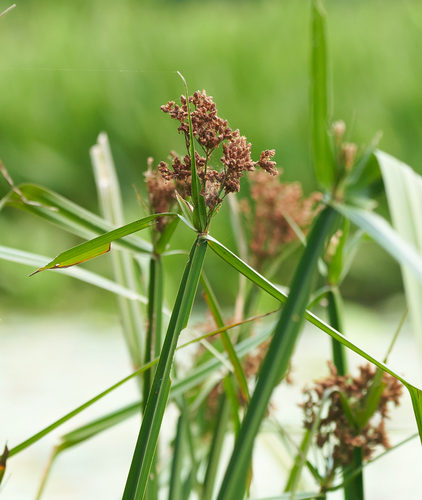
Actinoscirpus grossus
Giant bulrush, Greater club-rush
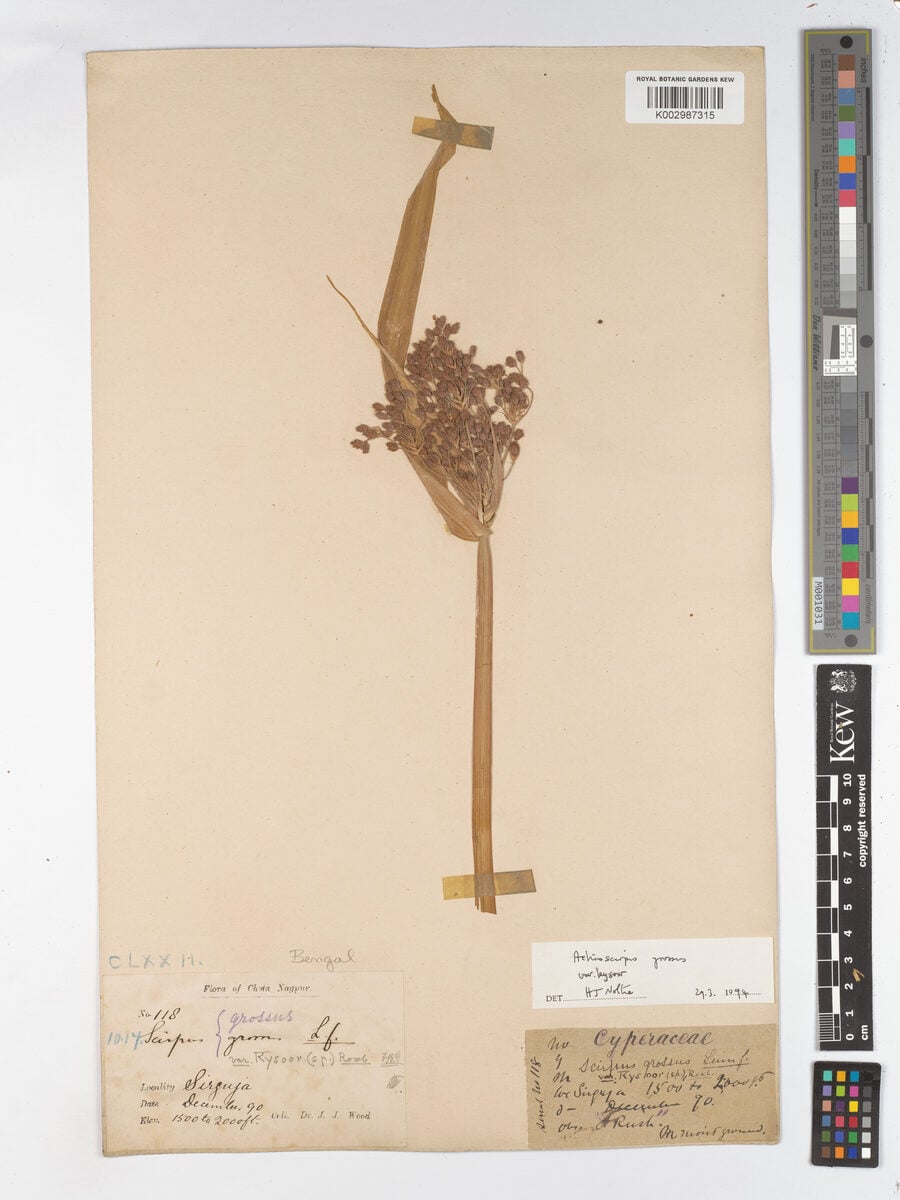
Actinoscirpus grossus var. kysoor
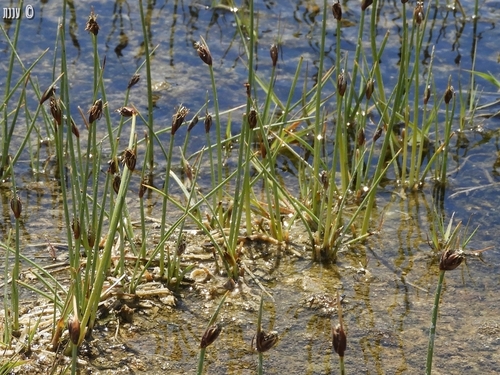
Amphiscirpus nevadensis
Nevada bulrush, Great basin bulrush
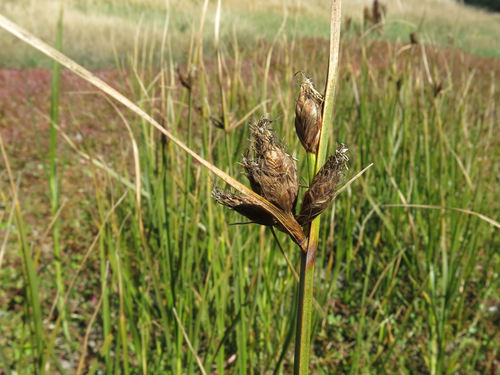
Bolboschoenus caldwellii
Sea club rush, Marsh club rush, Seaside bulrush
Bolboschoenus fluviatilis
Marsh club rush, River bulrush, Kukuraho, Purua grass
Bolboschoenus glaucus