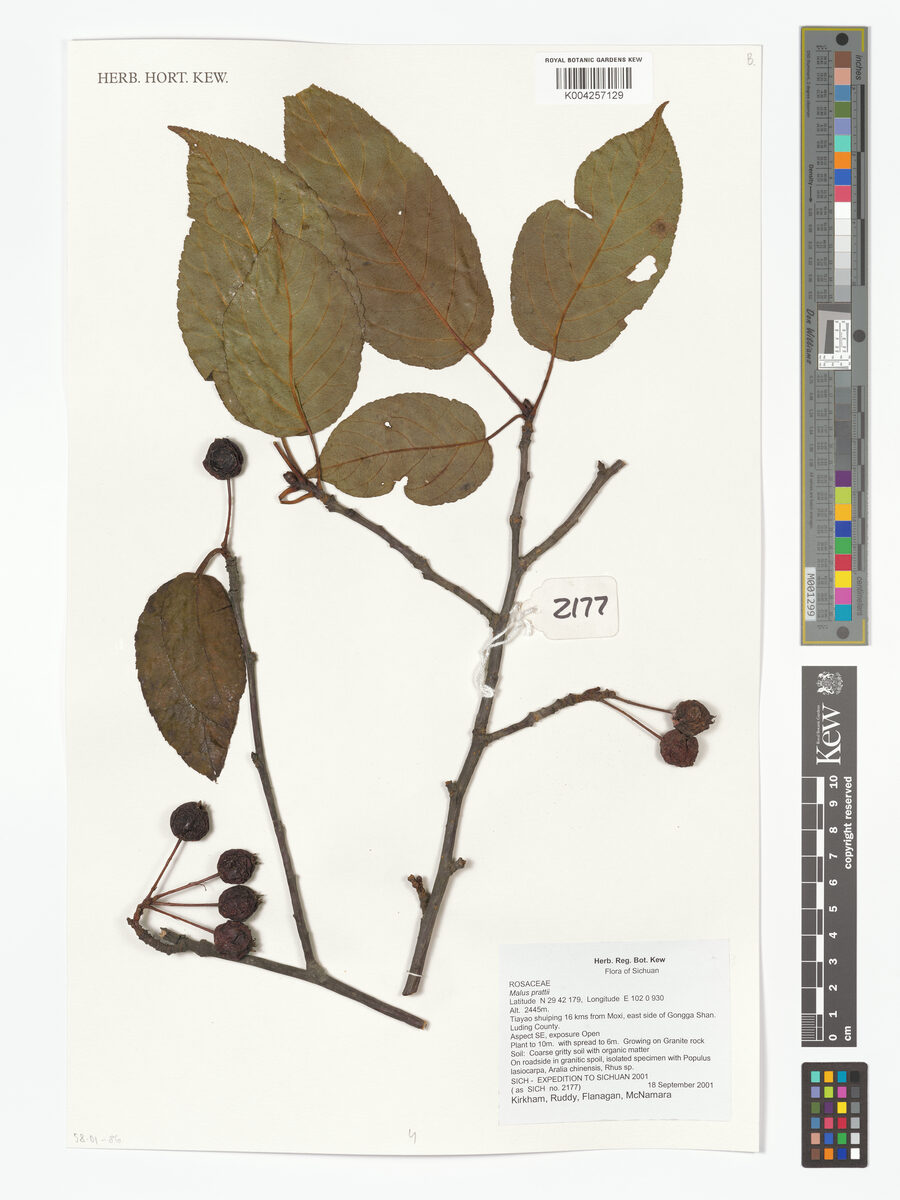
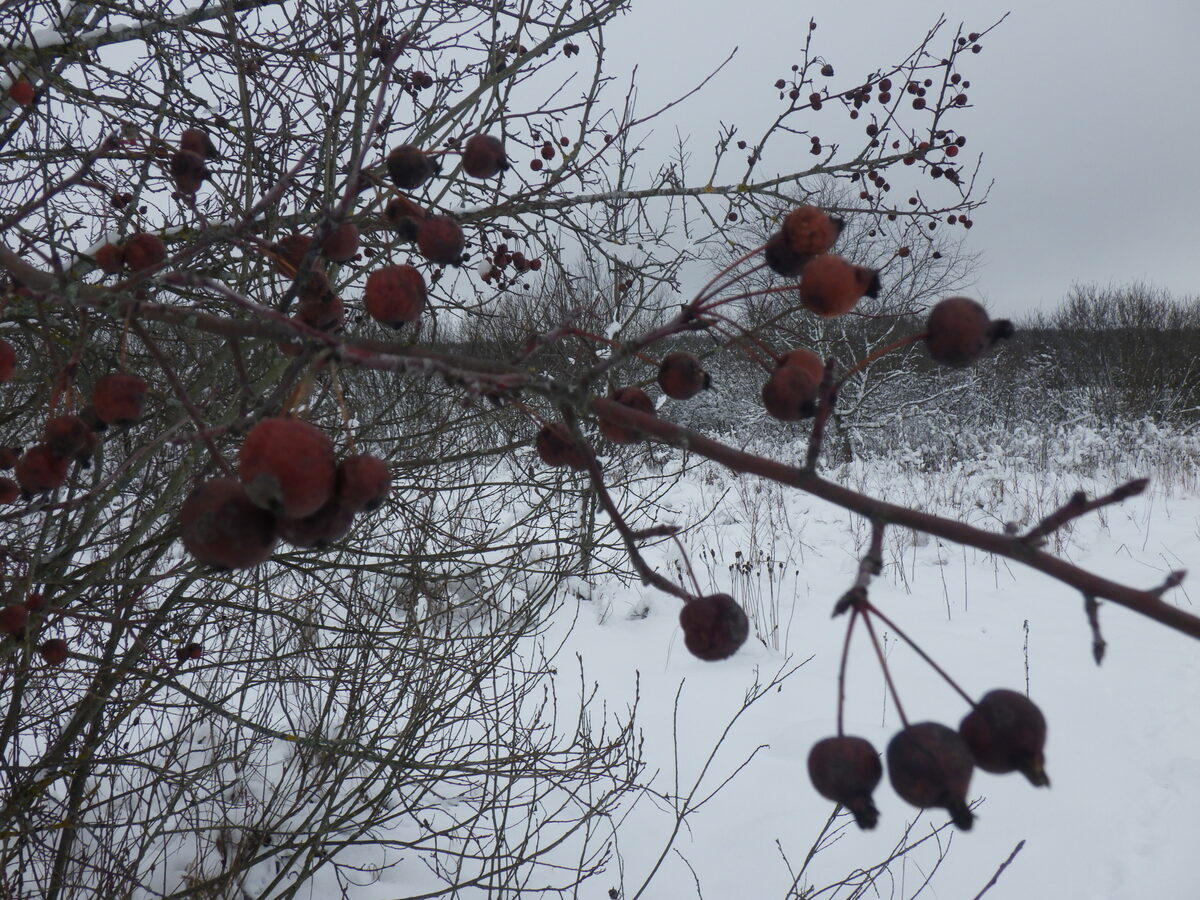
Prinsepia uniflora
Batalin.
Rui ren
iNaturalist· cc-by-nc
(с) sunwenhao90, некоторые права защищены (CC BY-NC), загрузил sunwenhao90
wikimedia· cc-by-sa
Wikimedia Commons - Pancrat
wikimedia· cc-by-sa
Wikimedia Commons - Pancrat
Summary
Source: WikipediaPrinsepia uniflora is a deciduous shrub reaching 1.8 m tall and 3 m wide. Hardy to UK zone 5 and not frost tender. Flowers appear April to May with seeds ripening July to September. The plant is hermaphroditic and insect-pollinated. It tolerates light sandy, medium loamy, and heavy clay soils with good drainage, adapting to mildly acid, neutral, and basic pH levels. It grows in semi-shade or full sun and prefers moist conditions. The plant withstands strong winds but not maritime exposure.
Description
A shrub. It loses its leaves during the year. It grows 1.8 m tall and spreads 3 m wide. The fruit are 15 mm across and have 1 seed,
This description is brief — help expand it
Edible Uses
The fruit can be eaten raw or cooked. Juicy, the cherry-like fruit is about 15mm in diameter and contains one large seed.
Traditional Uses
The fruit are eaten raw or cooked.
This uses section is brief — help expand it
Medicinal Uses
None known
Distribution
It is a temperate plant. It grows between 800-2,200 m above sea level in NW China.
Where It Grows
Asia, China,
Cultivation
Succeeds in any moderately fertile well-drained soil in full sun or light shade. The plants produce flowers and fruits better when they are growing in full sun. Hardy to about -20°c. This species is closely allied to P. sinensis. Flowers are produced very early in the spring and they are then easily damaged by frosts. The flowers are produced on the previous seasons wood. They are produced on old wood according to another report. Plants only fruit in Britain after long hot summers.
Propagation
Seed is best given 2 months of cold stratification. Sow in autumn if possible, otherwise in late winter or early spring in a cold frame in light shade — germination may be inhibited by light. Prick out seedlings into individual pots when large enough to handle, grow on in a greenhouse or cold frame through their first winter, and plant out in late spring or early summer of the following year. Cuttings of half-ripe wood can be taken in July or August in a frame.
Other Uses
None known.
References (1)
- Ferns, K., Plants For A Future