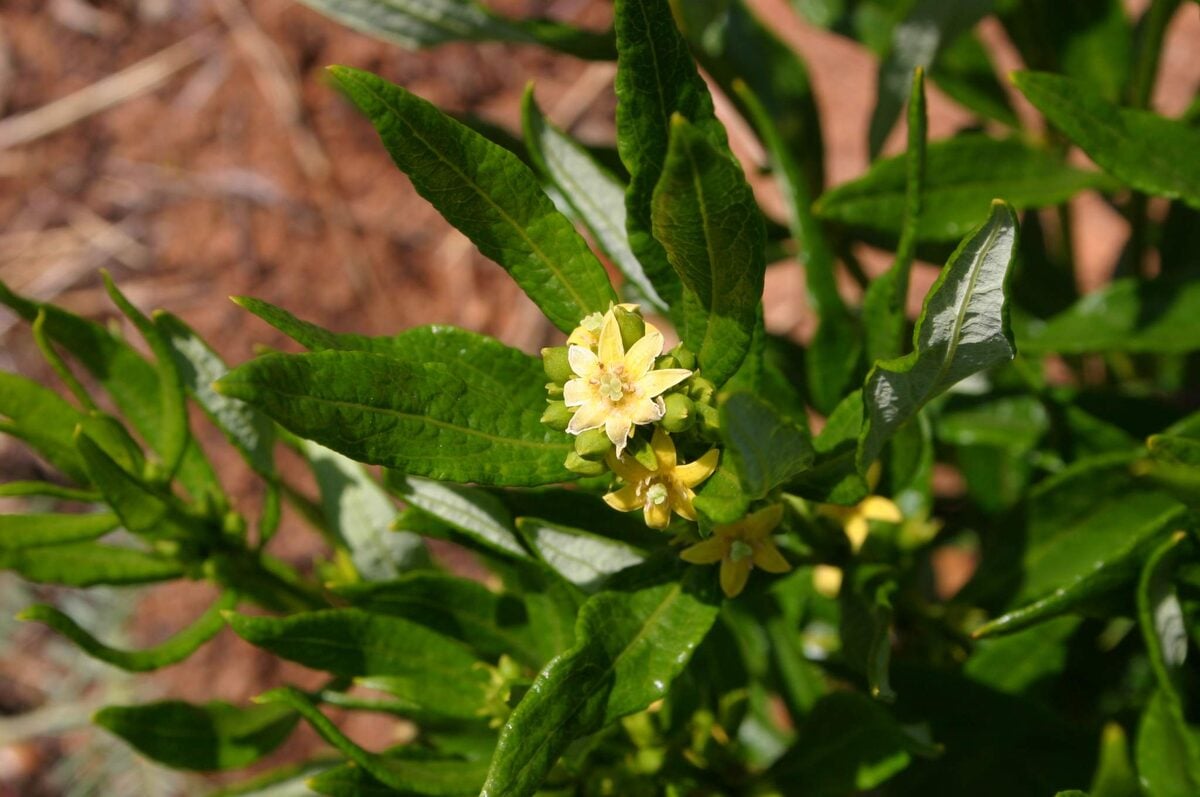
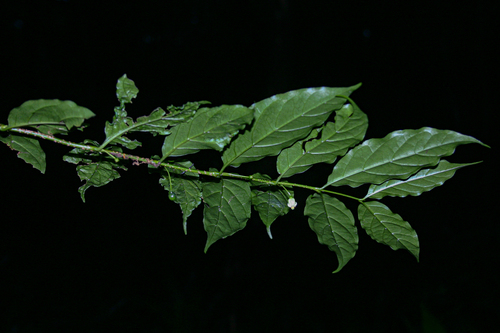
Crossopteryx febrifuga
(Afzel. ex G. Don) Benth.
iNaturalist· cc-by-nc
(c) Mpendulo, some rights reserved (CC BY-NC)
iNaturalist· cc-by-nc
(c) Mpendulo, some rights reserved (CC BY-NC)
iNaturalist· cc-by-nc
(c) Mpendulo, some rights reserved (CC BY-NC)
Description
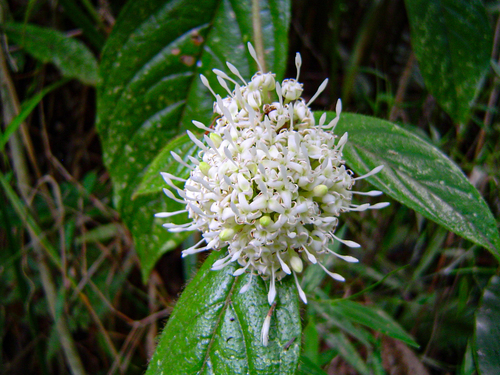
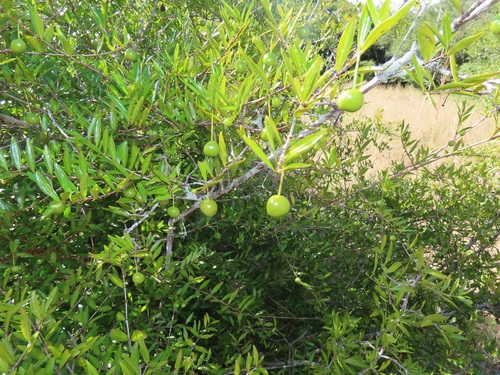
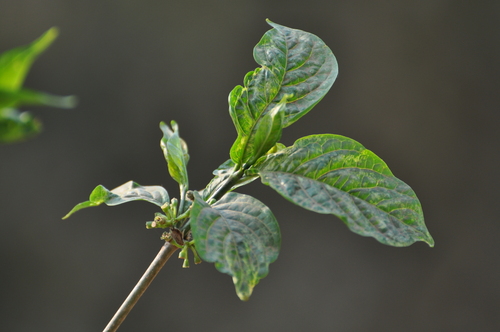
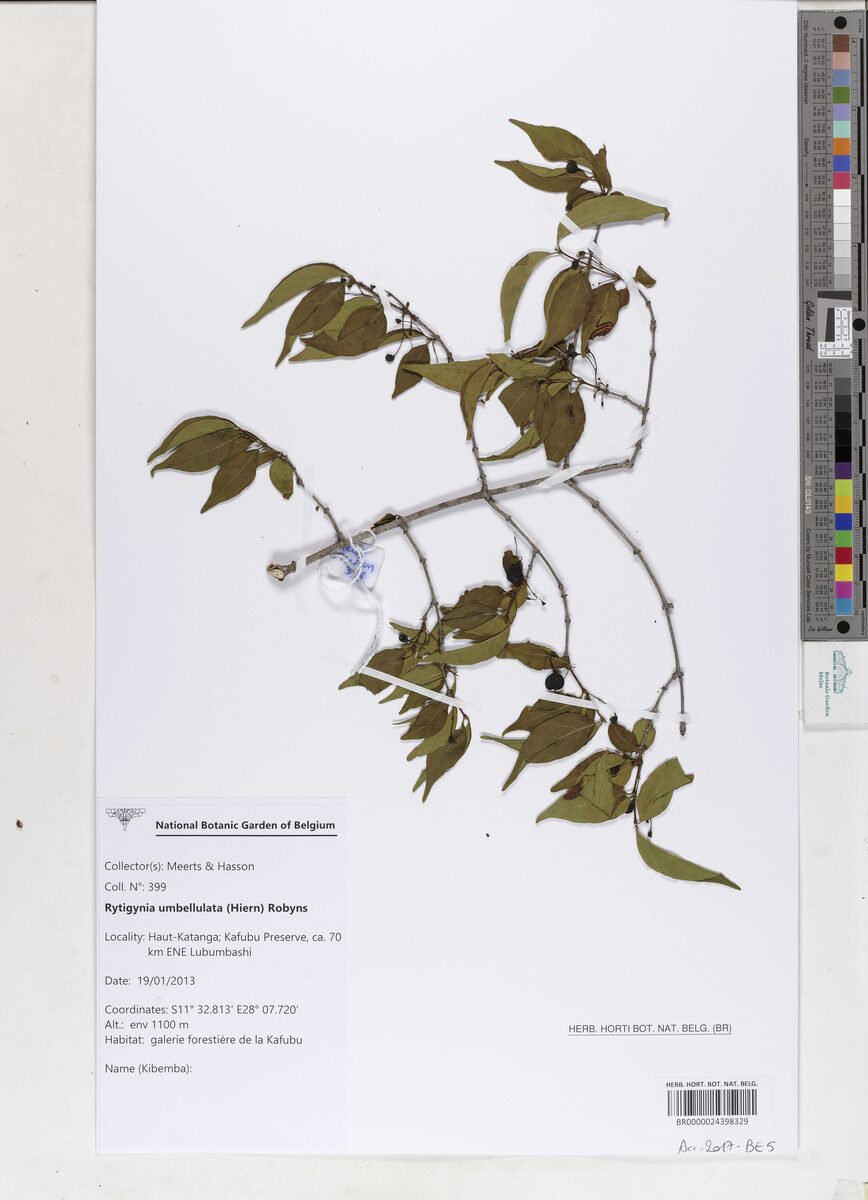
A shrub or small tree. It grows 2-5 m tall. The crown is round and the branches hang down. The leaves are narrowly oval and can be almost round. They can be hairy. The flowers are in a dense group at the ends of the branches. They are yellow and the tube is tinged pink. The fruit is a black capsule about 1 cm long. The seeds are thin and flat.
Edible Uses
The fruit and leaves are used, though the plant is primarily valued for medicinal purposes.
Medicinal Uses
Widely used in traditional medicine, with the name febrifuga suggesting use as a fever treatment.
Distribution
It is a tropical plant. It grows in the savannah.
Where It Grows
Africa, Angola, Benin, Botswana, Burkina Faso, Burundi, Cameroon, Central African Republic, CAR, Chad, Congo DR, Congo R, Ethiopia, Gabon, Gambia, Ghana, Guinea, Guinea- Bissau, Ivory Coast, Kenya, Malawi, Mali, Mozambique, Niger, Nigeria, Rwanda, Senegal, Sierra Leone, South Africa, Sudan, Tanzania, Togo, Uganda, West Africa, Zambia, Zimbabwe,
Cultivation
A plant of the tropics and subtropics, it is found at elevations ranging from sea level to 1,450 metres. Prefers rocky soils. Species in this genus generally thrive in a wide range of well-drained soils and a sunny position. Tolerates fires.
Other Uses
The seeds are used to fumigate clothes. They are powdered and made into a pomade, used for rubbing the body. Crossopteryx has a higher intrinsic resistance to fire. A 20-mm diameter stem of Crossopteryx survives exposure to 650°c, and can withstand frequent fires. The wood is very hard, fine textured, with a pale pink tinge. It is used for building, domestic implements such as utensils, tool handles. It is also used for sculptures. The wood is used for fuel. The tree has potential for use in integrated planting systems. The pH, available phosphorus, cation exchange capacity, total carbon content, and total nitrogen content were greater under C. febrifuga tree clumps than in the surrounding area. Potential soil respiration and mineral nitrogen accumulation was also greater beneath C. febrifuga. Soil water content was lower beneath canopies when soil moisture was greater than field capacity.
Notes
It is probably only a medicine but is widely used.
Synonyms
Also Known As
Balembo
References (2)
- Diarra, N. et al, 2016, Etude ethnobotanique des plantes alimentaires utilisées en période de soudure dans les régions Sud du Mali. Int. J. Biol. Chem. Sci. 10(1): 184-197
- Ferns, Useful Tropical Plants.