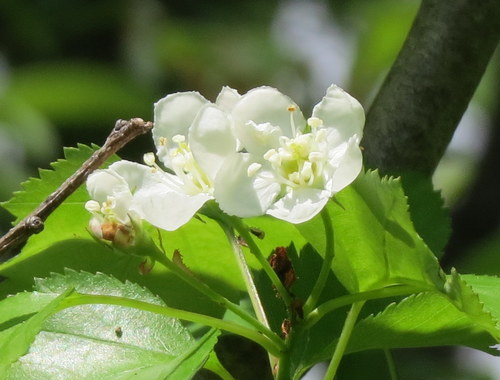
Cerasus miyoshii
(Ohwi) H. Ohba
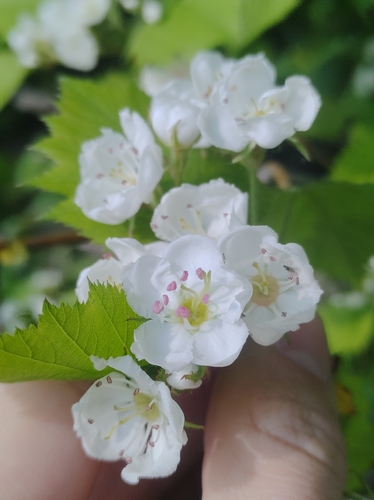
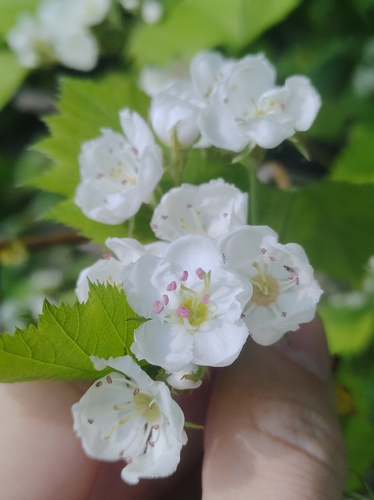
wikimedia· cc-by-sa
Wikimedia Commons - 阿橋 HQ
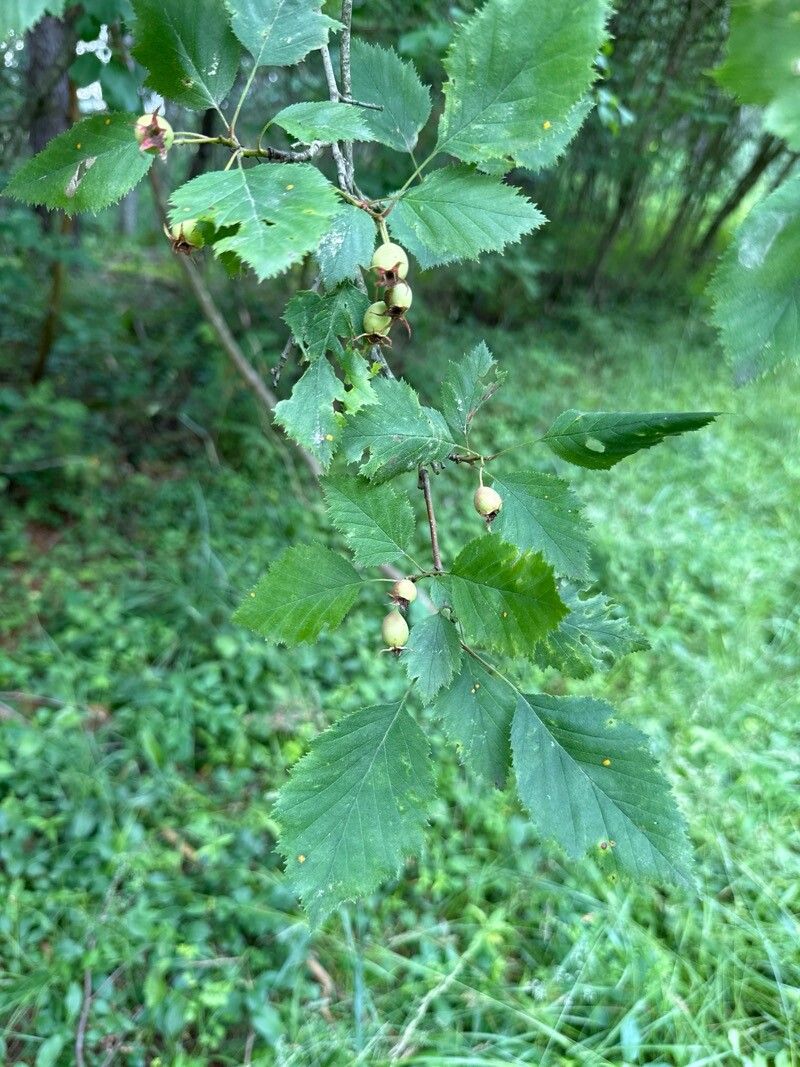
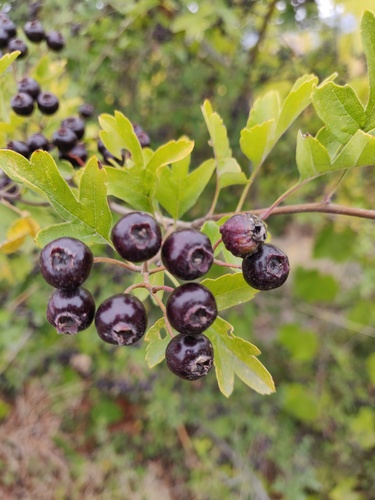
wikimedia· cc-by
Wikimedia Commons - 芳蘭 徐芳蘭
Description
A tree.
This description is brief — help expand it
Edible Uses
Cherry blossoms and leaves are edible, and both are used as food ingredients in Japan: The blossoms are pickled in salt and umezu (ume vinegar), and used for coaxing out flavor in wagashi, a traditional Japanese confectionery, or anpan, a Japanese sweet bun most-commonly filled with red bean paste. The pickling method, known as sakurazuke (桜漬け), is said to date back to the end of the Edo period, though the general method of pickling vegetables in salt to produce tsukemono has been known as early as the Jōmon period. Salt-pickled blossoms in hot water are called sakurayu and drunk at festive events like weddings in place of green tea. The leaves are pickled in salted water and used for sakuramochi. Cherry blossoms are used as a flavoring botanical in Japanese Roku gin.
Known Hazards
Cherry leaves and blossoms contain coumarin, which is potentially hepatotoxic and is banned in high doses by the Food and Drug Administration. However, coumarin has a desirable vanilla-like scent, and the salt curing process used prior to most culinary applications, which involves washing, drying, and salting the blossoms or leaves for a full day, reduces the concentration of coumarin to acceptable levels while preserving its scent. Coumarin may also be isolated from the plant for use in perfumes, pipe tobacco, or as an adulterant in vanilla flavorings, though the tonka bean is a more common natural source of this chemical. Cherry seeds and bark contain amygdalin and should not be eaten.
Distribution
It is a temperate plant.
Where It Grows
Asia, Japan ?,
Synonyms
References (1)
- World Checklist of Useful Plant Species 2020. Royal Botanic Gardens, Kew