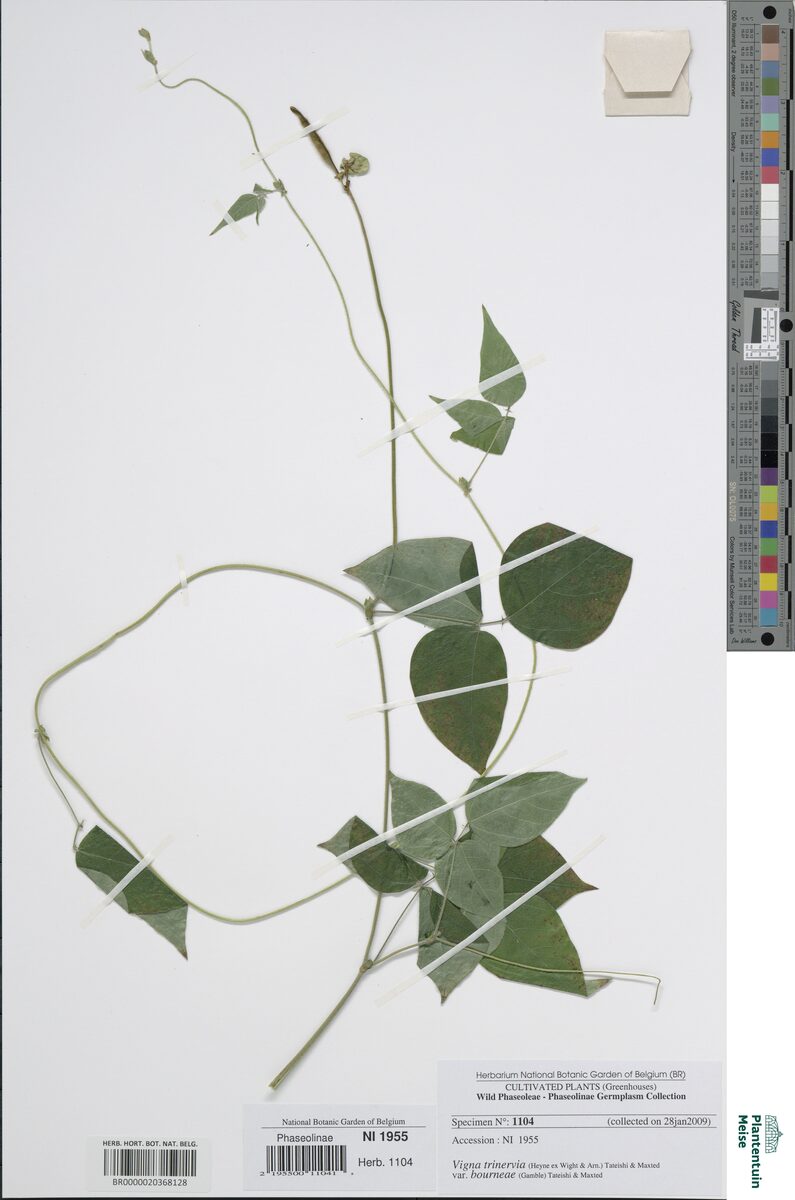
Millettia pachycarpa
Benth.
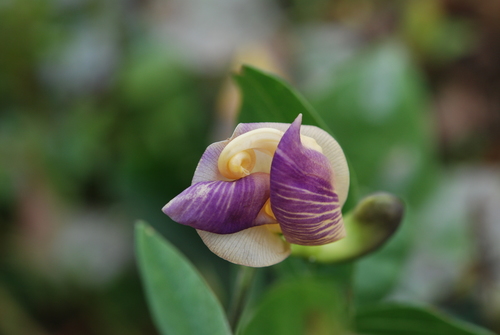
iNaturalist· cc-by-nc
(c) Kinmatsu Lin, some rights reserved (CC BY-NC), uploaded by Kinmatsu Lin
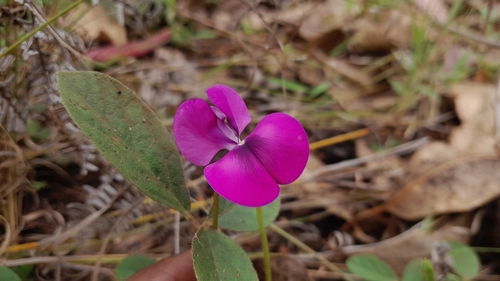
iNaturalist· cc-by-nc
(c) 長鬃山羊, some rights reserved (CC BY-NC)
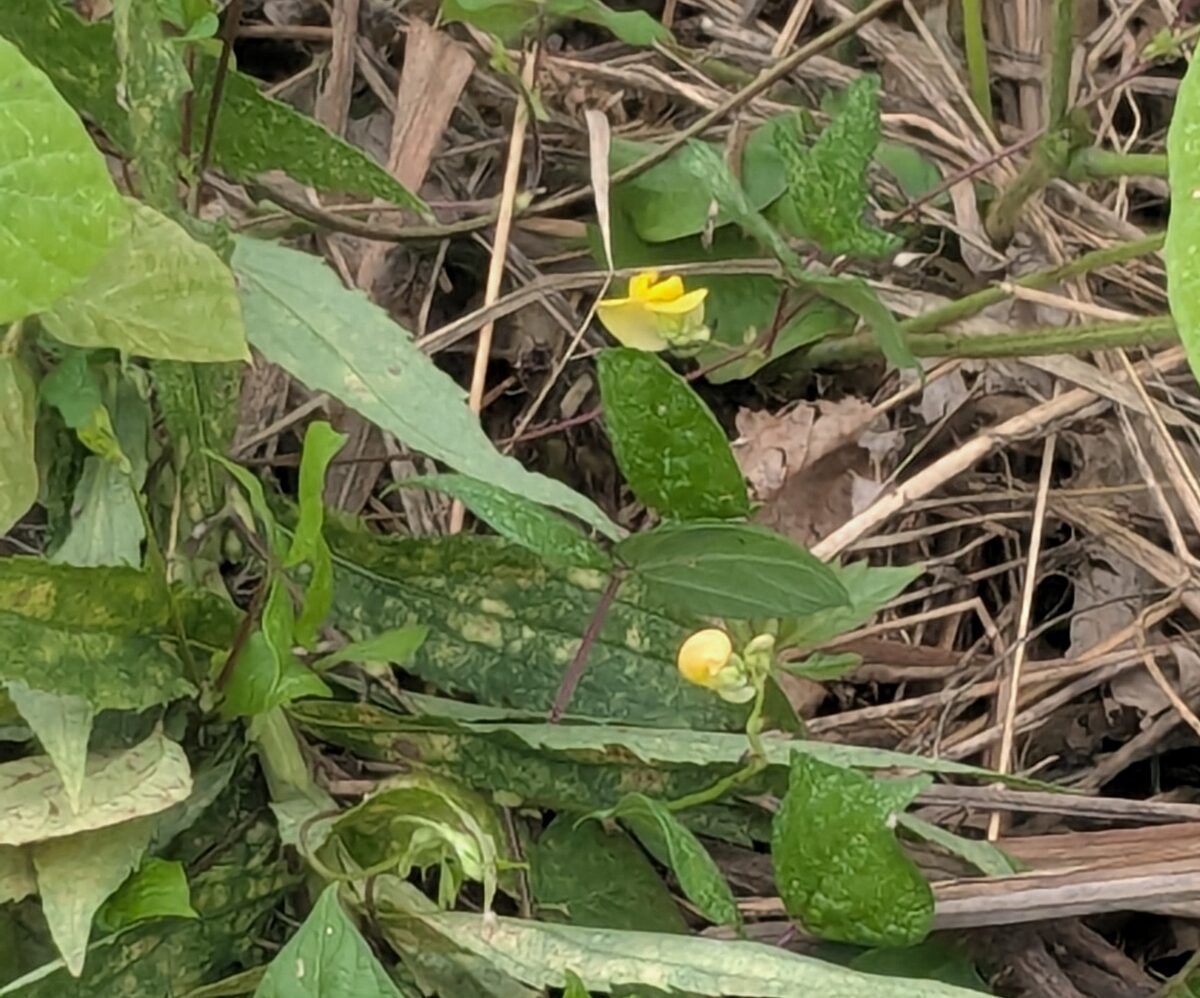
iNaturalist· cc-by-nc
(c) 長鬃山羊, some rights reserved (CC BY-NC)
Description
A woody vine. The stems are twining. It can grow 15 m long. It has rough pale yellow warts. The leaves have 13 - 17 leaflets. The flowers are lilac coloured. The fruit are dark brown oblong pods with yellow warts.
Edible Uses
The flowers are used as a potherb.
Traditional Uses
The flowers are used as a potherb. Many parts of the plant are poisonous.
This uses section is brief — help expand it
Medicinal Uses
It is used in traditional Chinese medicine as a blood tonic and to induce the growth of red blood cells and as cancer therapy in a preparation called 'Jixueteng'. The crushed concoction of D. taiwaniana leaves are used by some native tribals of north-east India, and the root bark is also directly eaten for treating intestinal infection.
Known Hazards
Among the tribal natives of north-east India and Tsou people of Taiwan, the juice extract of the crushed root and seed are widely used as fish poison in traditional fishing; and hence the common name 'fish poison climber'. The natives smash the plant parts against rocks, and let the juice extract run into the water. Fishes are easily stupefied and subsequently paralyzed. Then they are collected by hands or nets or baskets.
Distribution
It is a subtropical plant. In Yunnan. It grows between 100-2,000 m above sea level.
Where It Grows
Asia, Bangladesh, Bhutan, China, India, Laos, Myanmar, Nepal, Northeastern India, SE Asia, Sikkim, Taiwan, Thailand, Vietnam,
Cultivation
Species in this genus generally grow best in a sunny position in a fertile, moisture-retentive but well-drained soil.
Propagation
Like many species within the family Fabaceae, once they have been dried for storage the seeds of this species may benefit from scarification before sowing in order to speed up and improve germination. This can usually be done by pouring a small amount of nearly boiling water on the seeds (being careful not to cook them!) and then soaking them for 12 - 24 hours in warm water. By this time they should have imbibed moisture and swollen - if they have not, then carefully make a nick in the seedcoat (being careful not to damage the embryo) and soak for a further 12 hours before sowing.
Other Uses
The bark fibre is used for making rough ropes. The seeds and roots contain rotenone. They are ground intoa powder that is used as an insecticide.
Also Known As
Lai mei, Shu nan yi
References (1)
- Cao, Y., et al, 2020, Ethnobotanical study on wild edible plants used by three trans-boundary ethnic groups in Jiangcheng County, Pu’er, Southwest China. Journal of Ethnobiology and Ethnomedicine (2020) 16:66