Berrya cordifolia
(Willd.) Burret
Trincomalee wood
iNaturalist· cc-by
(c) Aravinth, some rights reserved (CC BY), uploaded by Aravinth
iNaturalist· cc-by-nc
(c) David Horcajada Tejero, some rights reserved (CC BY-NC), uploaded by David Horcajada Tejero
iNaturalist· cc-by-nc
(c) David Horcajada Tejero, some rights reserved (CC BY-NC), uploaded by David Horcajada Tejero
Summary
Source: WikipediaBerrya cordifolia, the Trincomalee wood, is a species of tree native to much of tropical Asia and introduced to Africa. It is also found in the forests of Christmas Island. It is widely used for timber, and its bark is used for fibers. The wood has a number of uses, including furniture and historical applications in shipbuilding. It grows up to 27 meters tall. The tree is known as Halmilla (හල්මිල්ල) in Sri Lanka, and the wood is traditionally used to make vats in which Coconut Arrack is stored and aged after distillation, as this adds desirable qualities to the mature spirit.
Description
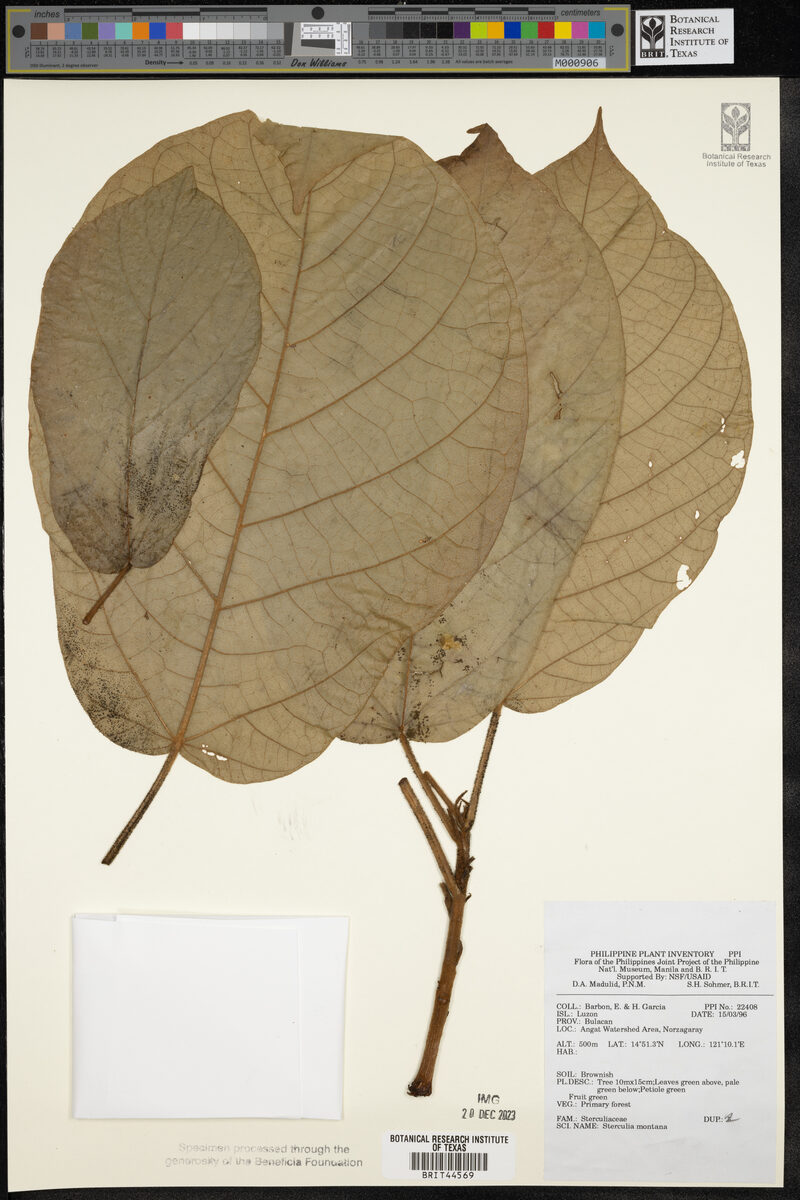
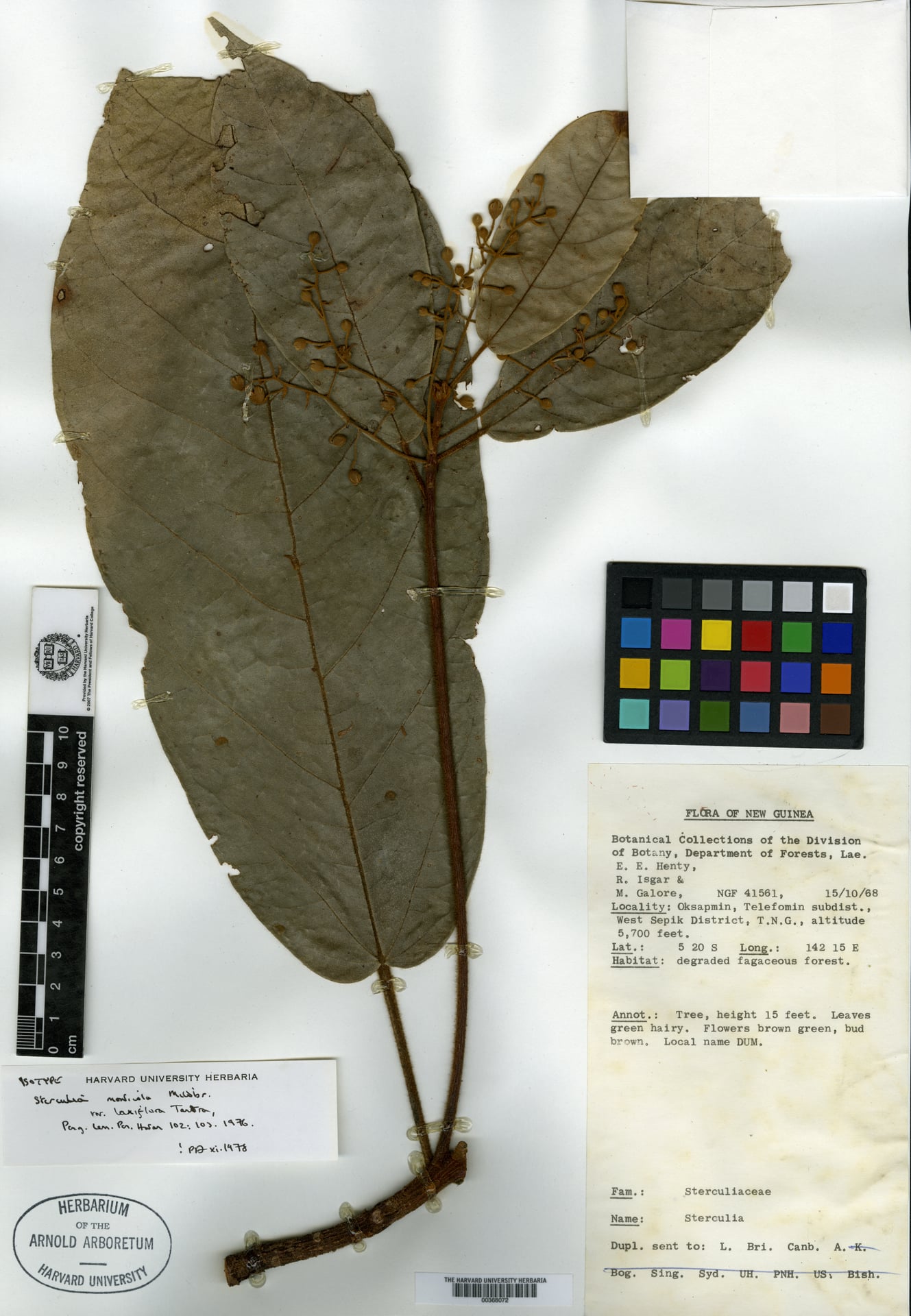
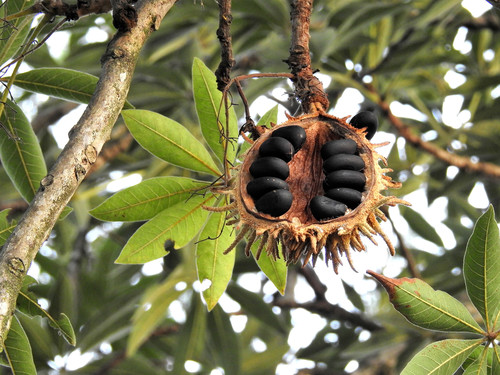
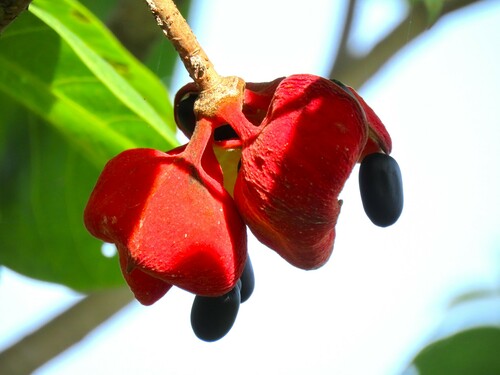
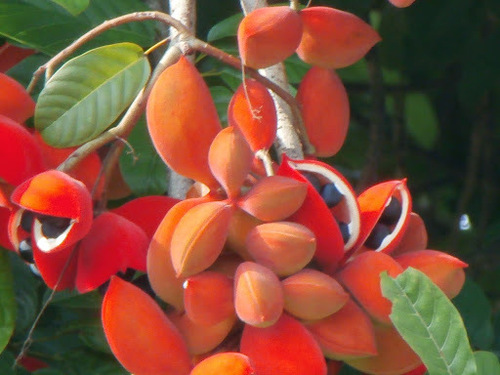
A tree. It can grow 20 m tall or higher. The trunk is 10-20 cm across. The leaves are oval and 10-20 cm long by 8-10 cm wide. The flowers are white and in groups at the ends of branches. The fruit is a 6 winged capsule.
Known Hazards
The seeds have stiff hairs which may penetrate the skin and cause painful itching.
Distribution
It is a tropical plant. In Thailand it grows between 100-400 m above sea level.
Where It Grows
Africa, Andamans, Asia, Australia, Bangladesh, Benin, Cambodia, China, East Africa, India, Indonesia, Laos, Malaysia, Myanmar, Philippines, SE Asia, Sri Lanka, Taiwan, Tanzania, Thailand, Trinidad-Tobago, Vietnam,
Cultivation
Plants can be grown from seed.
Propagation
Seed - about 30% of the seeds germinate in 14 - 33 days, but a germination percentage of 20% has also been recorded. Seedlings 8 - 10 months old are used as bare-rooted planting stock. Stumps prepared from 1.5 - 2-year-old stock with a diameter of 2cm can also be used; the shoot is trimmed to 3 - 4cm and the roots to 20cm. Planting of stumps resulted in 70 - 75% survival.
Other Uses
A fibre of low quality is obtained from the bark. The heartwood is dark red-brown, often with darker streaks; it is distinctly demarcated from the whitish to pale brown sapwood. The grain is straight or shallowly interlocked; texture fine to medium; the wood surface is rather dull, with a slightly oily feel; when freshly sawn it has a pungent odour. The wood is very resilient and tough; hard; flexible; the heartwood is durable and extremely resistant to impregnation, whilst the sapwood is susceptible to Lyctus attack. It is difficult to saw, but it works well with other tools and has good bending properties. It finishes and polishes well and splits cleanly, but is difficult to glue. A valuable timber, it is used for high quality furniture, but is also suitable for a wide range of other uses such as house building, mine props, boats, tool handles, turnery, oars, wheel work and shafts. The plant has been grown in windbreaks and shelterbelts.
Synonyms
References (1)
- World Checklist of Useful Plant Species 2020. Royal Botanic Gardens, Kew