Cuscuta japonica
Choisy
Japanese dodder
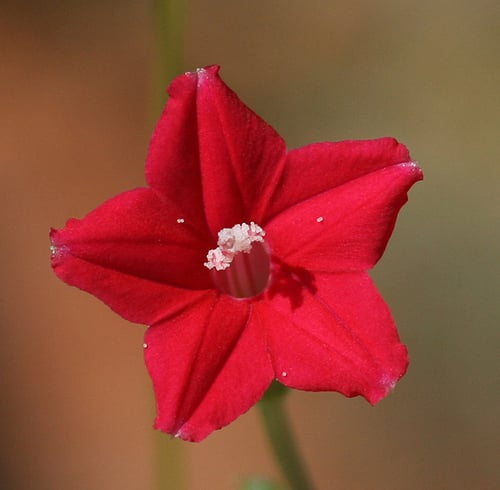
iNaturalist· cc-by-nc
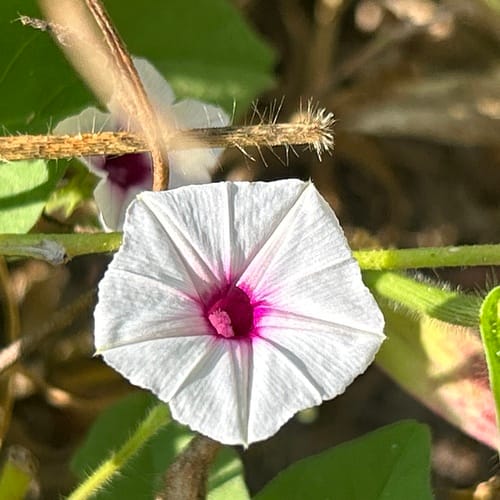
(c) V.S. Volkotrub, some rights reserved (CC BY-NC), uploaded by V.S. Volkotrub
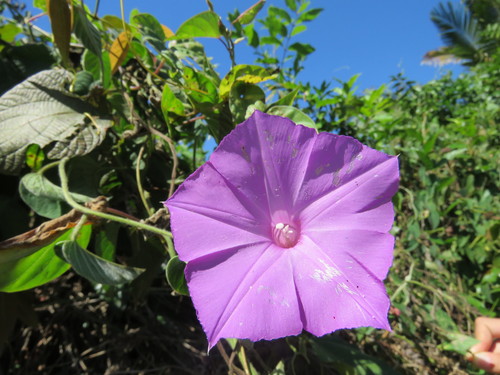
iNaturalist· cc-by-nc
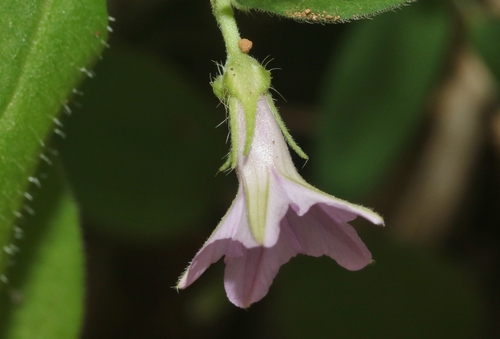
(c) 小铖/Smalltown, some rights reserved (CC BY-NC), uploaded by 小铖/Smalltown
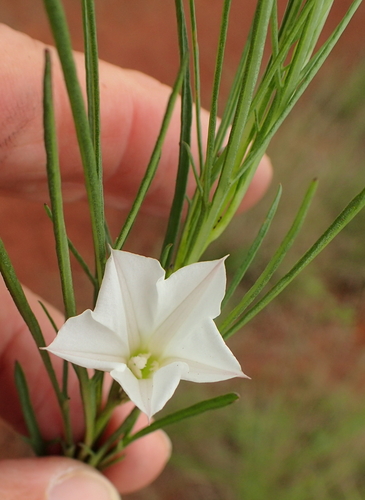
iNaturalist· cc-by-nc
(c) onidiras-iNaturalist, some rights reserved (CC BY-NC), uploaded by onidiras-iNaturalist
Summary
Source: WikipediaCuscuta japonica, commonly known as Japanese dodder, is a parasitic vine. It has been listed by the State of California as a noxious weed. It has a range of effects on its host and has repeatedly been introduced to the United States of America. C. japonica looks very similar to other vines, making it difficult to distinguish.
Description
A twining annual herb. The stems are thin, yellow and much branched. They have red stripes or spots. The flowers are pale yellow and bell shaped. They are produced in short spikes.
Edible Uses
Young growth is boiled and seasoned.
Medicinal Uses
Japanese dodder seed is a sweet, pungent herb that acts mainly as a liver and kidney stimulant. It is aphrodisiac, demulcent, diaphoretic, hepatic, and tonic, and is also used to treat enuresis. A decoction of the seed is used for diarrhoea, vaginal discharge, enuresis, backache, constipation, and impotence. The young shoots are used to treat sore eyes.
Distribution
A subtropical plant. It grows on herbs and shrubs. In Sichuan and Yunnan.
Where It Grows
Asia, China, Indochina, Japan, Korea, Russia, SE Asia, Taiwan, Vietnam,
Cultivation
This is a parasitic species that is devoid of leaves, roots or chlorophyll and so is totally dependant upon its host. It must be grown next to the host plant, which it penetrates with suckers in order to obtain nutriment. Plants are hardy to at least -15°c. A climbing plant, supporting itself by twining around other plants.
Propagation
Seed is best sown as soon as it is ripe in autumn, by lodging it among the stems of a host plant.
Other Uses
None known Special Uses
Other Information
These parasitic weeds can damage other crops.
Notes
There are 170 Cuscuta species. The seeds are used in medicine. Also put in the family Cuscutaceae.
Synonyms
Also Known As
Jin deng teng
References (4)
- Brown, D., 2002, The Royal Horticultural Society encyclopedia of Herbs and their uses. DK Books. p 187
- Fang Rhui-cheng; George Staples, CONVOLVULACEAE Flora of China
- Plants for a Future database, The Field, Penpol, Lostwithiel, Cornwall, PL22 0NG, UK. http://www.scs.leeds.ac.uk/pfaf/
- H. Zollinger, Syst. Verz. 2:134. 1854-1855