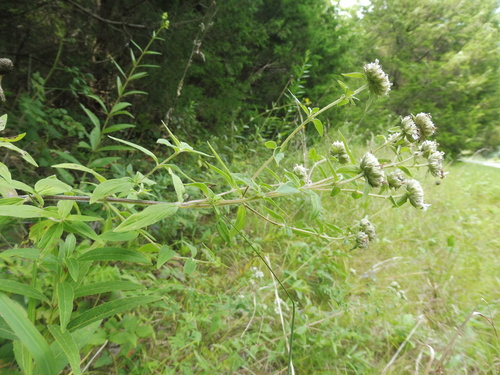
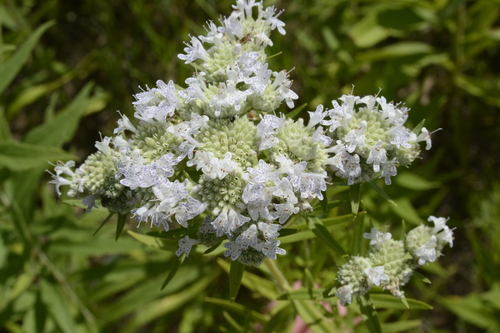
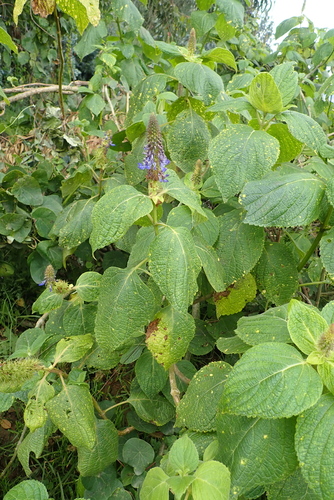
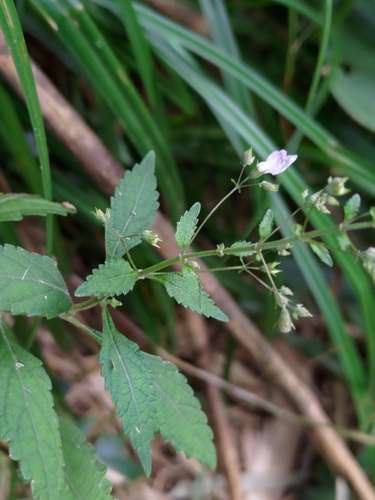
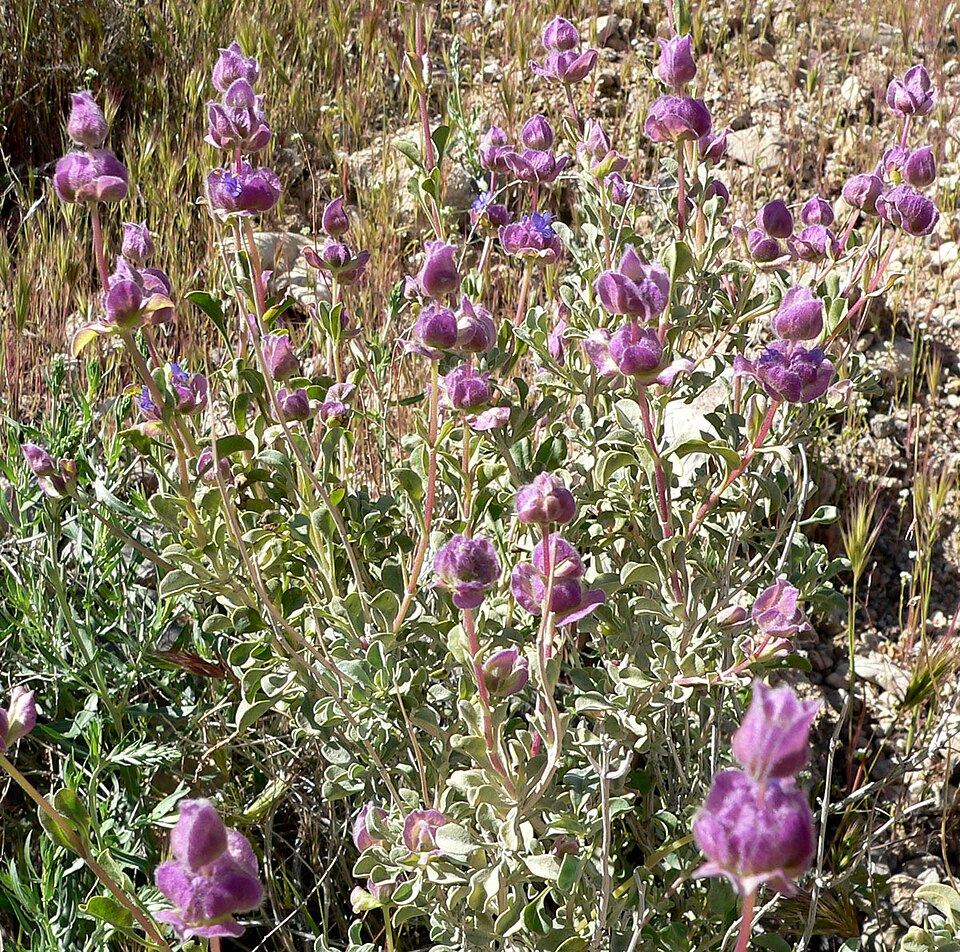
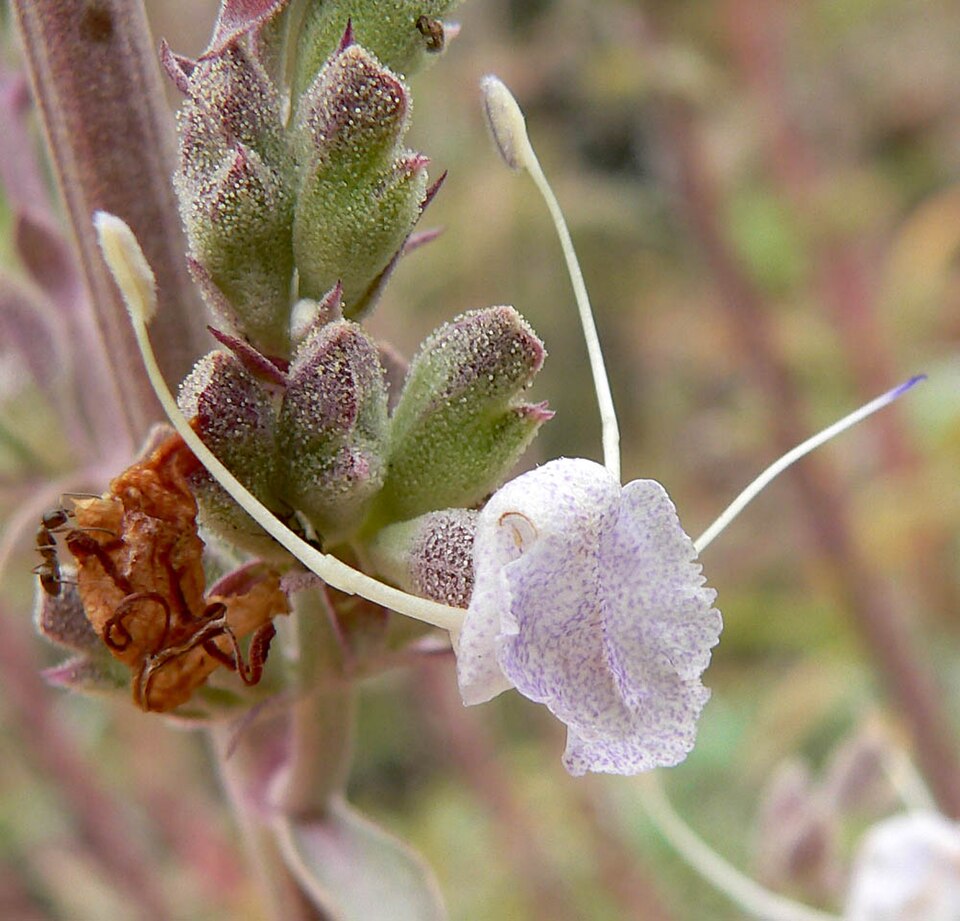
Sideritis clandestina
(Bory & Chaub.) Hayek
iNaturalist· cc-by-nc
(c) oxelman, some rights reserved (CC BY-NC), uploaded by oxelman
iNaturalist· cc-by-nc
(c) oxelman, some rights reserved (CC BY-NC)
Description
A Mediterranean herb in the mint family (Lamiaceae).
This description is brief — help expand it
Edible Uses
The leaves are used for tea.
Medicinal Uses
In Albania, Bulgaria, Greece, North Macedonia, and Turkey, Sideritis scardica, Sideritis clandestina, Sideritis syriaca, Sideritis perfoliata and various other species from the section Empedoclia are used as herbs either for the preparation of herbal teas, or for their aromatic properties in local cuisines. The herbal tea is commonly prepared by decoction, by boiling the stems, leaves and flowers in a pot of water, then often serving with honey and lemon. Some plants in the genus have a history of use in traditional herbal medicine. Research into the potential effects has taken place in universities in the Netherlands and in the southern Balkans where the plant is indigenous. Chemical constituents include diterpenoids and flavonoids.
Distribution
It is a Mediterranean climate plant.
Where It Grows
Europe, Greece, Mediterranean,
Synonyms
References (1)
- World Checklist of Useful Plant Species 2020. Royal Botanic Gardens, Kew