Prunus fremontii
S. Watson
Desert apricot
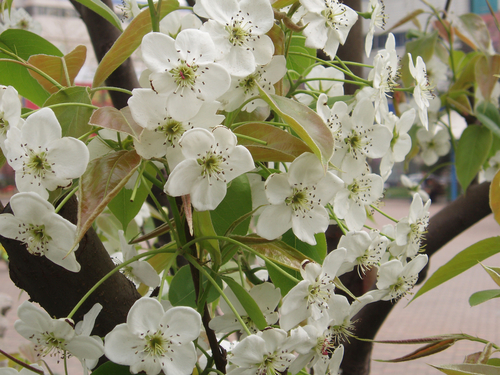
iNaturalist· cc-by-sa
(c) Florian Boyd, some rights reserved (CC BY-SA)
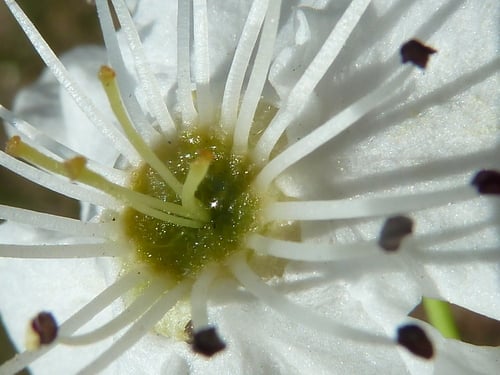
iNaturalist· cc-by-nc
(c) James Bailey, some rights reserved (CC BY-NC)
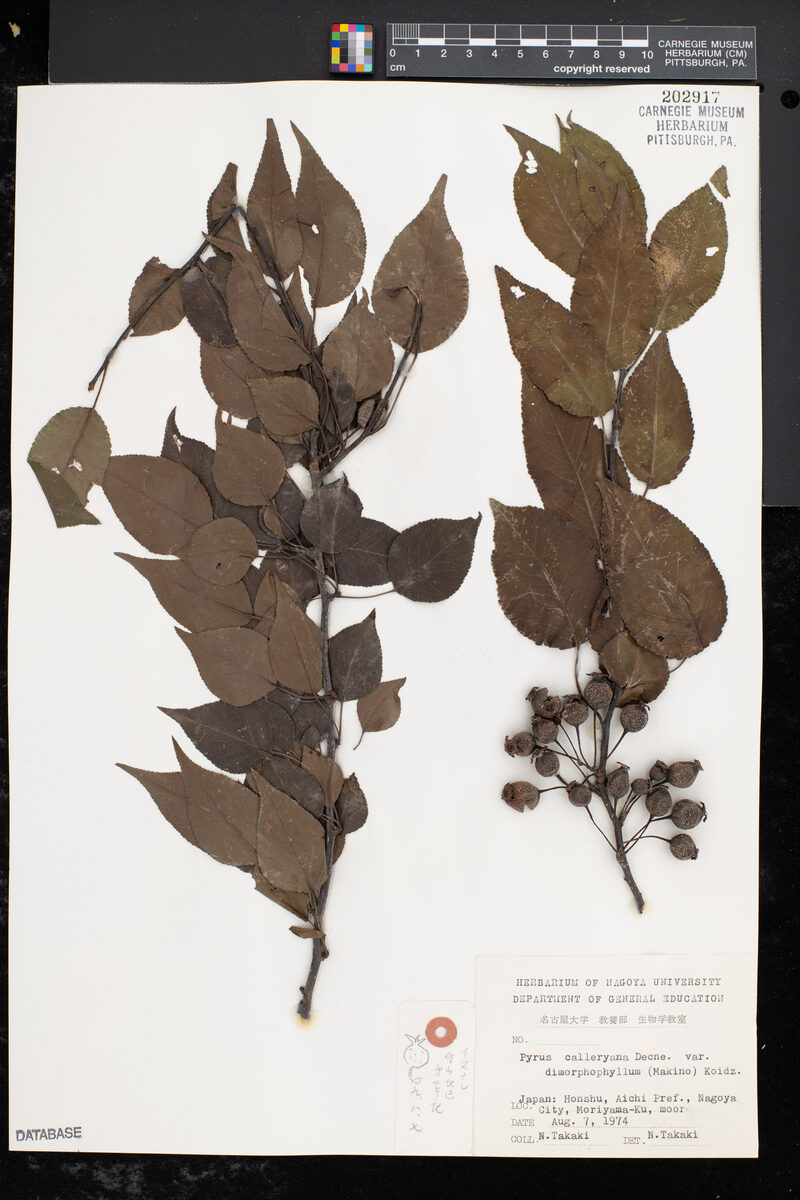
iNaturalist· cc-by-nc
(c) James Bailey, some rights reserved (CC BY-NC)
Summary
Source: WikipediaPrunus fremontii is a North American species of plants in the rose family, known by the common name desert apricot. It takes its scientific name from John C. Frémont. It is found in northern and western Baja California especially, mostly Pacific and western, and the adjacent area of southern California. It also occurs in northern Baja California Sur.
Description
A deciduous shrub growing 2.5 m tall by 2 m wide. Hardy to UK zone 8, not frost tender. Insect-pollinated flowers. Noted for attracting wildlife. Tolerates light sandy and medium loamy soils, prefers well-drained conditions, and adapts to heavy clay and nutritionally poor soils. Grows in mildly acid, neutral, or basic soils. Requires full sun, tolerating dry or moist soil and drought.
Edible Uses
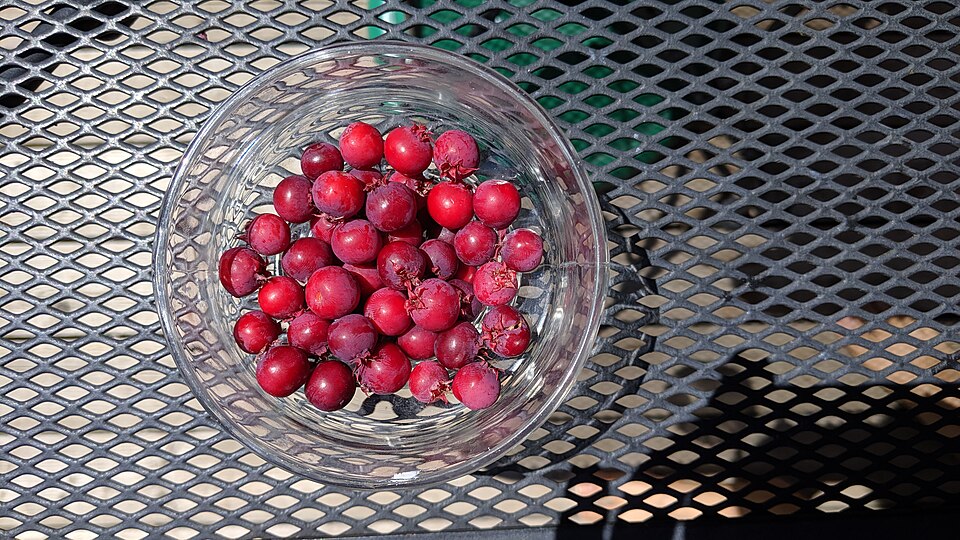
The fruit can be eaten raw or cooked and was considered a great delicacy and highly prized food source by Native Americans. It is yellowish, ellipsoid-ovoid, 8–15mm long, densely puberulent with a leathery to dry flesh. The pulp is scanty, semi-dry, and often unpleasantly bitter, only rarely developing noticeable sweetness. The hard pits make up most of the fruit's volume; the fruits mature in June and July and the fleshy layers split naturally from the pits. The seed can also be eaten raw or cooked, but should not be consumed if too bitter. The almond-like kernels inside the pits contain dangerous levels of cyanogenic compounds. Traditional Native American groups processed them by grinding, soaking, boiling, and roasting to reduce toxicity, but modern foragers are advised to avoid consuming them due to cyanide risks.
Medicinal Uses
No specific medicinal use has been recorded for this species, but like all members of the genus it contains amygdalin and prunasin, compounds that break down in water to release hydrocyanic acid (cyanide or prussic acid). In small amounts, this highly poisonous substance is said to stimulate respiration, improve digestion, and produce a sense of well-being.
Known Hazards
The plant (especially the seed and young shoots) contains cyanogenic glycosides, especially amygdalin and prunasin. When ingested, these compounds break down in the digestive tract to release cyanide. Used in small quantities in both traditional and conventional medicine, this exceedingly poisonous compound has been shown to stimulate respiration, improve digestion, and promote a sense of well-being. It is also claimed by some to be of benefit in the treatment of cancer - though this claim has been largely refuted. In larger concentrations, however, cyanide can cause gasping, weakness, excitement, pupil dilation, spasms, convulsions, coma and respiratory failure leading to death. The fruits and flowers of most members of this genus generally have low or very low concentrations of this toxin, though the seeds and young shoots can contain much higher levels. The levels of toxin can be detected by the level of bitterness:- for example sweet tasting almond seeds are a major food crop and are often eaten in quantity, whilst bitter tasting almond seeds are used as a flavouring (in marzipan for example) but are not usually eaten on their own. Generally, it can be considered safe to eat any fruit or seed from species in this genus that either have a sweet flavour or are slightly bitter. However, great caution should be taken if the flavour is moderately to very bitter.
Distribution
It is a subtropical plant.
Where It Grows
Mexico, North America, USA,
Cultivation
Requires a sunny position. It is found mainly in sandy soils in the wild. Extrafloral nectaries attract various insects, particularly wasps and ants, to the leaves. The presence of these insects discourages browsing by herbivores. The plant generally survives fire. Top growth may be killed, but it generally resprouts vigorously from the root crown. Most members of this genus are shallow-rooted and will produce suckers if the roots are damaged. Plants in this genus are notably susceptible to honey fungus. Habitat & Range: Desert apricot is native to southern California, especially along the eastern slopes of the Peninsular Ranges. It grows as a shrub or small tree, typically reaching 1–4 meters in height. USDA Hardiness Zone: 7–9. Weed Potential: Desert apricot is not considered weedy or invasive. Its value as a wild food is low due to poor fruit quality and the hazardous nature of its kernels.
Propagation
Seed requires 2–3 months of cold stratification and is best sown in a cold frame as soon as it is ripe. Stored seed should be sown in a cold frame as early in the year as possible and protected from mice. Germination can be slow, sometimes taking 18 months. Prick out seedlings into individual pots when large enough to handle, overwinter in a greenhouse or cold frame, and plant out in late spring or early summer the following year. Cuttings of half-ripe wood with a heel can be taken in mid-summer in a frame. Softwood cuttings from strongly growing plants can be taken in spring to early summer in a frame. Layering can be done in spring.
Other Uses
A green dye can be obtained from the leaves, and a dark grey to green dye from the fruit. This species belongs to the secondary gene pool of the peach (Prunus persica), giving it potential as a gene donor for crop improvement, for example to confer drought resistance.
Synonyms
Also Known As
Cerezo catalina
References (2)
- Segura, S., et al, 2018, The edible fruit species in Mexico. Genet Resour Crop Evol (2018) 65:1767–1793
- World Checklist of Useful Plant Species 2020. Royal Botanic Gardens, Kew