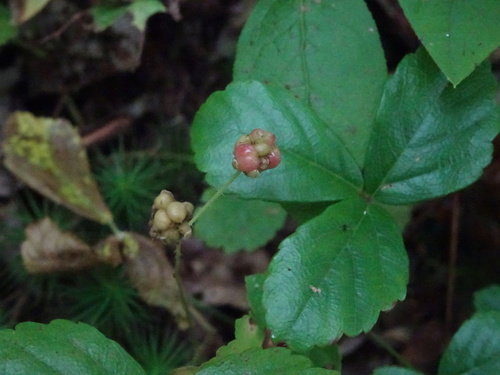
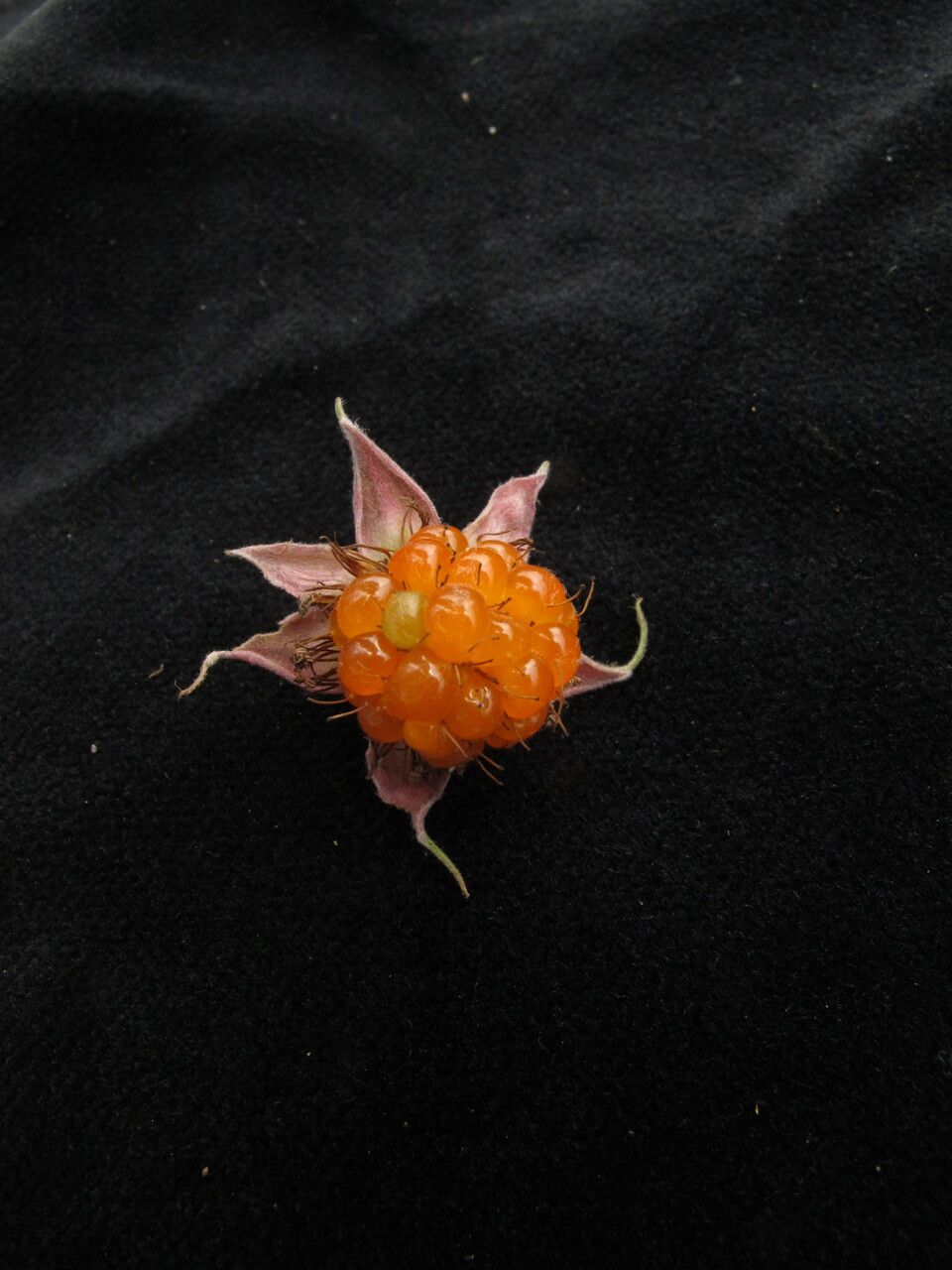
Rosa chinensis var. semperflorens
(W. M. Curtis) Koehne
Monthly rose, Red China rose
gbif· cc-by
Meise Botanic Garden
gbif· cc-by
GBIF
gbif· cc-by
GBIF
Summary
Source: WikipediaRosa chinensis (Chinese: 月季; pinyin: yuèjì), known commonly as the China rose, Chinese rose, or Bengal rose, is a member of the genus Rosa native to Southwest China in Guizhou, Hubei, and Sichuan Provinces. The first publication of Rosa chinensis was in 1768 by Nikolaus Joseph von Jacquin in Observationum Botanicarum, 3, p. 7 & plate 55.
Description
A shrub.
This description is brief — help expand it
Edible Uses
Cultivars developed from Rosa chinensis have been important in the breeding of many modern garden roses by providing the repeat-blooming characteristic, although this is not a feature of the wild species. The many forms of Rosa chinensis are also used in many other ways. The young vegetative plant parts, flower buds and flowers are brewed and eaten as a kitchen herb, for example, as a soup. From the rosehips, a thin fleshy layer that surrounds the seeds is eaten raw or cooked. The seed hair must be removed; It has to be handled very carefully. The seed hairs must not get into the mouth and throat. The seeds are a good source of vitamin E. The seeds can be ground and mixed with flour or added to other foods.
Distribution
It is a temperate plant.
Where It Grows
Asia, China,
Synonyms
References (1)
- Hedrick, U.P., 1919, (Ed.), Sturtevant's edible plants of the world. p 573 (As Rosa semperflorens)