Cucurbita foetidissima
Humboldt, Bonpland et Kunth
Buffalo gourd
iNaturalist· cc-by-nc
(c) Daniel Donovan, some rights reserved (CC BY-NC), uploaded by Daniel Donovan
iNaturalist· cc-by-nc
(c) einstein1966, some rights reserved (CC BY-NC)
iNaturalist· cc-by-nc
(c) Rebecca Marschall, some rights reserved (CC BY-NC), uploaded by Rebecca Marschall
Summary
Source: WikipediaCucurbita foetidissima is a tuberous xerophytic plant found in the central and southwestern United States and northern Mexico. It has numerous common names, but is most commonly called the buffalo gourd in English. The type specimen was collected from Mexico by Alexander von Humboldt and Aimé Bonpland sometime before 1817. In Latin, foetidissima means most unpleasant smell. The buffalo gourd has evolved in the semiarid regions and is well-adapted to desert environments. It contains high amounts of protein and carbohydrates and yields abundant oil. The carbohydrates that are formed in the tap root have led to the idea of growing the plant for biofuel. The fruit is consumed by both humans and animals. When mature, a stage marked by increasing desiccation of vine, leaves, fruit-stem, and fruit, the fruit begins its final gourd stage. Geographic location and genetics make it highly likely that Cucurbita scabridifolia originated as a naturally occurring hybrid of C. foetidissima and Cucurbita pedatifolia.
Description
A pumpkin family plant. It is a large plant. It has a bad smell. It has a very large root. The root can be 30 cm across and 2.7 m long. It can re-grow from this root. The stems are long and rough. They can be 7-10 m long. The leaves are triangle shape. They are rough and hairy. They can be 25 cm long. The flowers are yellow. They are large and bell shaped. They are 5-10 cm long. The fruit are 10 cm across. They have green stripes when young. They turn yellow when ripe.
Edible Uses
The mature seed is the most consistently documented edible part. When fully mature, clean, and free of bitterness, the seeds rate as good to excellent when roasted, with a nutty, oily richness comparable to pumpkin seeds. Under-mature seeds often have thin flavour and less oil. To prepare, wash off all pulp residue, dry thoroughly, then roast; salted roasting works well as the seeds carry seasoning effectively. The young fruit can be cooked and used as a vegetable or dried for later use, though it is bitter and grows more so with age. One report notes the fruit may contain up to 23% protein, though this would be exceptional for a fruit. Fruit diameter reaches up to 7cm. Seeds can also be ground into a powder for use as a soup thickener or mixed with cereal flours for cakes and biscuits. The seed contains 30–35% protein and 34% oil. An edible oil is obtained from the seed. The root is a source of starch used as a sweetener, stabiliser, or for making puddings similar to tapioca, though some caution is advised regarding toxicity. The flowers are said to be edible after preparation, though no further details are given. The flesh and pulp carry the highest risk, as wild gourds can contain cucurbitacins — intensely bitter, heat-stable compounds associated with poisoning. Treat strong bitterness as a warning sign and avoid consuming flesh and pulp.
Traditional Uses
The young fruit are bitter but have been cooked and eaten. The seeds are roasted and ground and eaten. The seeds also produce oil. The roots provide starch used as a sweetener and stabiliser. The flowers are cooked with cheese.
Medicinal Uses
Buffalo gourd was used medicinally by many Native North American peoples, particularly for skin complaints, and continues to be used in modern herbalism as a vermicide. The leaves, stems, and root are laxative and can be made into a poultice. The root is the primary part used medicinally, though some caution is warranted as there is a report that it can be poisonous. A poultice of mashed plant material has been applied to skin sores and ulcers. The seeds are vermifuge: the complete seed including the husk is ground into a fine flour, made into an emulsion with water, and eaten, after which a purgative must be taken to expel tapeworms or other parasites. The seeds are less potent than the root of Dryopteris felix-mas for treating internal parasites, but are safer for pregnant women, debilitated patients, and children.
Known Hazards
Flesh and pulp contain cucurbitacins that are intensely bitter and associated with poisoning; cooking does not reliably neutralize them. Extreme bitterness is a danger signal. Root carries toxicity risk. Avoid eating fruit flesh and pulp; prioritize seeds only.
Distribution
It is a subtropical plant. It grows in the prairies throughout Texas. It will grow in most soils. It is best in an open sunny position. It is resistant to frost but damaged by drought. It suits arid places.
Where It Grows
Australia, Central America, China, Mexico*, North America*, USA,
Cultivation
Growing Conditions. It thrives in full sun, heat, and open soils, especially in floodplains, disturbed ground, and desert margins where water arrives in pulses. Once established, the rootstock tolerates drought and resprouts strongly with summer moisture. Habitat & Range. It is widespread across the arid and semi-arid West and Southwest, commonly encountered in deserts, mesas, floodplains, roadsides, and disturbed sites—exactly the places where a sprawling vine can run without competition from dense grasses. Size & Landscape Performance. In a landscape, buffalo gourd is bold, sprawling, and seasonal aboveground, with large leaves, showy yellow flowers, and conspicuous fruits. It is best used where roughness is acceptable and where its spread can be contained. Cultivation (Horticulture). If grown intentionally, plant in warm soil with space, treat as a drought-tolerant warm-season vine, and do not expect tidy behavior. In mild climates, it can act as a persistent perennial from the rootstock; elsewhere, it is often managed like a reseeding or replanted annual. Pests & Problems. Like other cucurbits, it can attract general pests and can suffer foliar disease in wetter microclimates, but in dry regions the bigger “problem” is usually its strong odor, its spread, and the temptation for people to treat the fruit as edible flesh when it should not be. Identification & Habit. It is a low, sprawling vine with alternate leaves, tendrils, rough hairs, and big yellow unisexual flowers, producing hard, round pepos that turn yellow and then dry tan. Pollinators. Buffalo gourd is serviced by Cucurbita-specialist squash bees that are adapted to squash/gourd flowers, along with other visiting bees, depending on local abundance. Specialist squash bees are widely described as specialist pollinators of Cucurbita crops and gourds. Requires a rich, well-drained, moisture-retentive soil and a very warm, sunny, and sheltered position. Established plants are very drought-tolerant. This species is not very hardy in Britain; it is usually grown as an annual in temperate climates. The roots can survive temperatures down to approximately -25 °C. Does not hybridize naturally with other members of this genus, though crosses have been made under controlled conditions. The fruits are typically harvested in late summer to early autumn. Buffalo Gourd usually flowers in late spring to early summer. This plant is a fast grower, typically reaching maturity within 80 to 120 days under favourable conditions. Buffalo gourd (Cucurbita foetidissima) is in the gourd family (Cucurbitaceae), genus Cucurbita, and is commonly called buffalo gourd, stinking gourd, or calabazilla. It is notable for a long-lived, thick rootstock that can behave as a true perennial even where winters are cold, but aboveground vines remain warm-season and frost-killed. Because sources vary on formal “zone ratings,” a practical field estimate is that established rootstocks can persist in colder temperate zones (often treated as hardy into the mid temperate U.S.), while top growth functions seasonally. Vines commonly sprawl 2–6 m across in favorable moisture years, with low canopy height unless climbing.
Propagation
Sow seed in early to mid spring in a greenhouse in rich soil; germination should occur within 2 weeks. Sow 2 or 3 seeds per pot and thin to the strongest plant. Grow on quickly and plant out after the last expected frosts, providing cloche or frame protection for at least the first few weeks if growing outdoors.
Other Uses
The fruit can be used as a soap substitute by cutting it up and simmering in water to produce a liquid effective at removing stains from clothing; it can also be dried and stored for later use, and is often used alongside the root, which is also a soap substitute. The dried fruits have a tough, thick skin and can be used whole as rattles, or carved into ladles, spoons, and similar items. The root is a rich source of starch. Buffalo gourd can be used as a ground cover to help control soil erosion, and provides habitat for wildlife and beneficial insects. The flowers are rich in nectar and attract pollinators. The dense foliage offers shelter for small animals, and the plant's structure and leaf litter can provide overwintering habitat for invertebrates. The plant's strong odour may help confuse or deter certain pests.
Notes
There are 25 Cucurbita species. The seeds are rich in protein.
Synonyms
Also Known As
Calabaza loca, Calabazilla, Missouri gourd, Prairie gourd, Wild Pumpkin
References (24)
- Astrada, E., et al, 2007, Ethnobotany in the Cumbres de Monterrey National Park, Nuevo Leon, Mexico. Journal of Ethnobiology and Ethnomedicine 3:8
- Beckstrom-Sternberg, Stephen M., and James A. Duke. "The Foodplant Database." http://probe.nalusda.gov:8300/cgi-bin/browse/foodplantdb.(ACEDB version 4.0 - data version July 1994)
- Bodkin, F., 1991, Encyclopedia Botanica. Cornstalk publishing, p 306
- Esquinas-Alcazar, et al, 1983, Genetic Resources of Cucurbitaceae. International Board of Plant Genetic Resources.
- Facciola, S., 1998, Cornucopia 2: a Source Book of Edible Plants. Kampong Publications, p 86
Show all 24 references Hide references
- Felger, R.S., Ancient Crops for the Twenty first century, in Rickie, G.A., (ed), 1979, New Agricultural Crops, AAAS Selected Symposium 38. Westview Press, Colarado. p 10
- Hu, Shiu-ying, 2005, Food Plants of China. The Chinese University Press. p 700
- Kiple, K.F. & Ornelas, K.C., (eds), 2000, The Cambridge World History of Food. CUP p 1739, 1858
- Lim, T. K., 2015, Edible Medicinal and Non Medicinal Plants. Volume 9, Modified Stems, Roots, Bulbs. Springer p 29
- Lira, R. & Caballero, J., 2002, Ethnobotany of the Wild Mexican Cucurbitaceae. Economic Botany 56(4) pp. 380-398
- Loughmiller, C & L., 1985, Texas Wildflowers. A Field Guide. University of Texas, Austin. p 90
- MacMahon, J.A., 1990, Deserts. Audubon Society Nature Guides. Knopf. p 404 Plate 140
- Macmillan, H.F. (Revised Barlow, H.S., et al) 1991, Tropical Planting and Gardening. Sixth edition. Malayan Nature Society. Kuala Lumpur. p 333
- Morley, B. & Everard, B., 1970, Wild Flowers of the World. Ebury press. Plate 159
- Nee, M., 1990, The Domestication of Cucurbita (Cucurbitaceae). Economic Botany, Vol. 44, No. 3, Supplement: New Perspectives on the Origin and Evolution of New World Domesticated Plants. pp. 56-68
- Piedra-Malagón, E. M. et al, 2022, Edible native plants of the Gulf of Mexico Province. Biodiversity Data Journal 10: e80565 p 17
- Plants for a Future database, The Field, Penpol, Lostwithiel, Cornwall, PL22 0NG, UK. http://www.scs.leeds.ac.uk/pfaf/
- Small, E., 2009, Top 100 Food Plants. The world's most important culinary crops. NRC Research Press. p 449
- Tozer, F., 2007, The Uses of Wild Plants. Green Man Publishing. p 74
- F. W. H. A. von Humboldt et al., Nov. gen. sp. 2:98[folio]; 2:123[quarto]. 1817
- Wiersema, J. H. & Leon, B., 2013, World Economic Plants. A Standard Reference CRC Press. 2nd Ed. p 217
- Wilson, J.M. & Witcombe, J.R., Crops for Arid lands, in Wickens, G.E., Goodin, J.R., and Field, D.V.,(Eds.) 1985, Plants for Arid Lands. Unwin Hyman, London, p 46
- World Checklist of Useful Plant Species 2020. Royal Botanic Gardens, Kew
- Yang, Si-Lin and Walters, T. W., 1992, Ethnobotany and the Economic role of the Cucurbitaceae of China. Economic Botany, Vol. 46, No. 4, pp. 349-367
More from Cucurbitaceae
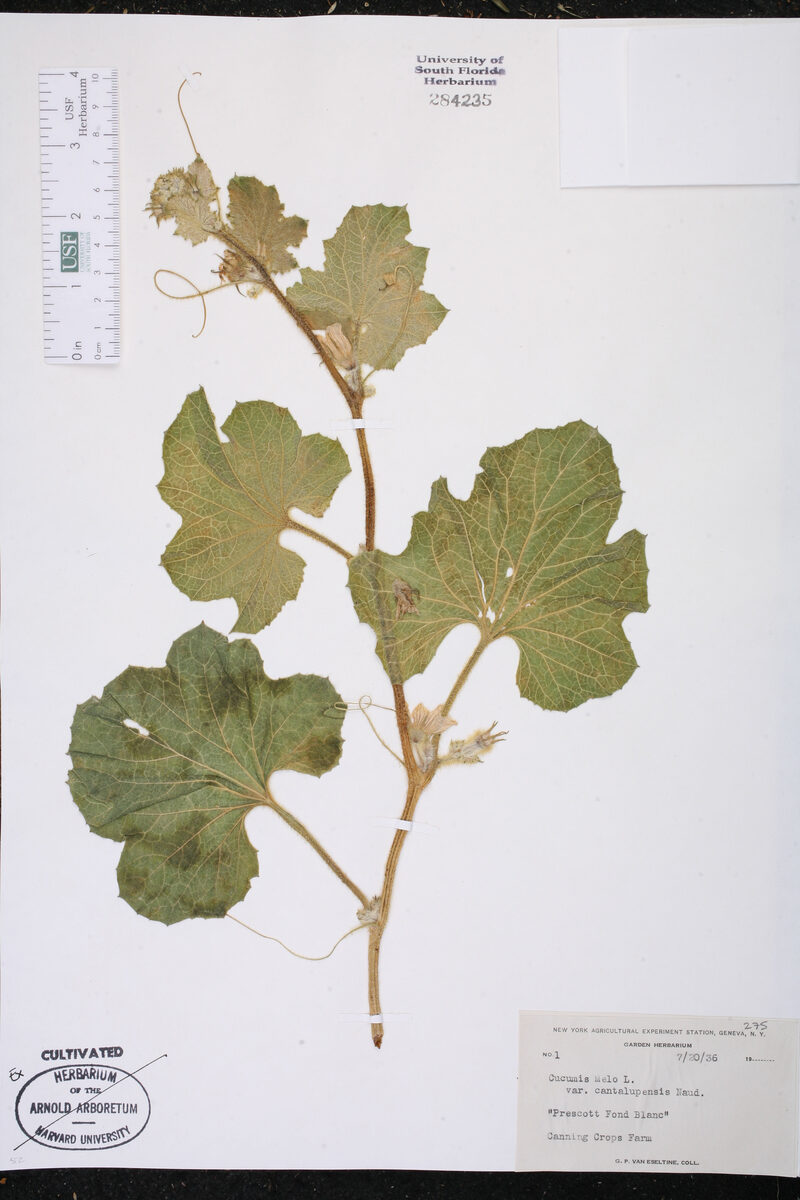
Cucumis melo cantalupensis
Cantaloupe Melon
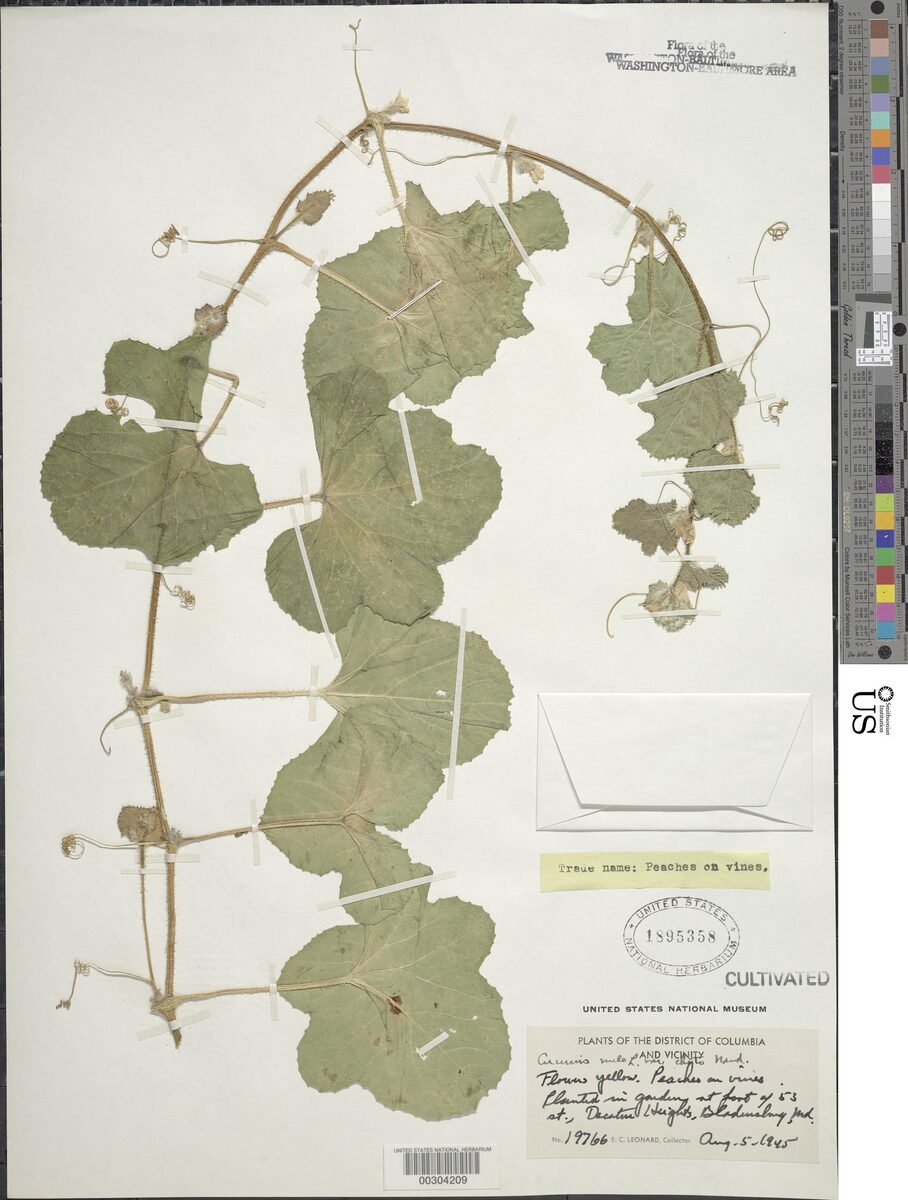
Cucumis melo chito - (C.Morren.)Naudin.
Orange Melon
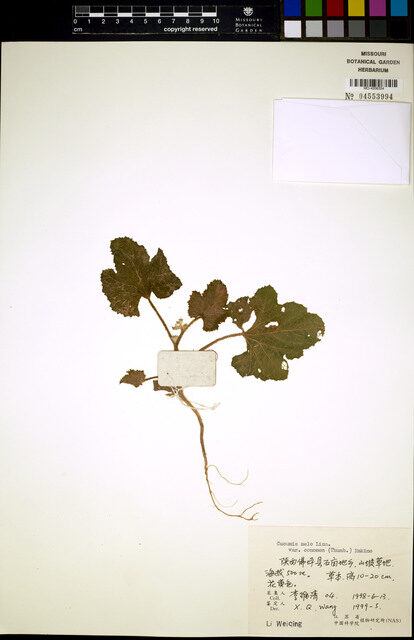
Cucumis melo conomon - (Thunb.)Makino.
Pickling Melon
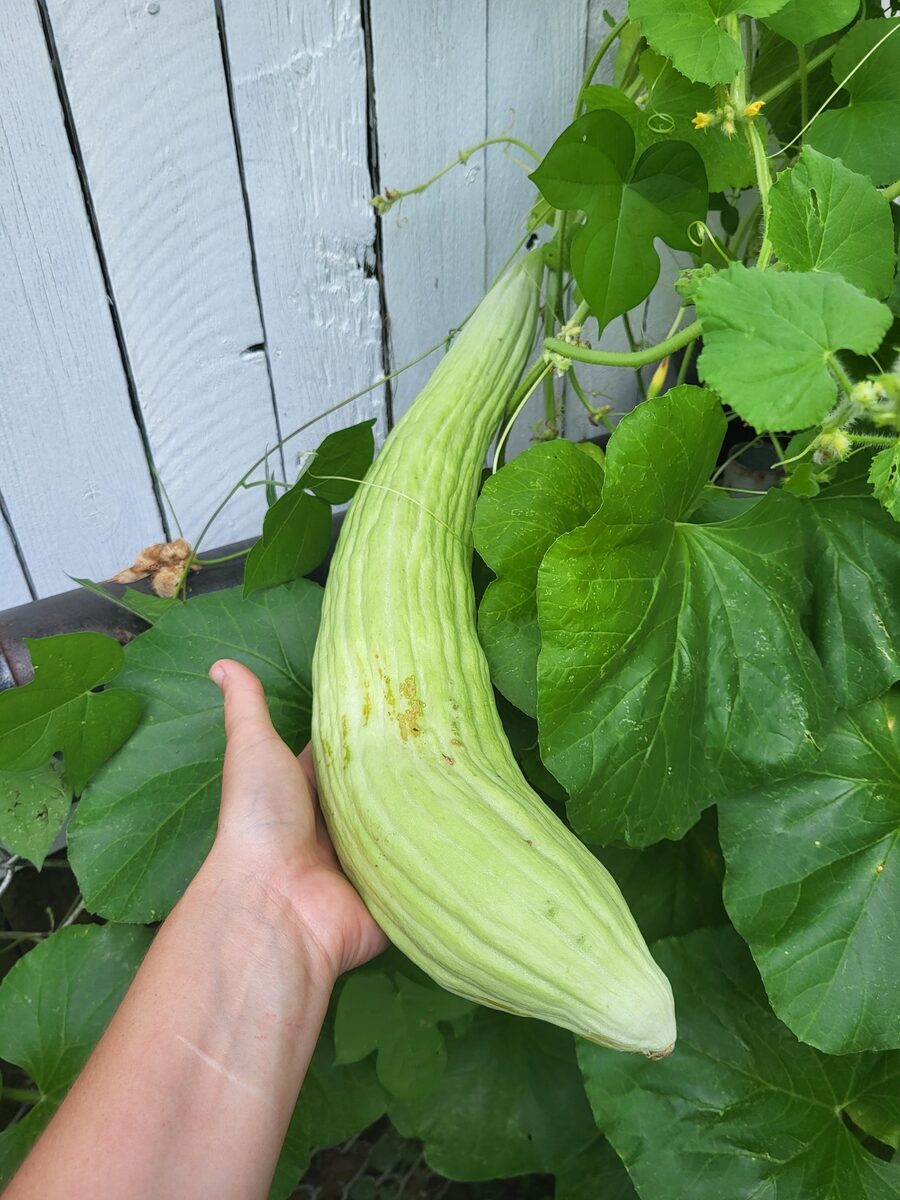
Cucumis melo flexuosus - (L.)Naudin.
Serpent Melon
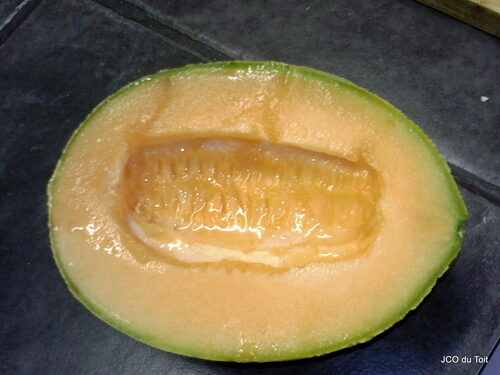
Cucumis melo inodorus
Honeydew Melon
Cucumis melo momordica - (Roxb.)Duthie.&J.B.Fuller.
Snap Melon