Acacia nilotica
(L.) Delile
iNaturalist· cc-by-nc
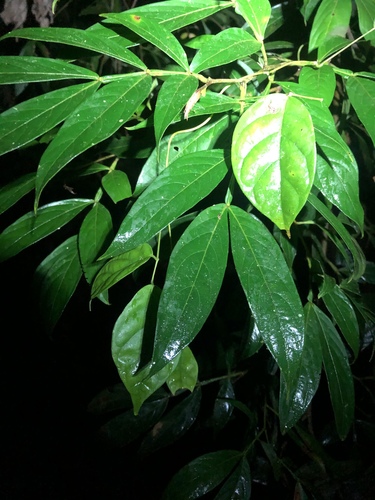
(c) Grant Reed, some rights reserved (CC BY-NC)
iNaturalist· cc-by-nc
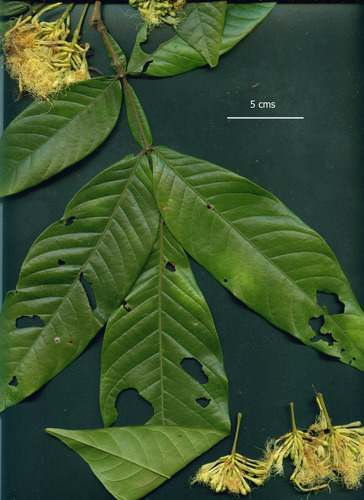
(c) Grant Reed, some rights reserved (CC BY-NC)
iNaturalist· cc-by-nc
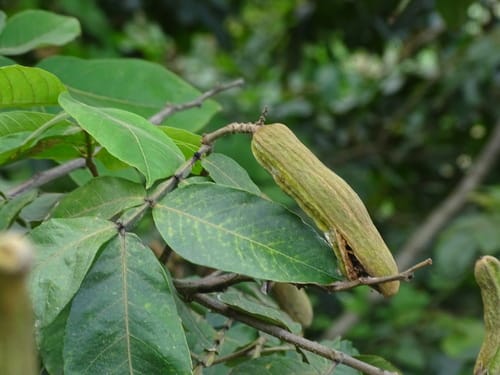
(c) Grant Reed, some rights reserved (CC BY-NC)
Description
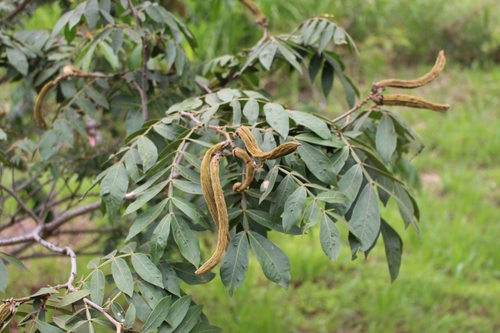
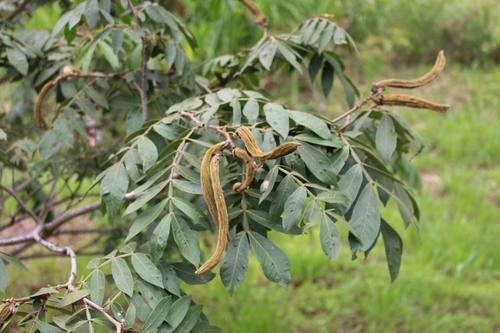
A shrub or small tree. It grows 5 m tall. There are prickles along the stem. The leaves are twice divided and there are 8-18 pairs of pinnae. There are up to 50 pairs of pinnules on each pinnae. The flowers are yellow. They are in large clusters at the ends of branches. The pods are flattened.
Edible Uses
The seeds are roasted and eaten, the gum is chewed, and the plant is used for fermentation and jam-making.
Traditional Uses
It is used for fermentation and for jam. The gum is chewed. The seeds are roasted and eaten.
This uses section is brief — help expand it
Medicinal Uses
Two new antiprotozoal diterpenes have been isolated from the root bark of Acacia nilotica.
Distribution
It is a tropical plant. It grows near rivers. It grows from sea level to 500 m above sea level. It can tolerate seasonal flooding. It can with stand drought. It is highly salt tolerant.
Where It Grows
Africa, Burkina Faso, Cameroon, Chad, East Africa, Ethiopia, Gambia, Ghana, Guinea, Guinee-Bissau, Kenya, India, Libya, Mali, Middle East, Nepal, Niger, Nigeria, North Africa, Pakistan, Sahel, Senegal, Somalia, Sudan, Togo, United Arab Emirates, UAE, West Africa, Yemen,
Cultivation
It can be grown from seed.
Synonyms
Also Known As
Babool, Babul, Baval, Kikar, Kikhar, Kikr, Musemei, Musemeli, Qaradh, Sindhi babur, Sunt, Sunut
References (9)
- Al-Fatimi, M., 2021, Wild edible plants traditionally collected and used in southern Yemen. J Ethnobiology Ethnomedicine (2021) 17:49
- Bahru, T., et al, 2013, Wild Edible Plants: Sustainable Use and Management by Indigenous Communities in and the Buffer Area of Awah National Park, Ethiopia. Ethiop. J. Sci., 36(2): 93-108
- Karim, F. M. & Dakheel, A, J., 2006, Salt-tolerant plants of the United Arab Emirates. 2006. International Center for Biosaline Agriculture, Dubai, UAE. p 101
- Kiran, K. C., et al, 2019, Diversity and Seasonal Availability of Potential Wild Edible Plants from Vidarbha Region of Maharashtra State, India. Int.J.Curr.Microbiol.App.Sci (2019) 8(2): 1434-1446
- Mahklouf, M. H., 2019, Ethnobotanical Study of Edible Wild Plants in Libya. European Journal of Ecology. 5(2): 30-40
Show all 9 references Hide references
- Mahony, D., 1991, Trees of Somalia. A Field Guide for Development Workers. Oxfam Research Paper 3. p
- Majeed, M., et al, 2021, Gathered Wild Food Plants among Diverse Religious Groups in Jhelum District, Punjab, Pakistan. Foods 2021, 10, 594.
- Mutie, F. G., 2020, Conservation of Wild Food Plants and Their Potential for Combatting Food Insecurity in Kenya as Exemplified by the Drylands of Kitui County. Plants 2020, 9, 1017
- Pradhan, R., et al, 2020, Potential Wild Edible Plants and its Significance in Livelihood of Indigenous People of Male Mahadeshwara Hills, Karnataka. Economic Affairs Vol. 64, No. 4 pp. 01-14