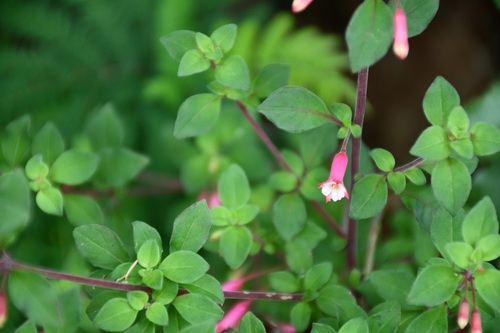
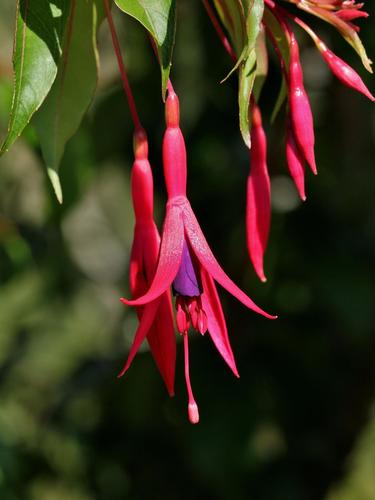
Oenothera tetraptera
Cav.
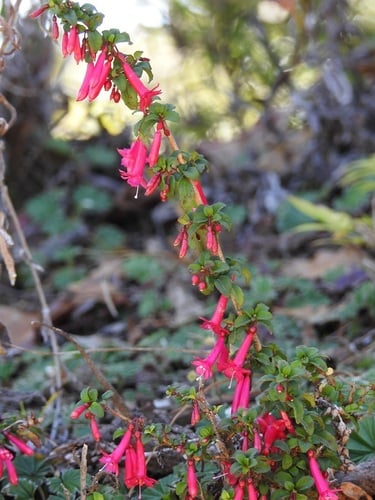
iNaturalist· cc-by-nc
(c) Gigi Laidler, some rights reserved (CC BY-NC), uploaded by Gigi Laidler
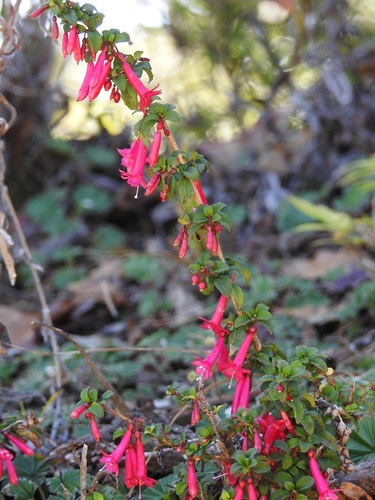
iNaturalist· cc-by-nc
(c) Diego Manzano Méndez, some rights reserved (CC BY-NC), uploaded by Diego Manzano Méndez
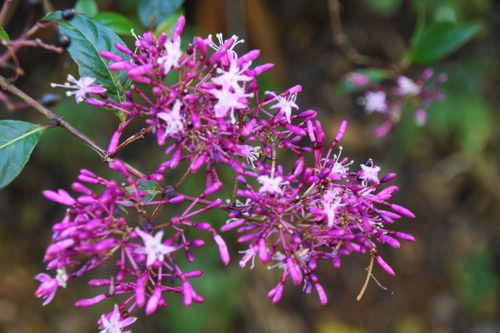
iNaturalist· cc-by-nc
(c) ave flores, some rights reserved (CC BY-NC), uploaded by ave flores
Summary
Source: WikipediaOenothera tetraptera, known as fourwing evening primrose, is a species of flowering plant in the evening primrose family (Onagraceae) native to the Americas. It has widely naturalized in other areas, including southern Africa, Europe, Asia, and Oceania. Oenothera tetraptera was first formally named by Spanish botanist Antonio José Cavanilles in 1796. It is an annual or short-lived perennial herb growing 15–50 cm (0.5–1.6 ft) tall. The four-petaled, white flowers open around sunset. Each petal grows up to 3.8 cm (1.5 in) in length and the flowers change from white to pinkish purple as they age. The fruit is a hairy, obovoid capsule, 7–18 mm in length with wings 2–3 mm wide on the valves, for which the species was named.
Description
A herb. It grows 15-50 cm tall. It can form clumps. The leaves are narrowly oval and 3-10 cm long by 1-3 cm wide. Flowers open near sunset. They are white.
Edible Uses
The leaves are eaten as a vegetable.
Traditional Uses
The leaves are eaten as a vegetable.
This uses section is brief — help expand it
Distribution
It is a subtropical plant.
Where It Grows
Asia, Central America, China, Colombia, Costa Rica, Mexico, Panama, South Africa, Southern Africa, South America, Venezuela,
Synonyms
References (2)
- Ruiters-Welcome, A. K., 2019, Food plants of southern Africa. Ph.D. thesis. Univ. of Johannesburg p 83
- Welcome, A. K. & Van Wyk, B.-E., 2019, An inventory and analysis of the food plants of southern Africa. South African Journal of Botany 122 (2019) 136–179