Euphorbia hypericifolia
L.
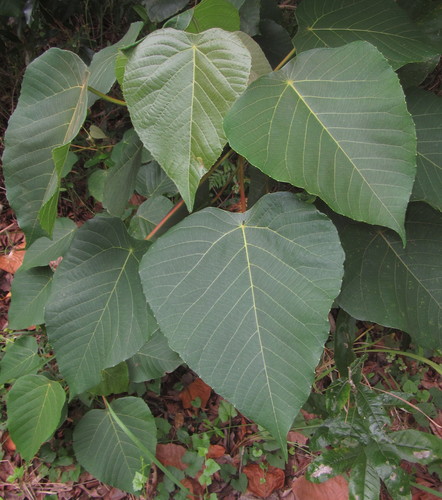
iNaturalist· cc-by-nc
(c) Wayne Fidler, some rights reserved (CC BY-NC), uploaded by Wayne Fidler
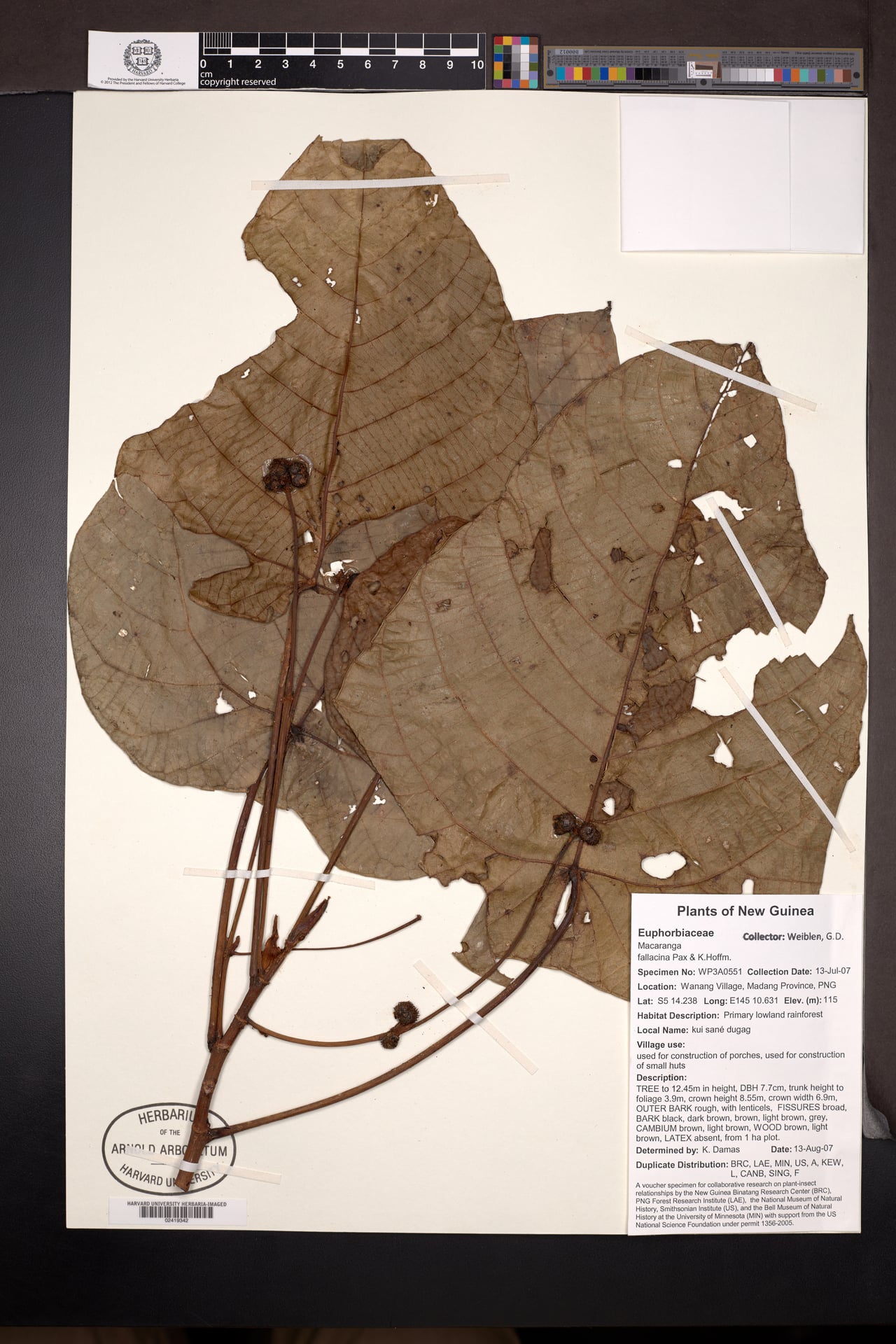
iNaturalist· cc-by
(c) Roberto Daniel Avila, some rights reserved (CC BY), uploaded by Roberto Daniel Avila
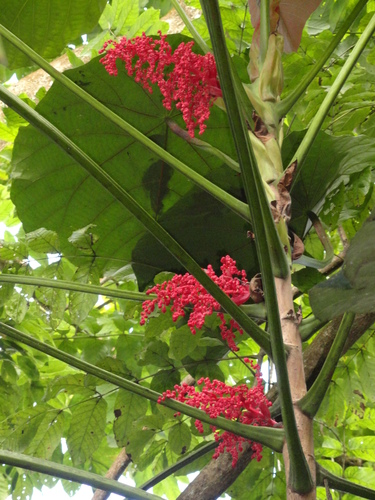
iNaturalist· cc-by-nc
(c) Lijin Huang (紫楝), some rights reserved (CC BY-NC), uploaded by Lijin Huang (紫楝)
Summary
Source: WikipediaEuphorbia hypericifolia (commonly known as graceful spurge, golden spurge, and chickenweed) is a species of perennial herb in the genus Euphorbia native to tropical Americas. It normally grows up to 2 feet (0.6 m) in height, and contains milky sap which can cause skin and eye irritation.
Description
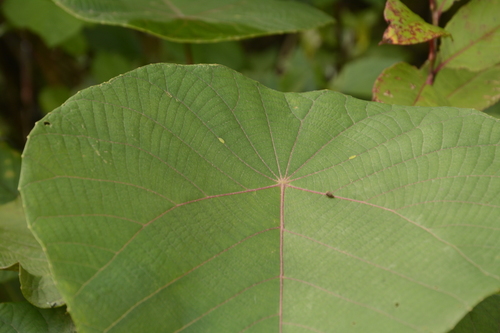
A herb. It grows each year from seed. It grows 15-30 cm tall. The leaves are narrowly oblong and 1-2.5 cm long by 4-8 mm wide. They are light green underneath.
Edible Uses
The leaves are used as a flavouring and preservative.
Traditional Uses
The leaves are used as a flavouring and preservative.
This uses section is brief — help expand it
Medicinal Uses
The principal use of this plant in tropical and subtropical America is in a decoction or infusion of the leaves and roots for the treatment of a wide variety of gastro-intestinal disorders with watery and mucous discharges. It is also used in the treatment of gonorrhoea, menorrhagia, leucorrhoea, pneumonia and bronchitis. The leaves have a sweetish taste, followed by a sensation of harshness. The latex is taken in water as a purgative. The latex is applied as a caustic on cuts and wounds A vapour bath of the leaf decoction is applied to treat headache.. The plant is considered astringent and calming. A plant decoction is taken to treat diarrhoea, dysentery and colic. From the aerial parts aliphatic alcohols have been isolated as have the sterols taraxerol, β-sitosterol, stigmasterol, campestol and the flavonoids kaemferol, quercetin, quercetrin (quercetin-3-rhamnoside), rhamnetin-3-galactoside, rhamnetin-3-rhamnoside and ellagic acid. Leaf extracts showed significant growth inhibitory effect against Aspergillus flavus in vitro, and also inhibited the production of aflatoxins almost completely, with greater inhibition at higher concentrations.
Known Hazards
Although we have seen no specific information for this plant, the latex in most, if not all Euphorbias is caustic and toxic - skin contact often causing irritation and blistering; contact with the eyes causing temporary or even permanent blindness; whilst ingestion can cause purging or more severe problems.
Distribution
It is a subtropical plant.
Where It Grows
Africa, Argentina, Asia, Central America, China, Costa Rica, Nicaragua, North America, Pakistan, South Africa, Southern Africa, USA, West Indies,
Cultivation
Originally from tropical America, the plant has spread as a weed into many areas of the tropics,
References (2)
- Ruiters-Welcome, A. K., 2019, Food plants of southern Africa. Ph.D. thesis. Univ. of Johannesburg p 54
- Welcome, A. K. & Van Wyk, B.-E., 2019, An inventory and analysis of the food plants of southern Africa. South African Journal of Botany 122 (2019) 136–179