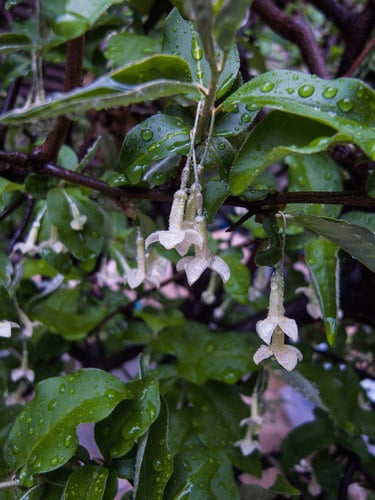
Shepherdia rotundifolia
Parry
Roun-leaf buffaloberry
iNaturalist· cc-by-nc
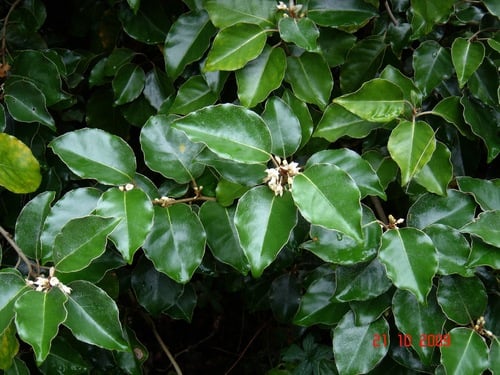
(c) Craig Ontl, some rights reserved (CC BY-NC), uploaded by Craig Ontl
iNaturalist· cc-by-nc
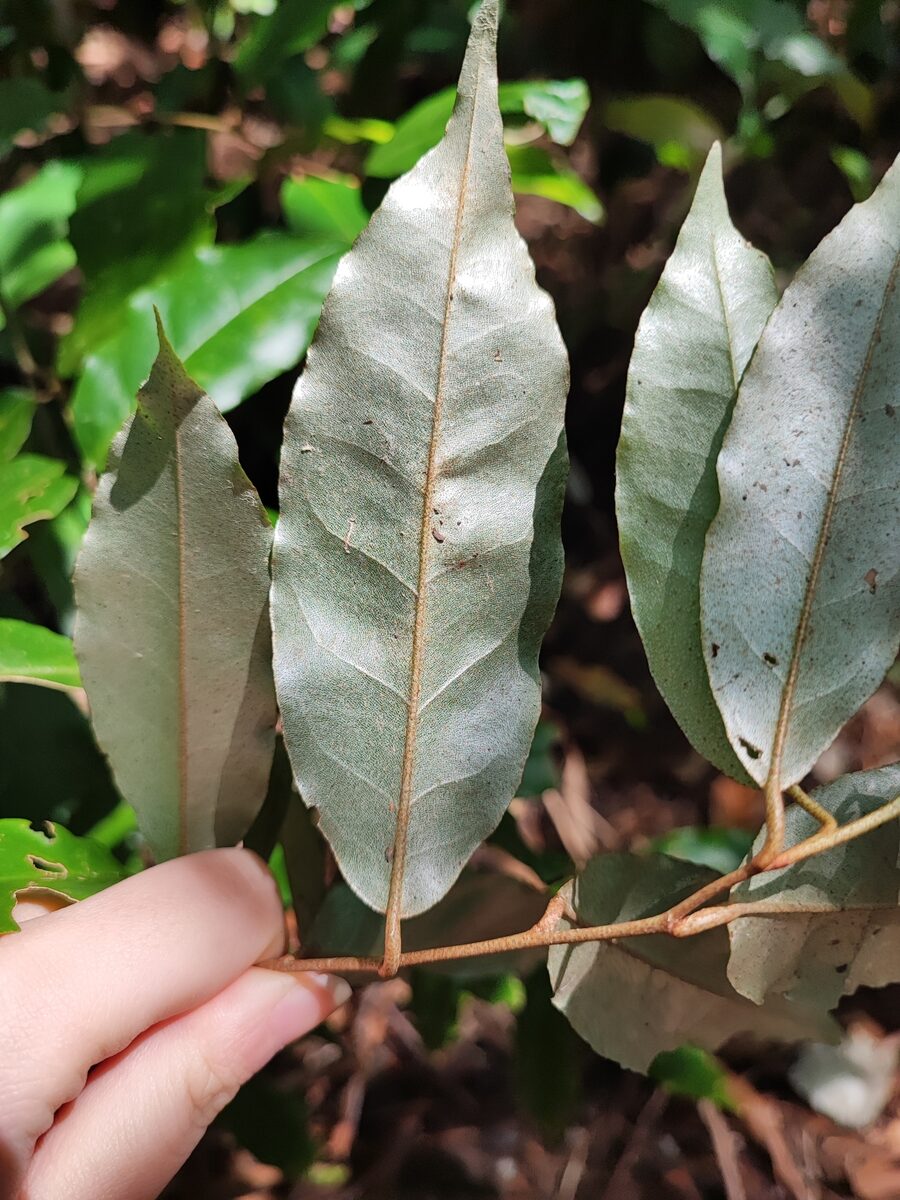
(c) riversmith, some rights reserved (CC BY-NC), uploaded by riversmith
iNaturalist· cc-by-nc
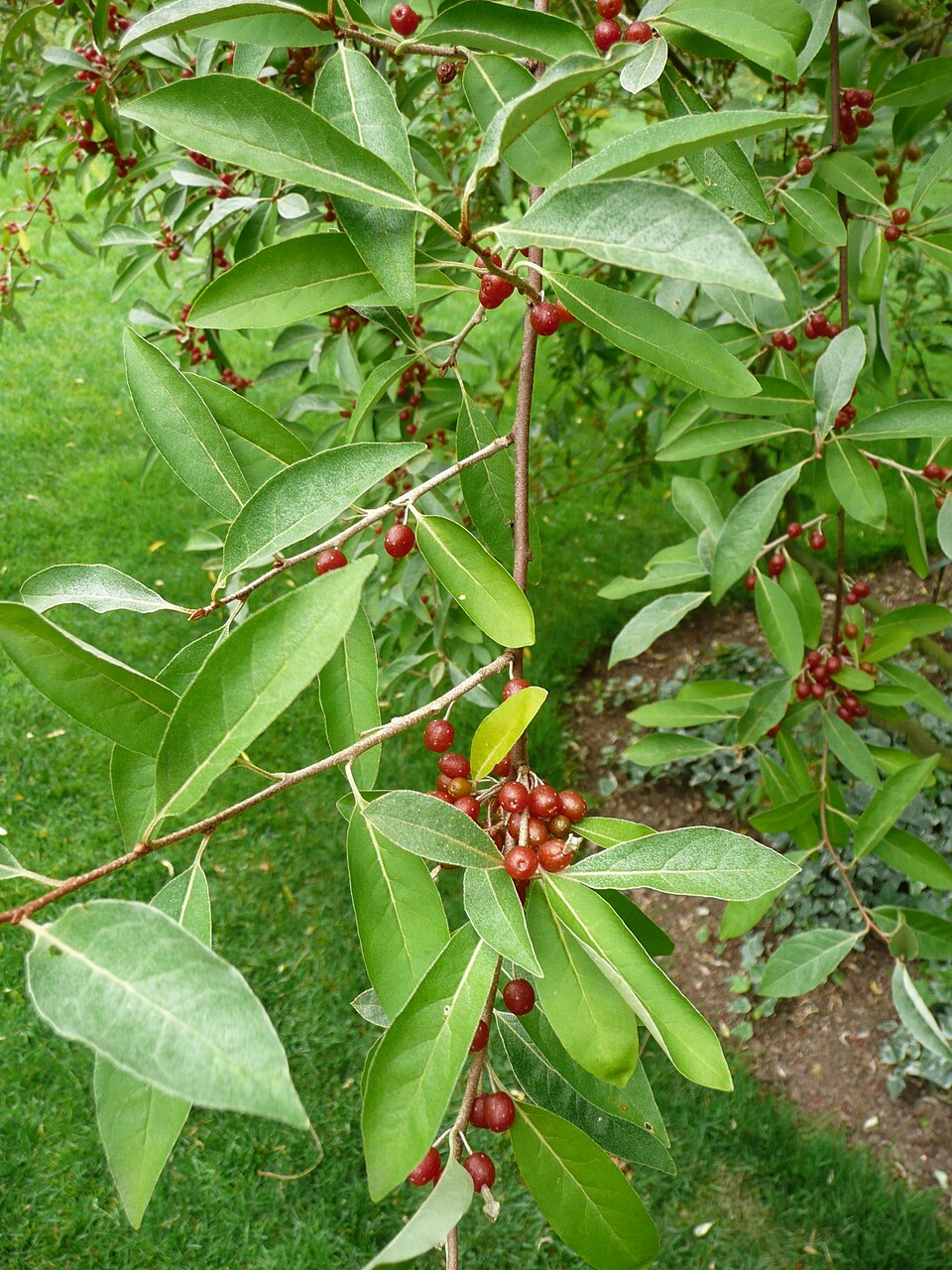
(c) 🌱 Aaron Lincoln 🌱, some rights reserved (CC BY-NC), uploaded by 🌱 Aaron Lincoln 🌱
Summary
Source: WikipediaShepherdia rotundifolia, the roundleaf buffaloberry or silverleaf, is a 3-to-6-foot (1-to-2-meter) evergreen shrub in the oleaster family (Elaeagnaceae) that grows only in the Colorado Plateau (endemic) of the southwestern United States. The common name comes from western settlers using the cooked berries in a sauce for eating cooked buffalo meat.
Description
A compact shrub. It grows 1.3 m tall. The leaves are thick and silvery above but with yellow hairs underneath. The fruit is yellow.
This description is brief — help expand it
Edible Uses
The berries are edible, though not widely consumed due to their taste and texture. They are small and red, and can be eaten raw or processed. Raw fruits have a bitter and astringent taste that makes them less appealing as a fresh snack. When ripe, fruits are reddish-orange, though silvery-green and well camouflaged before maturity. They are large (roughly grape-sized), with about half their volume as juicy pulp and the other half a hard stone. The skins are weakly attached and covered in silvery hairs that are irritating to eat. The flavour is sweet, tart, and slightly bitter — similar to citrus rind — without the soapy quality found in related species. The hairs on the skin can cause throat discomfort (itching, burning, or swelling) if eaten in large amounts. The most effective way to remove the irritating hairs is to mash the fruits in water and strain out the solids; peeling or cooking methods are impractical and do not remove the hairs. Fruits ripen in summer to autumn depending on rainfall, and while they can be abundant in good years, production is unreliable even after heavy flowering. Consumption should be moderate, as large quantities may cause digestive discomfort due to bitterness and the potential presence of saponins. The berries are best used in combination with other ingredients — such as in jams, syrups, or fermented beverages — to balance their bitterness. Overall this is an inconsistent and low-quality wild food despite the plant's abundance in some years.
Medicinal Uses
The berries are believed to have antioxidant properties and have been used in traditional medicine for various ailments.
Known Hazards
While edible, consumption should be moderate, as large quantities may cause digestive discomfort for some people due to their bitterness and potential presence of saponins, a natural compound found in many plants.
Distribution
It is a temperate plant. It grows in rocky areas in the desert.
Where It Grows
Native to: Arizona, Utah.
Cultivation
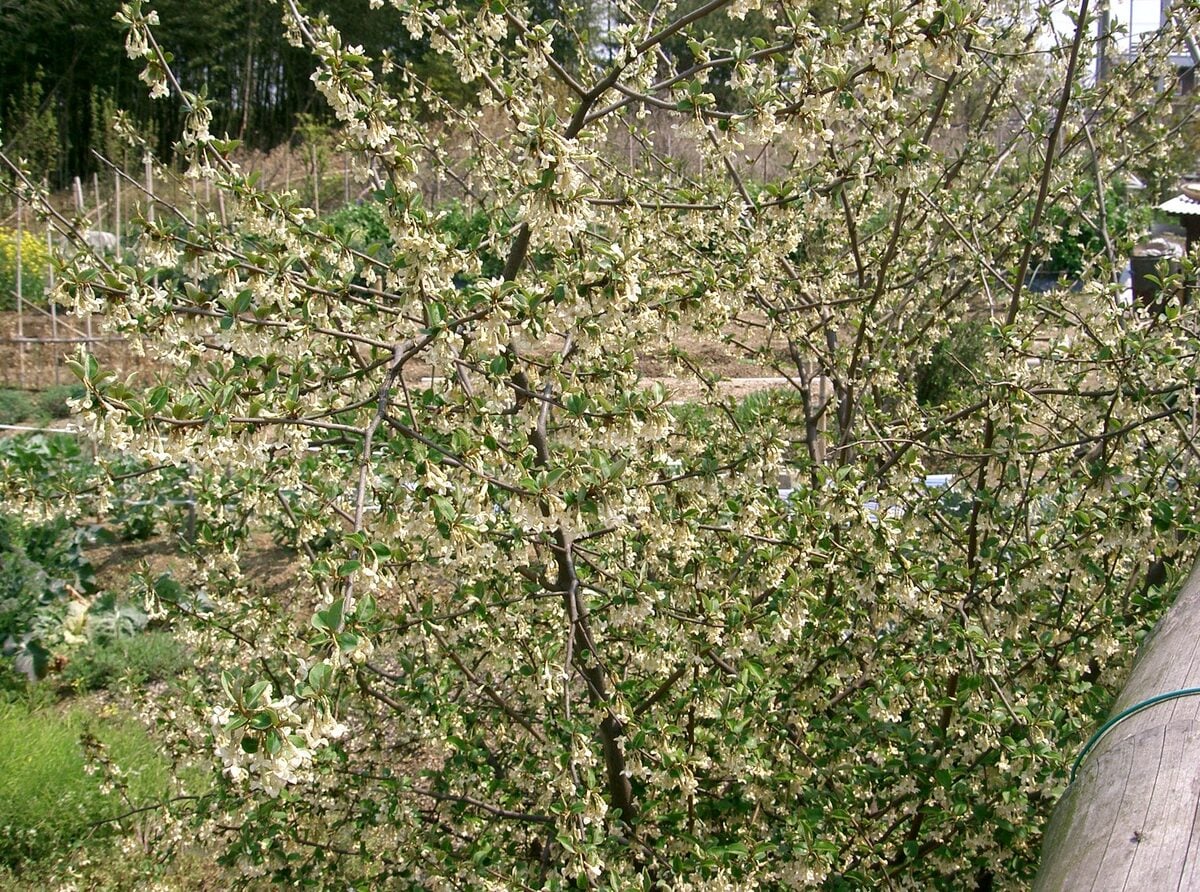
Soil Texture: Thrives in light (sandy) and medium (loamy) soils. It is well-adapted to rocky or gravelly soils, typical of its native arid habitats. Soil Moisture: Prefers dry soils and is highly drought-tolerant once established. It does not tolerate waterlogged or consistently wet conditions. Drainage: Requires excellent drainage, as it is adapted to arid and semi-arid conditions where water retention is low. Soil pH: Tolerates a wide range of pH levels, from slightly acidic to alkaline soils, and grows well in calcareous soils. Saline Tolerance: Moderately tolerant of saline soils, making it suitable for some arid and semi-arid regions with salinity issues. Tolerance of Poor Soil: It thrives in poor, nutrient-deficient soils, particularly in desert environments, due to its nitrogen-fixing ability. Light Requirements: Requires full sun for optimal growth and fruit production. It does not perform well in shaded conditions. Height: Typically grows to about 1–2 meters (3–6 feet) tall, forming a dense, rounded shrub. Pollination: bees, flies, and wind. The plant is dioecious, meaning male and female flowers occur on separate plants, so both sexes are needed for fruit production. Temperature: In USDA zones 5–8, it tolerates extreme heat and cold, thriving in arid and semi-arid climates. Drought Tolerance: Extremely drought-tolerant once established, making it an ideal choice for xeriscaping. Flowering and Fruiting: Produces small, yellowish flowers in early spring, followed by edible red to orange berries on female plants in late summer, provided a male plant is nearby for pollination. Wildlife: The berries attract birds and mammals, while the dense foliage provides shelter for small animals. Pests and Diseases: Generally pest- and disease-free. Overwatering can lead to root rot or fungal issues. Pruning: Minimal pruning is required, but shaping can be done to maintain a compact form or control its spread. The native range of this species is from Utah to Arizona. It is a shrub and grows primarily in the temperate biome. The berries are typically harvested in late summer to early autumn, around August to September (Northern hemisphere), once they have ripened. Buffalerry usually flowers in the spring, around April to May (Northern hemisphere), depending on the species and environmental conditions. Buffaloberry is a relatively slow-growing shrub, reaching maturity in about 3 to 5 years. It can grow to a height of about 1 to 3 meters (3 to 10 feet) and is well-suited to a variety of soil conditions, including dry and rocky soils. Buffaloberry plants are dioecious, which means that separate male and female plants are required for fruit production.
Propagation
Propagate by seed or cuttings. Seeds benefit from cold stratification for improved germination.
Other Uses
Well suited for erosion control, as a hedge or windbreak, and in native plant gardens. The berries are an important food source for birds and mammals, and the dense, thorny shrubs offer excellent shelter for wildlife, with branches used by birds for nesting. The dense shrubs and rough bark provide overwintering sites for insects, and leaf litter offers cover for ground-dwelling invertebrates. The flowers are typically small and wind-pollinated, providing little nectar or pollen for pollinators.
Synonyms
Also Known As
Roundleaf buffaloberry or Silverleaf.
References (1)
- Anderson, B. A., (Rev.) 1996, Desert Plants of Utah. Utah State University Extension p 24