Tecticornia indica
(Willd.) K. A. Sheph. & Paul G.. Wislon
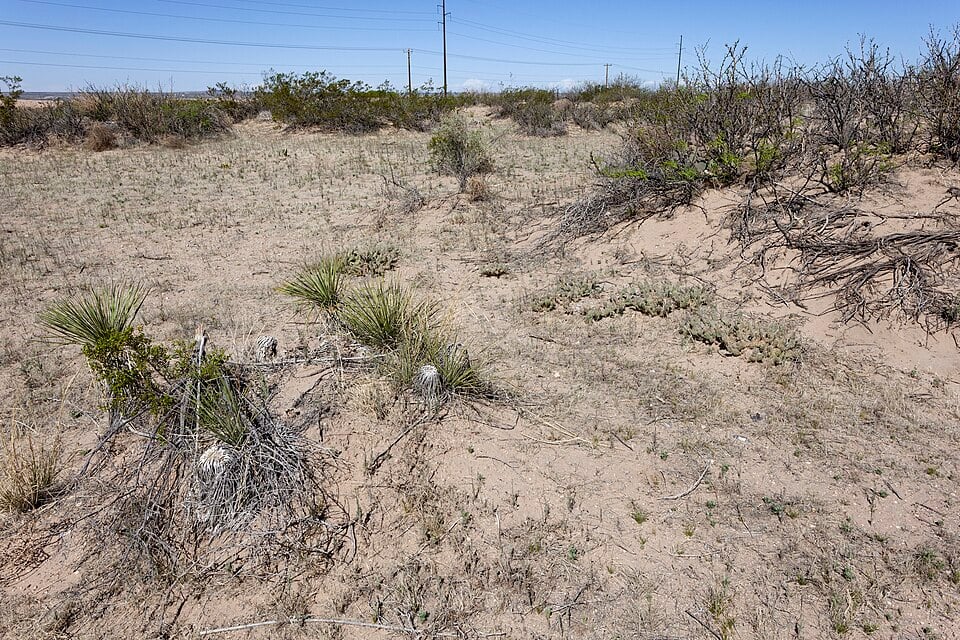
iNaturalist· cc-by-nc
(c) geoffbyrne, some rights reserved (CC BY-NC)
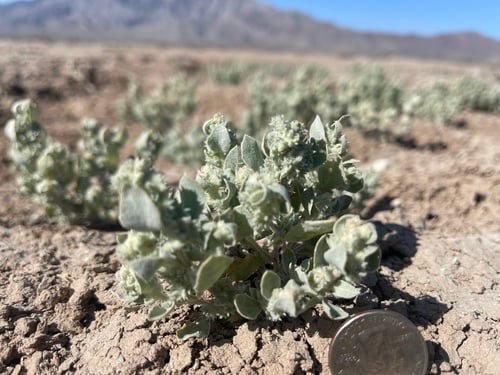
iNaturalist· cc-by-nc
(c) Geoffrey Sinclair, some rights reserved (CC BY-NC), uploaded by Geoffrey Sinclair
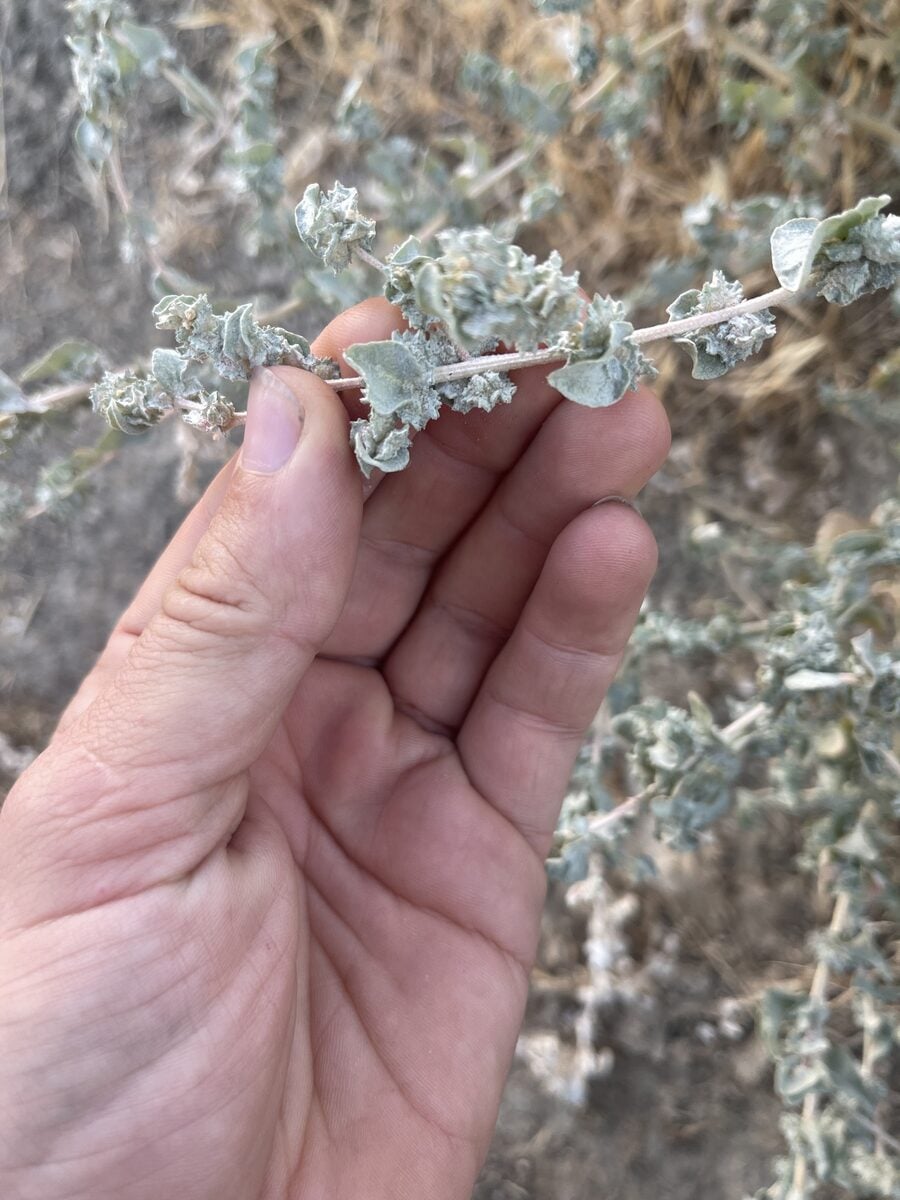
iNaturalist· cc-by-nc
(c) Jock Mackenzie, some rights reserved (CC BY-NC), uploaded by Jock Mackenzie
Summary
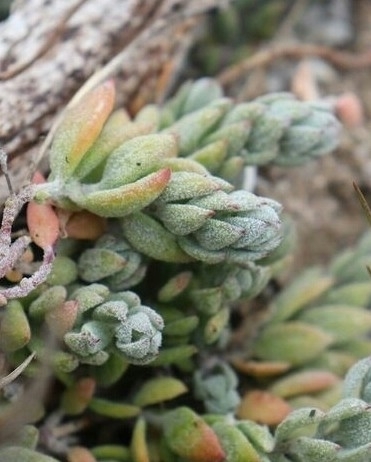
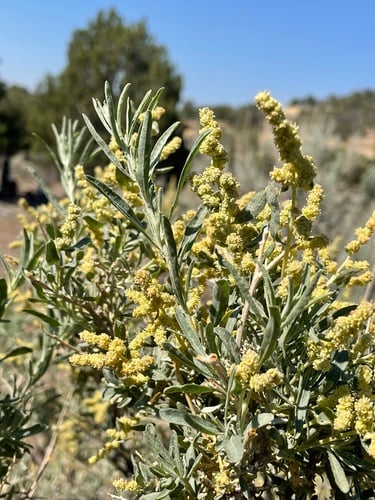
Source: WikipediaTecticornia indica is a species of plant that is succulent and halophyte (salt tolerant) which grows in salt marshes on tropical areas of the world. This plant belongs to the Chenopodiaceae, which are now included in family Amaranthaceae. These plants lack leaves. Stem & branches are modified as main photosynthetic structures. The Stem is jointed. Flowers are said to be fine and present in scales. The fruit of this plant is round and green. Capsule is hard and it contains many seeds that are hairy. The seeds are dimorphic. The Walmajarri people of the southern Kimberley call this plant Mungily.
Description
A herb. It does not have leaves but has stems and branches modified to use sunlight. The stem is jointed. Flowers are round and green. The capsule contains many seeds.
Distribution
It grows in warm temperate to tropical conditions. It grows in salt marshes.
Where It Grows
Africa, Angola, Australia, Bangladesh, India, Indonesia, Kenya, Mauritania, Mozambique, Pakistan, SE Asia, Senegal, Somalia, South Africa, Southern Africa, Sri Lanka, Tanzania, Vietnam,
Notes
The name is ambiguous.
Synonyms
References (1)
- World Checklist of Useful Plant Species 2020. Royal Botanic Gardens, Kew