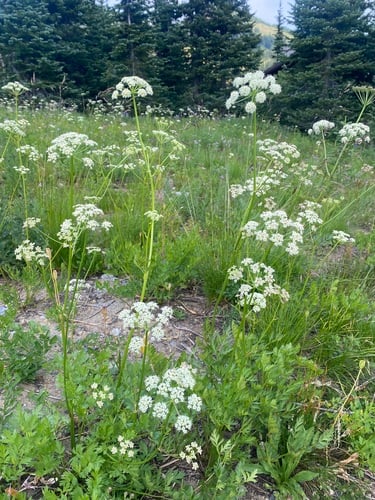
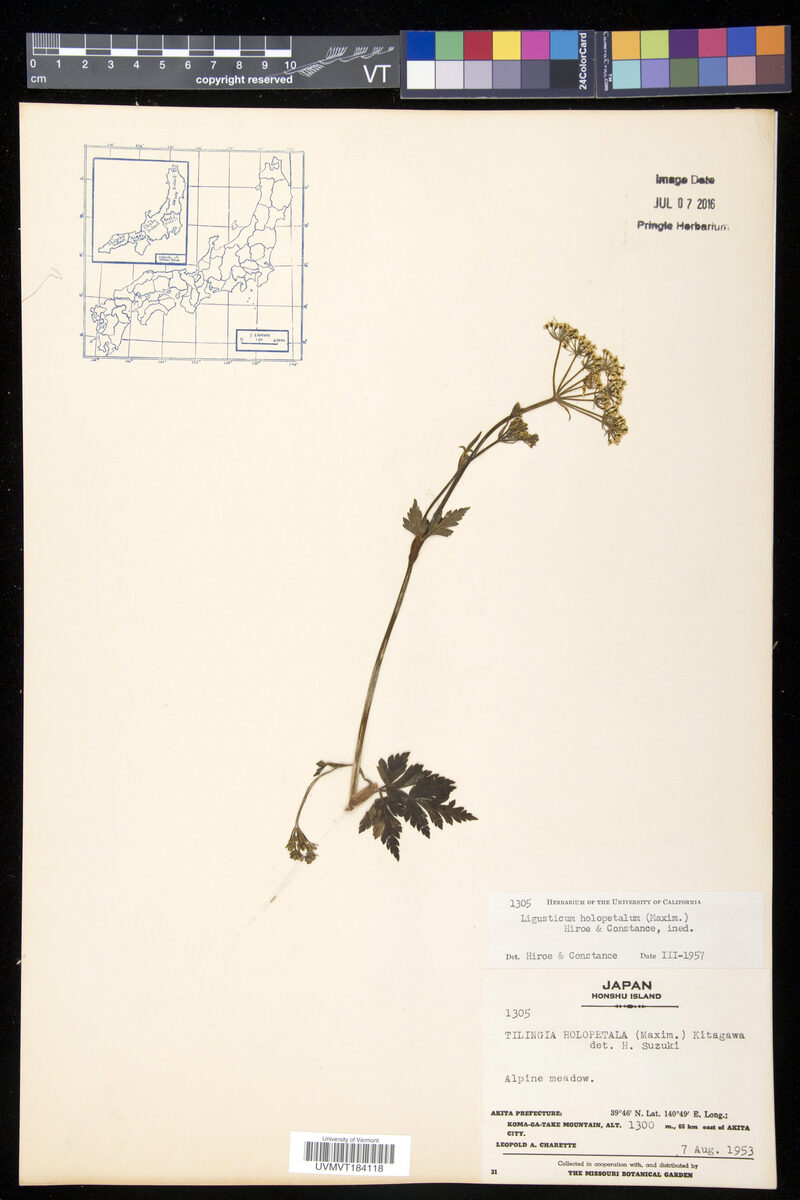
Berula erecta subsp. thunbergii
(DC.) B. L.Burtt
Toothache root, Water parsnip
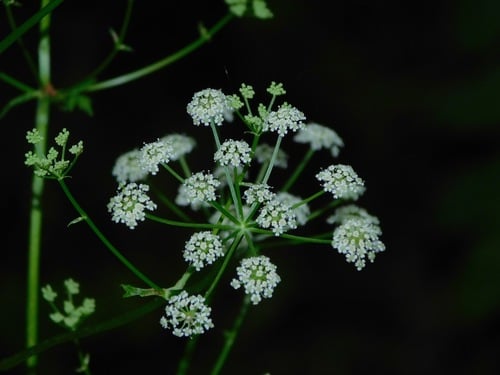
iNaturalist· cc-by-nc
(c) Alan Dandie, some rights reserved (CC BY-NC), uploaded by Alan Dandie
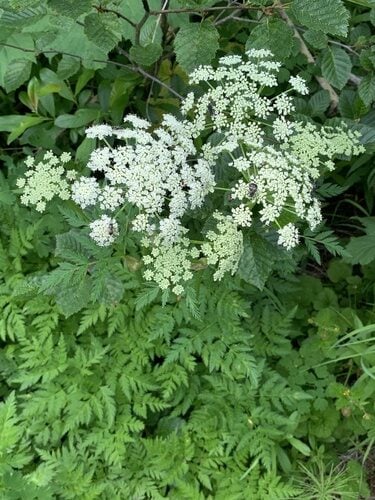
iNaturalist· cc0
no rights reserved, uploaded by Harald Schnöde (Schnde)
iNaturalist· cc-by-nc
(c) Sergey Mayorov, some rights reserved (CC BY-NC), uploaded by Sergey Mayorov
Summary
Source: WikipediaBerula erecta, known as lesser water-parsnip, cutleaf waterparsnip, or narrow-leaved water-parsnip, is a member of the carrot family. Growing to around 1 m (3 ft) tall, it is found in or by water. It is widespread across much of Europe, Asia, Australia, and North America. Berula erecta has a hollow stem. Underwater leaves consist of compound with thread-like lobes; leaves above the surface of the water are flatter and broader. The plant produces many small white flowers in a compound umbel.
Description
A perennial herb in the parsley family, growing 20 cm to 1.8 m tall and occurring in water in subtropical regions. In South Africa it is found at elevations between 1-2,105 m.
Edible Uses
Leaves are cooked and eaten as a vegetable.
Traditional Uses
The leaves are cooked and eaten as a vegetable.
This uses section is brief — help expand it
Medicinal Uses
The Zuni people use Berula erecta as an ingredient of "schumaakwe cakes" and used it externally for rheumatism. An infusion of the whole plant is used as wash for rashes and athlete's foot infection. Some Native American peoples have been known to use Berula erecta for medicinal purposes. Berula erecta has been studied for its essential oil that has been believed to possibly have medicinal uses. The plant's essential oil has been shown to contain polyacetylenes. Polyacetylenes have a wide range of beneficial medicinal effects. One is its nematodicidal effects that could potentially be beneficial in agriculture as well its positive effects on human health. Polyacetylenes also are antifungal, antibacterial, and have antiallergenic and anti-inflammatory properties. However, medicinal use of pure polyacetylenes is not feasible due to their high chemical instability as well as a tendency to evoke allergic reactions. For this reason, consuming smaller and less pure amounts of polyacetylenes from the essential oil of Berula erecta may be viable. Following the first cut of the season, Berula erecta will likely regrow and produce flowers several times again in the same growing season.
Distribution
It is a subtropical plant. It grows in water. In South Africa it grows between 1-2,105 m above sea level.
Where It Grows
Africa, South Africa*, Southern Africa,
Synonyms
References (2)
- Ruiters-Welcome, A. K., 2019, Food plants of southern Africa. Ph.D. thesis. Univ. of Johannesburg p 19 (As Berula thunbergii)
- Welcome, A. K. & Van Wyk, B.-E., 2019, An inventory and analysis of the food plants of southern Africa. South African Journal of Botany 122 (2019) 136–179 (As Berula thunbergii)