Agave havardiana
Trel.
Harvard agave
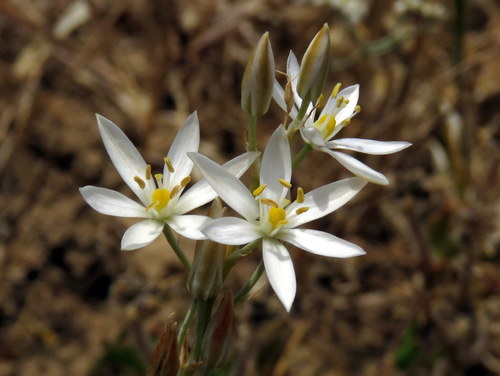
iNaturalist· cc-by-nc
(c) 🌱 Aaron Lincoln 🌱, some rights reserved (CC BY-NC), uploaded by 🌱 Aaron Lincoln 🌱
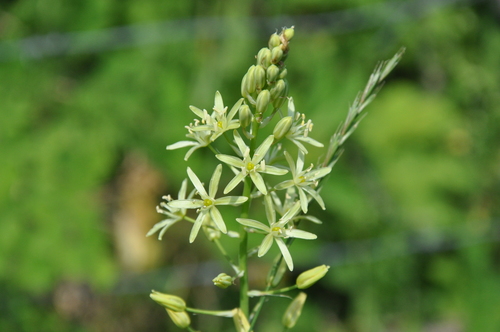
iNaturalist· cc-by-nc
(c) Curren Frasch, some rights reserved (CC BY-NC), uploaded by Curren Frasch
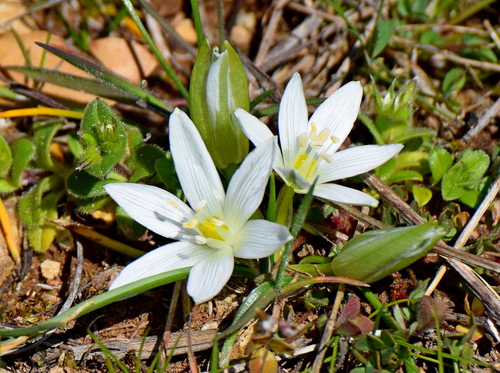
iNaturalist· cc-by-nc
(c) yallneedscience, some rights reserved (CC BY-NC)
Summary
Source: WikipediaAgave havardiana is a plant species native to the Big Bend area of western Texas as well as Chihuahua and Coahuila. It prefers grassy to rocky slopes or woodlands at elevations of 1200–2000 m. Agave havardiana is an acaulescent species forming rosettes low to the ground, sometimes creating suckers but not forming large colonies like some other species. Leaves are up to 70 cm (28 inches) long, with teeth along the margins and at the tip. Flowering stalks can be up to 7 m (23 feet) tall, with yellow to yellow-green flowers. Fruits are dry, oblong, up to 6 cm (2.4 inches) long. This species is under threat from habitat loss, mostly for cattle ranching.
Description
An agave. It forms rings close to the ground. It grows 1 m tall. It is succulent and has a tight ring of fleshy, broad cupped leaves that are silvery grey. It has sharp thorns near the ends of the leaves. The flower spikes can be 3 m tall.
Edible Uses
The stalks and flowers are potentially edible, though this is uncertain.
Distribution
It is a temperate plant. It is cold hardy. It suits hardiness zones 5-10.
Where It Grows
Mexico, North America, USA,
Cultivation
It can be grown by seeds or division of offsets.
References (1)
- World Checklist of Useful Plant Species 2020. Royal Botanic Gardens, Kew