Arenga micrantha
C. F. Wei
iNaturalist· cc-by
(c) chintan sheth, some rights reserved (CC BY), uploaded by chintan sheth
iNaturalist· cc-by
(c) Stephen Thorpe, some rights reserved (CC BY), uploaded by Stephen Thorpe
iNaturalist· cc-by
(c) Stephen Thorpe, some rights reserved (CC BY), uploaded by Stephen Thorpe
Summary
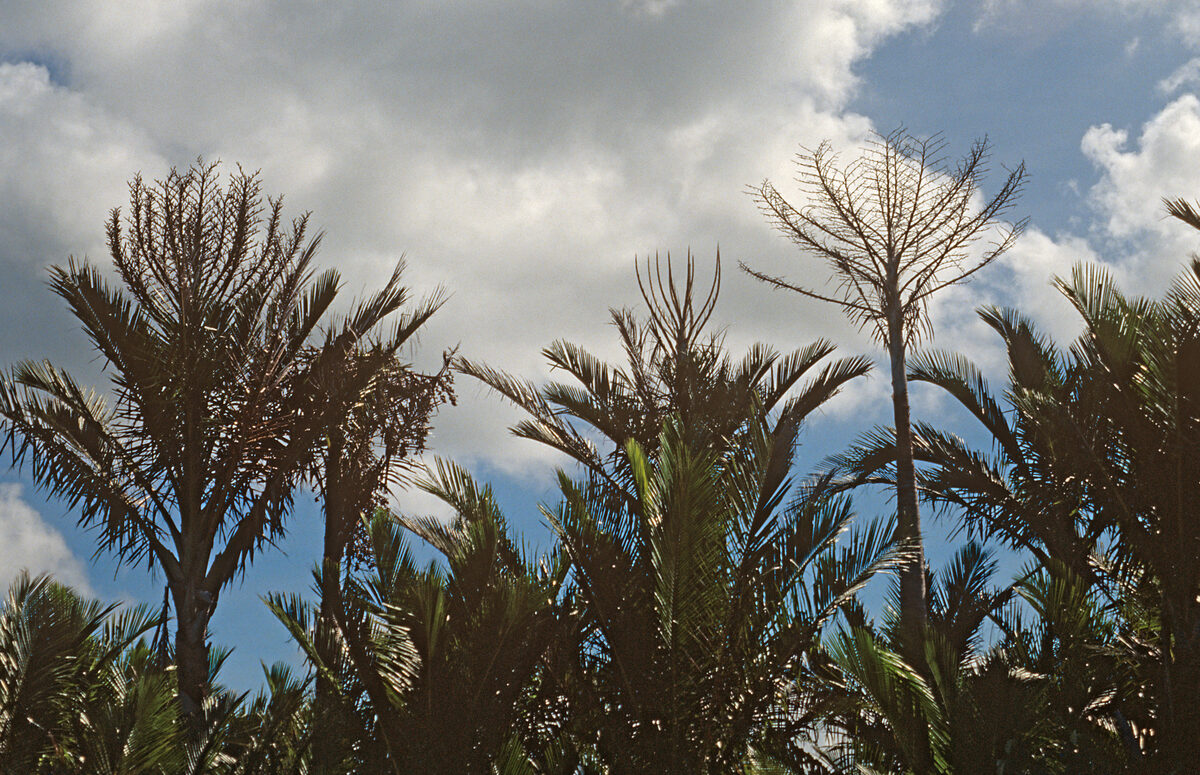
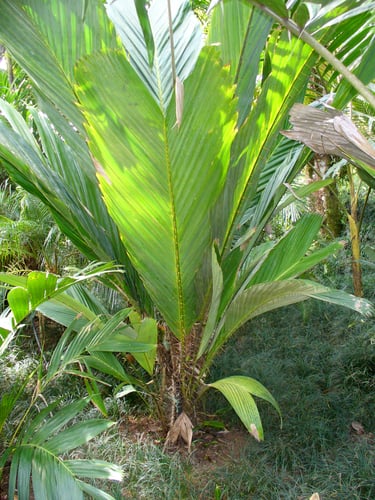
Source: WikipediaArenga micrantha, also known as the Tibetan sugar palm, is a species of flowering plant in the family Arecaceae, found in the cloud forests of Tibet, Bhutan, and North-East India. Its natural habitat is subtropical or tropical moist lowland forests, between 1400 and 2150 m. It is threatened by habitat loss. It is a solitary palm that grows up to 6m in height and 20 cm in diameter, with 3m long leaves and 1m long inflorescences. It requires pollination to fruit, and rarely flowers. It is probably the most cold hardy species in the genus. It is sometimes used as material to build shelters.
Description
A palm. It has a single stem 2-8 m tall. The leaf stalks are 1 m long. The leaves are 2 m long with many leaflets along each side. The middle ones are 30-36 cm long by 3-4 cm wide. The flowering shoots are 980-100 cm long.
Edible Uses
The palm heart and cabbage are eaten.
Distribution
It is a tropical plant.
Where It Grows
Asia, China, Tibet,
Also Known As
Ta-shi
References (2)
- Li, S., et al, 2020, Monpa, memory, and change: an ethnobotanical study of plant use in Mêdog County, South-east Tibet, China. Journal of Ethnobiology and Ethnomedicine. (2020) 16:5 p 16
- World Checklist of Useful Plant Species 2020. Royal Botanic Gardens, Kew