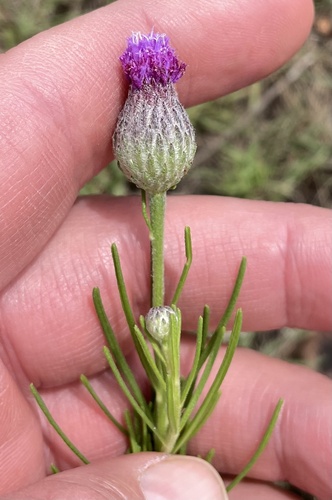
Crepis bursifolia
L.
Italian Hawksbeard
iNaturalist· cc-by-nc
(c) Franck Le Driant, some rights reserved (CC BY-NC), uploaded by Franck Le Driant
iNaturalist· cc-by
(c) zebedeugalinha, some rights reserved (CC BY)
Summary
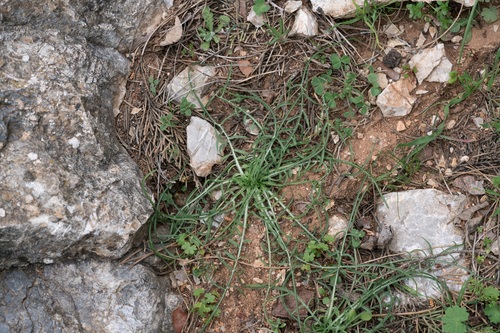
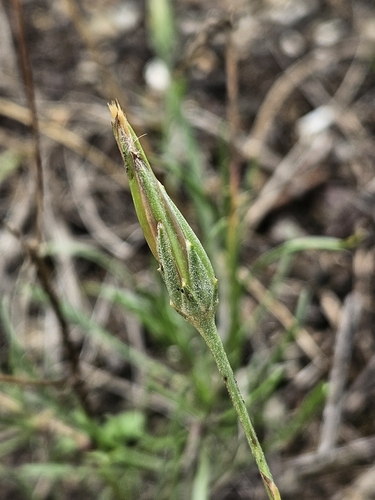
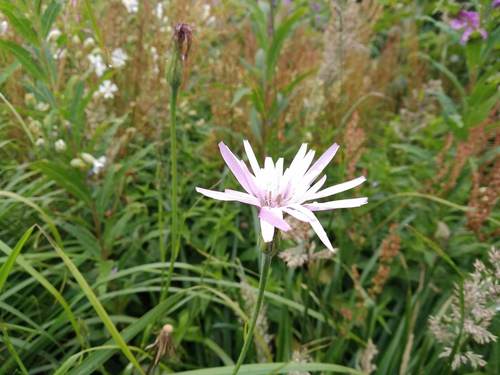
Source: WikipediaCrepis bursifolia, commonly known as Italian hawksbeard, is a species of flowering plant in the family Asteraceae. It is native to southern Europe (Spain, France, Italy, Malta, Greece), as well as being sparingly naturalized in California (primarily in the hills east of San Francisco Bay, but with a few collections from open spots in urban areas inside the Cities of Oakland and San Francisco). Crepis bursifolia is a perennial herb up to 35 cm (14 inches) tall. One plant can produce as many as 10 flower heads, each with up to 60 yellow ray florets but no disc florets.
Description
A perennial with hermaphrodite flowers. Tolerates light sandy, medium loamy, and heavy clay soils across mildly acid to basic pH ranges. Grows in semi-shade or full sun and prefers moist soil conditions.
Edible Uses
The leaves can be eaten raw in salads, where they contribute a mild and agreeable flavour.
Traditional Uses
The leaves are eaten boiled and seasoned with oil and lemon.
This uses section is brief — help expand it
Medicinal Uses
None known
Distribution
It is a Mediterranean climate plant.
Where It Grows
Europe, Italy, Mediterranean, Sicily,
Cultivation
We have very little information on this species and do not know if it will be hardy in Britain, though judging by its native range it could succeed outdoors in many parts of this country. It is likely to need a sunny position and a well-drained soil.
Propagation
No specific information is available for this species, but sowing the seed in situ is suggested — either as soon as it is ripe in late summer, or in spring.
Other Uses
None known Special Uses
Also Known As
Cecureddazza, Rizzaredda
References (6)
- Biscotti, N. et al, 2018, The traditional food use of wild vegetables in Apulia (Italy) in the light of Italian ethnobotanical literature. Italian Botanist 5:1-24
- Geraci, A., et al, 2018, The wild taxa utilized as vegetables in Sicily (Italy): a traditional component of the Mediterranean diet. Journal of Ethnobiology and Ethnomedicine (2018) 14:14
- Lentini, F. and Venza, F., 2007, Wild food plants of popular use in Sicily. J Ethnobiol Ethnomedicine. 3: 15
- Pasta, S., et al, 2020, An Updated Checklist of the Sicilian Native Edible Plants: Preserving the Traditional Ecological Knowledge of Century-Old Agro-Pastoral Landscapes. Frontiers in Plant Science. Volume 11|Article 388
- Plants for a Future database, The Field, Penpol, Lostwithiel, Cornwall, PL22 0NG, UK. http://www.scs.leeds.ac.uk/pfaf/
Show all 6 references Hide references
- Rivera, D. et al, 2006, Gathered Mediterranean Food Plants - Ethnobotanical Investigations and Historical Development, in Heinrich M, Müller WE, Galli C (eds): Local Mediterranean Food Plants and Nutraceuticals. Forum Nutr. Basel, Karger, 2006, vol 59, pp 18–74