Rosa foetida
Herrm.
iNaturalist· cc-by-nc
(c) Arya Aras, some rights reserved (CC BY-NC)
iNaturalist· cc-by-nc
(c) Arya Aras, some rights reserved (CC BY-NC)
iNaturalist· cc-by-nc
(c) Arya Aras, some rights reserved (CC BY-NC)
Summary
Source: WikipediaRosa foetida, known by several common names, including Austrian briar, Persian yellow rose, and Austrian copper rose, is a species of rose, native to the foothills of the Caucasus Mountains in Georgia. It has yellow flowers with a scent which some find objectionable. Since there were no yellow roses native to Europe, its introduction from Persia was an important addition to the cultivation of roses, and R. foetida is now an important contributor to the stock of cultivated roses.
Description
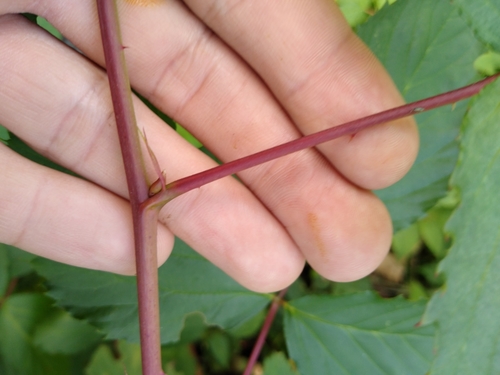
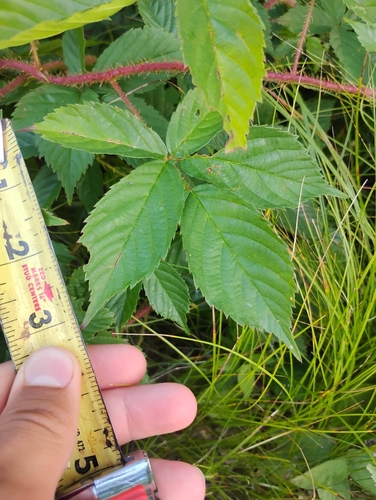
A shrub. It grows 3 m tall. The young branches are brown. There are prickles irregularly along the stem. There are 7-9 leaflets 2 cm long. The flowers occur singly or in groups of 2-3. They are yellow. The fruit is round and red.
Edible Uses
The flower petals are eaten raw.
Traditional Uses
The flower petals are eaten raw.
This uses section is brief — help expand it
Distribution
It is a temperate plant.
Where It Grows
Central Asia, Tajikistan, Turkey, Türkiye,
Synonyms
References (1)
- Yesil, Y., et al, 2019, Wild edible plants in Yeşilli (Mardin-Turkey), a multicultural area. Journal of Ethnobiology and Ethnomedicine (2019) 15:52