Clematis cirrhosa
L.
Evergreen traveller's joy
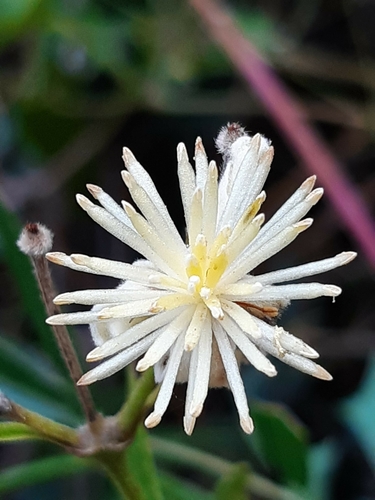
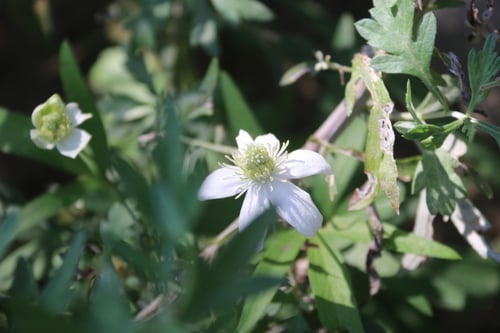
iNaturalist· cc-by-nc-nd
(c) Bob Franklin, some rights reserved (CC BY-NC-ND)
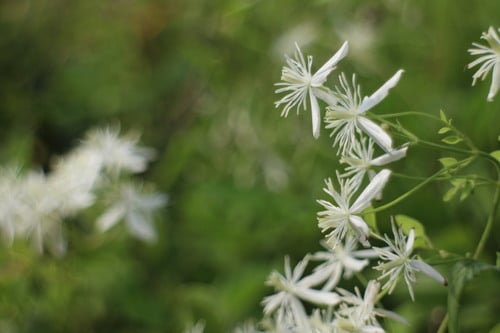
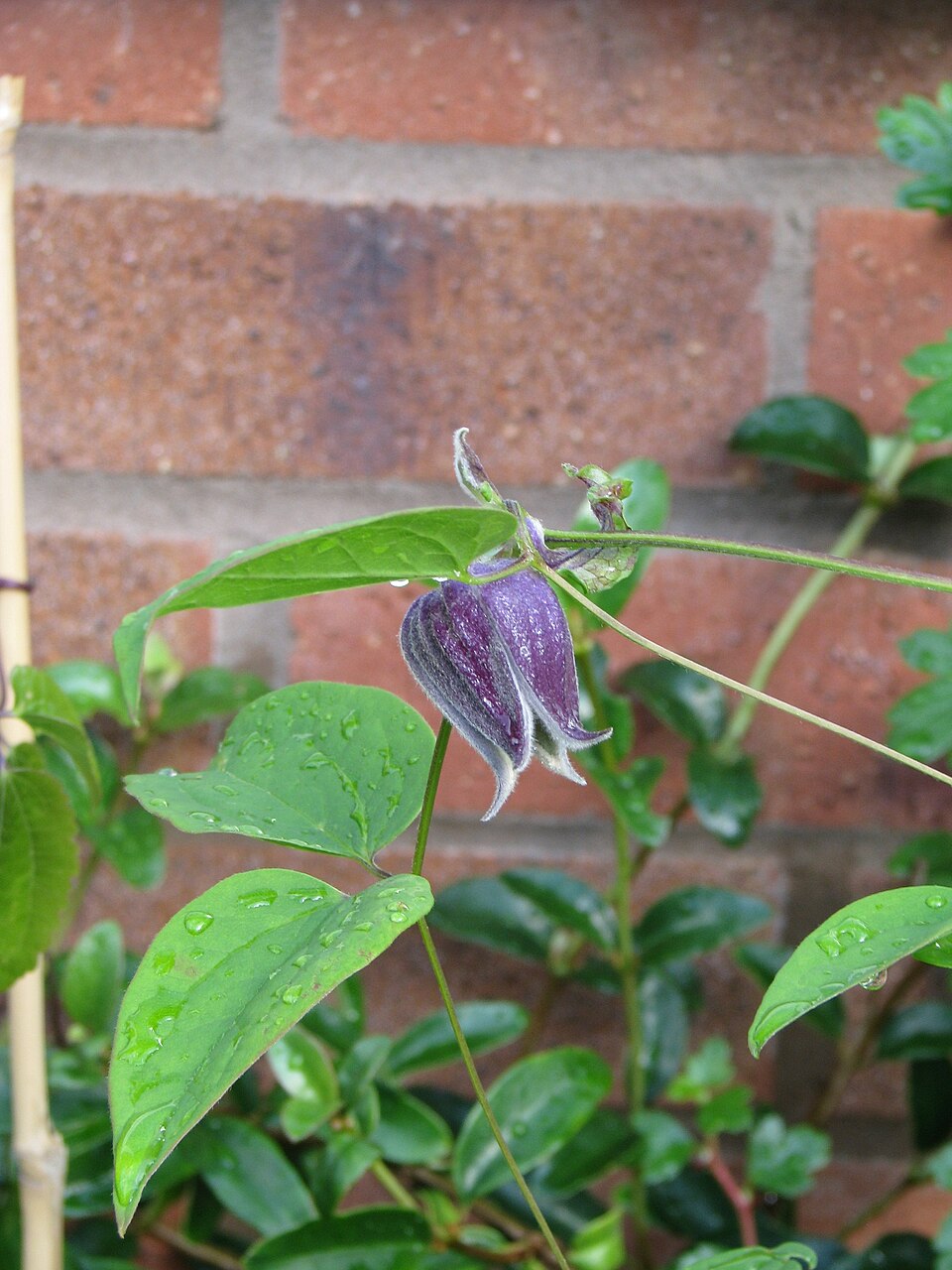
iNaturalist· cc-by-nc
(c) jmneiva, some rights reserved (CC BY-NC)
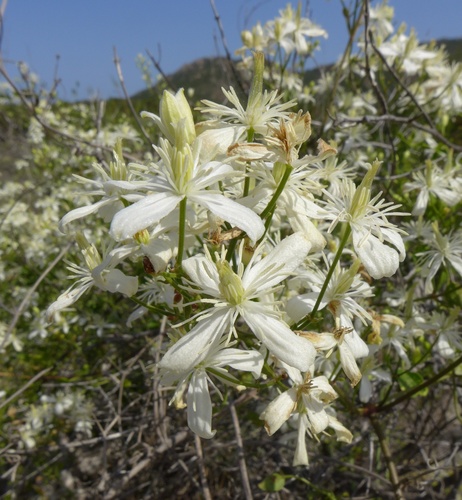
iNaturalist· cc-by-nc
(c) jmneiva, some rights reserved (CC BY-NC)
Summary
Source: WikipediaClematis cirrhosa is a species of flowering plant in the family Ranunculaceae, native to the Mediterranean. It includes the 'Freckles', 'Wisley Cream' and 'Jingle Bells' cultivars, with 'Freckles' and 'Wisley Cream' having gained the Royal Horticultural Society's Award of Garden Merit. It is also one of 8 subdivisions in the Thorncroft Clematis catalogue, published in 2000.
Description
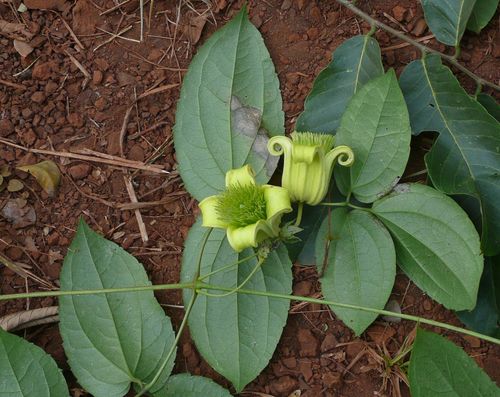
A climber. It has tendrils. The leaves have 3 lobes. The flowers are bell shaped and creamy white with red speckles.
This description is brief — help expand it
Edible Uses
The leaves are cooked and eaten.
Traditional Uses
Caution: They may need special treatment. CAUTION: Most Clematis contain an irritant poison. The leaves are cooked and eaten.
This uses section is brief — help expand it
Known Hazards
Most Clematis species contain an irritant poison, and the leaves may require special treatment before consumption.
Distribution
It is a Mediterranean plant.
Where It Grows
Africa, Algeria, Cyprus, Europe, France, Greece, Israel, Italy, Lebanon, Mediterranean, Middle East, North Africa, Sicily, Spain, Tunisia, Turkey, Türkiye,
Synonyms
References (2)
- Licata, M., et al, 2016, A survey of wild plant species for food use in Sicily (Italy) – results of a 3-year study in four Regional Parks. Journal of Ethnobiology and Ethnomedicine 12:12
- Pasta, S., et al, 2020, An Updated Checklist of the Sicilian Native Edible Plants: Preserving the Traditional Ecological Knowledge of Century-Old Agro-Pastoral Landscapes. Frontiers in Plant Science. Volume 11|Article 388