Asplenium septentrionale
(L.) Hoffm.
Forked spleenwort
iNaturalist· cc-by-nc
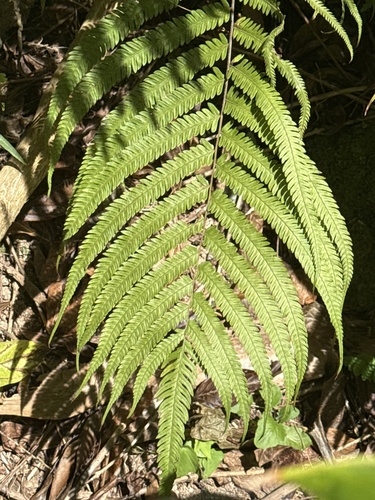
(c) Walter Fertig, some rights reserved (CC BY-NC), uploaded by Walter Fertig
iNaturalist· cc-by-nc
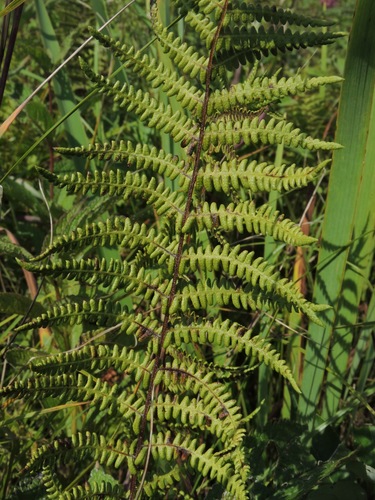
(c) Andrea Pane, some rights reserved (CC BY-NC), uploaded by Andrea Pane
iNaturalist· cc-by
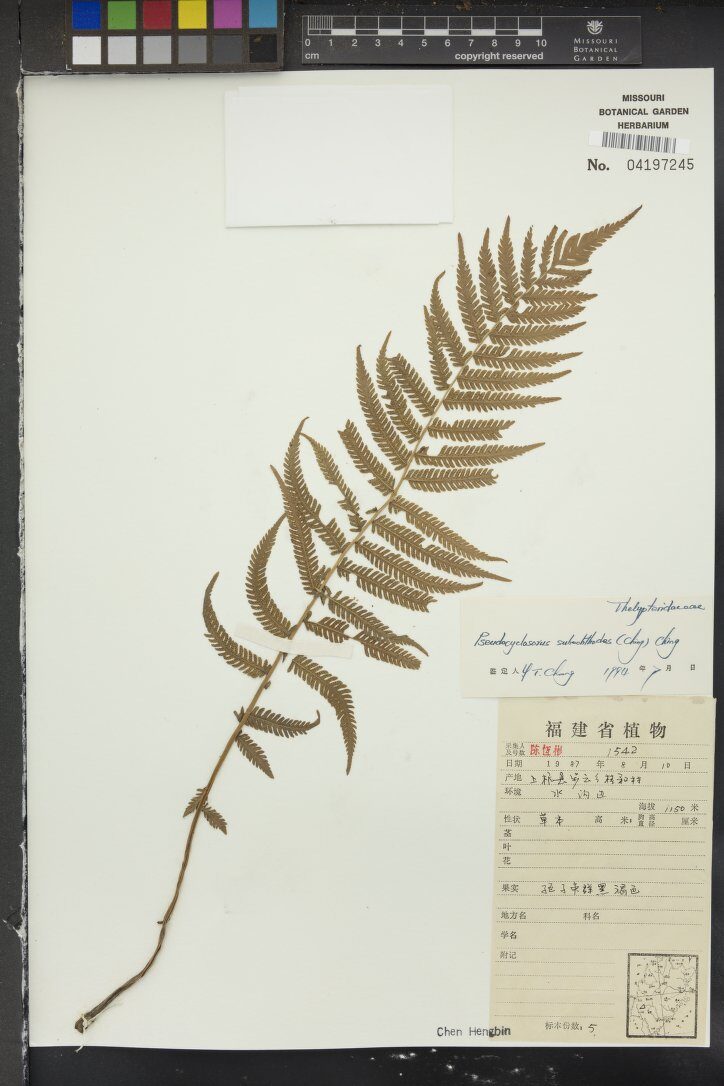
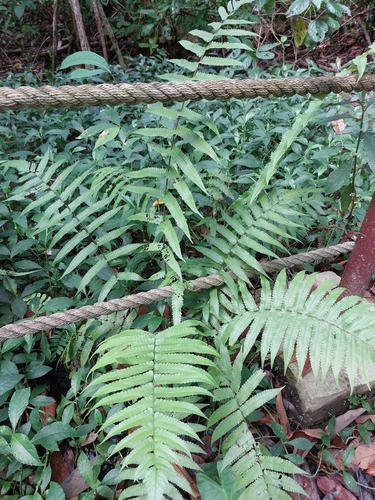
(c) ashley BALSAM baz, some rights reserved (CC BY)
Summary
Source: WikipediaAsplenium septentrionale is a species of fern known by the common names northern spleenwort and forked spleenwort. It is native to Europe, Asia and western North America, where it grows on rocks. Its long, slender leaves give it a distinctive appearance. Three subspecies exist, corresponding to a tetraploid and a diploid cytotype and their triploid hybrid.
Description
A fern. It grows 8-15 cm tall. It has a short creeping rhizome or underground stem. It has dark brown narrowly triangle shaped scales. The leaves are crowded in tufts. They are slender and 5-15 cm long.
Edible Uses
The fronds are used to make a drink called Ratafia in Spain.
Traditional Uses
The fronds are used to make a drink (Ratafia) in Spain.
This uses section is brief — help expand it
Distribution
It is a temperate plant.
Where It Grows
Albania, Asia, Central Asia, China, Europe, North America, Spain, Tajikistan, Turkey, Türkiye, USA,
Synonyms
Also Known As
Devesakali
References (1)
- Bonet, M. A. & Valles, J., 2002, Use of non-crop food vascular plants in Montseny biosphere reserve (Catalonia, Iberian Peninsula). International Journal of Food Sciences and Nutrition (2002) 53, 225–248