Asplenium adiantum-nigrum
L.
Black spleenwort
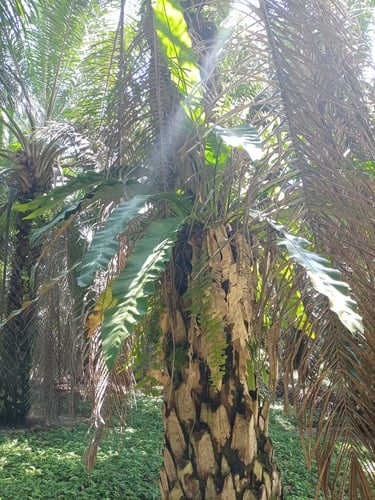
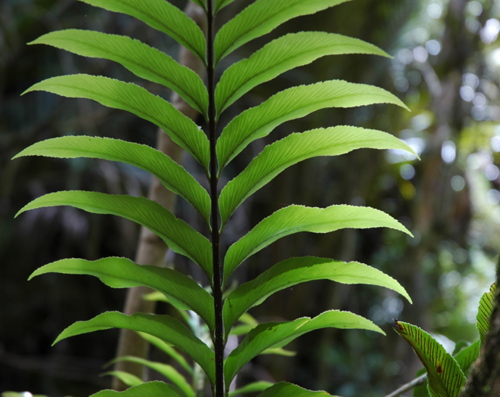
iNaturalist· cc-by-nc
(c) eanmb, some rights reserved (CC BY-NC)
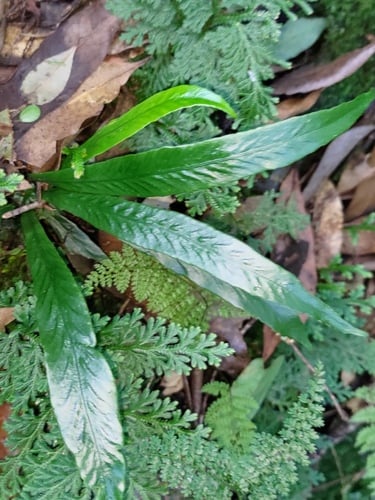
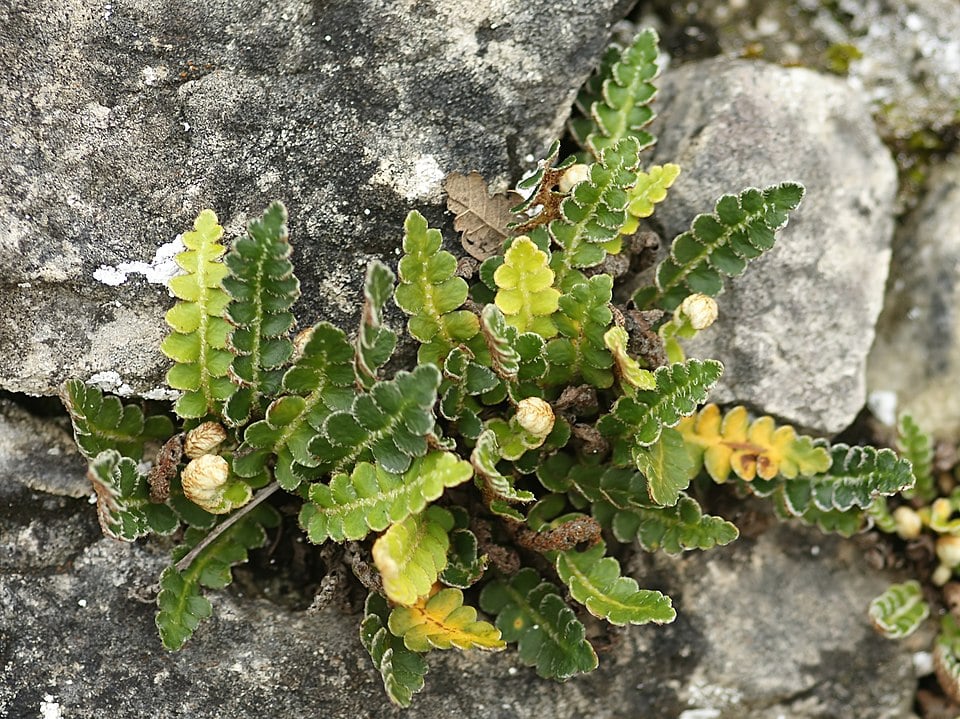
iNaturalist· cc-by-nc
(c) James Bailey, some rights reserved (CC BY-NC), uploaded by James Bailey
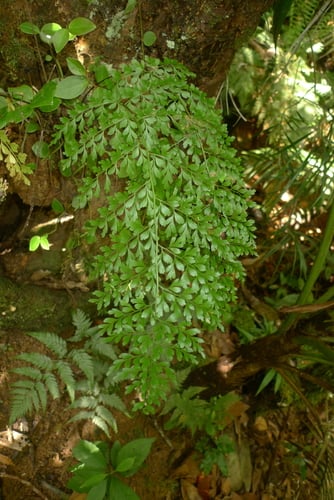
iNaturalist· cc-by
(c) Guillaume Delaitre, some rights reserved (CC BY), uploaded by Guillaume Delaitre
Summary
Source: WikipediaAsplenium adiantum-nigrum is a common species of fern known by the common name black spleenwort. It is found mostly in Africa, Europe, and Eurasia, but is also native to a few locales in Mexico and the United States.
Description
A fern. The leaves are triangle shaped and thick. They are divided into several segments. The stalk is shiny and slightly hairy. The spores under the leaves are in chains.
Edible Uses
None known
Traditional Uses
The leaves are used as a spice in sauce.
This uses section is brief — help expand it
Medicinal Uses
Bitter Contraceptive Diuretic Emmenagogue Expectorant Laxative Ophthalmic Pectoral The plant is bitter, diuretic, laxative and ophthalmic. It is taken internally to treat diseases of the spleen, jaundice and ophthalmia. It is said to produce sterility in women. A decoction or syrup made from the fronds is emmenagogue, expectorant and pectoral. It is used to relieve troublesome coughs.
Known Hazards
Although we have found no reports of toxicity for this species, a number of ferns contain carcinogens so some caution is advisable. Many ferns also contain thiaminase, an enzyme that robs the body of its vitamin B complex. In small quantities this enzyme will do no harm to people eating an adequate diet that is rich in vitamin B, though large quantities can cause severe health problems. The enzyme is destroyed by heat or thorough drying, so cooking the plant will remove the thiaminase.
Distribution
It is a tropical plant.
Where It Grows
Africa, Albania, Algeria, Andes, Asia, Azerbaijan, Bolivia, Caucasus, Central Asia, Cyprus, Europe, Lesotho, Luxembourg, Mediterranean, Morocco, SE Asia, Slovenia, South Africa, Southern Africa, South America, Tajikistan, Tunisia,
Cultivation
Requires a partly shaded site with preferably less than 3 hours sunshine daily. Plants can be grown in old brick walls. Members of this genus are rarely if ever troubled by browsing deer.
Propagation
Spores - best sown as soon as they are ripe on the surface of a humus-rich sterilized soil. Keep the compost moist, preferably by putting a plastic bag over the pot. Germinates in spring. Spring sown spores germinate in 1 - 3 months at 15°c. Pot on small clumps of plantlets as soon as they are large enough to handle and grow them on in light shade in a cold frame or greenhouse. Keep them humid until they are well established. When they are at least 15cm tall, plant them out into their permanent positions in late spring or early summer.
Other Uses
Hair A decoction of the herb is a good hair wash. Special Uses
Notes
It contains antioxidants.
Synonyms
Also Known As
črni sršaj
References (2)
- Brevard country edible acres.
- Hammami, S. et al, 2016, Essential Oil Constituents and Antioxidant Activity of Asplenium Ferns. Journal of Chromatographic Science Bol. 54, No. 8, 1341-1345