Philadelphus coronarius
L.
iNaturalist· cc-by-nc-sa
(c) Gertrud K., some rights reserved (CC BY-NC-SA)
iNaturalist· cc-by-nc
(c) martdv, some rights reserved (CC BY-NC)
iNaturalist· cc-by
(c) candiru, some rights reserved (CC BY)
Summary
Source: WikipediaPhiladelphus coronarius (sweet mock orange, English dogwood) is a species of flowering plant in the family Hydrangeaceae, native to the Caucasus and northeastern Turkey.
Description
Deciduous shrub growing 4m tall and 4m wide at fast rate. Hardy to UK zone 5. Flowers in June. Hermaphrodite flowers pollinated by bees. Tolerates light sandy, medium loamy, and heavy clay soils including nutritionally poor sites. Grows in mildly acidic to very alkaline soils. Adapts to semi-shade or full sun. Prefers moist soil.
Edible Uses
No edible uses are known for this plant.
Traditional Uses
The leaves are dried and used for a tea. The flowers are dried and used for tea.
This uses section is brief — help expand it
Medicinal Uses
No medicinal uses are known for this plant.
Distribution
It is a temperate plant.
Where It Grows
Andorra, Belarus, Europe, Latvia, Spain,
Cultivation
A very easily grown plant, succeeding in any moderately fertile soil, and also in thin soils over chalk. Grows well in heavy clay soils. Tolerates poor soils. Succeeds in semi-shade but prefers a position in full sun where it will flower more freely. Plants are hardy to about -25°c. The flowers are very aromatic with a strong orange aroma. Plants are very tolerant of pruning, one third of the stems can be cut down to the ground each year in order to promote fresh growth and heavier flowering. Fast growing. Plants are inclined to send up suckers and can form thickets. Some named forms have been developed for their ornamental value. Plants can harbour blackfly.
Propagation
Seed germinates best with one month of cold stratification. Sow in February in a light position in a cold frame. Prick seedlings out into individual pots when large enough to handle and grow on in a greenhouse for their first winter, then plant out in late spring or early summer after the last frosts. Half-ripe wood cuttings of 7–10cm side-shoots taken in July or August in a shaded frame root at a high percentage; plant out in spring. Cuttings of mature wood from the current year's growth, 15–25cm with a heel, taken in December and placed in a sheltered bed outdoors give a fair to good percentage. Layering in summer is very easy.
Other Uses
The leaves are rich in saponins and make an effective natural cleaner when crushed and mixed with water. You can wash your hands simply by picking a couple of leaves or a bunch of blossom, wetting your hands, and rubbing the plant material vigorously as you would a bar of soap. This lather is gentle and does not strip the body's natural oils, though it is not very effective against grease or oil. The leaves can also serve as a duster and wood polish. Plants are suitable for growing as a hedge.
Synonyms
Also Known As
Jasmini, Xeringuilla, Zasmin
References (3)
- Bonet, M. A. & Valles, J., 2002, Use of non-crop food vascular plants in Montseny biosphere reserve (Catalonia, Iberian Peninsula). International Journal of Food Sciences and Nutrition (2002) 53, 225–248
- Pruse, B., et al, 2021, Active Wild Food Practices among Culturally Diverse Groups in the 21st Century across Latgale, Latvia. Biology 2021, 10, 551.
- Soukand, R., et al, 2017, Multi-functionality of the few: current and past uses of wild plants for food and healing in Liubań region, Belarus. Journal of Ethnobiology and Ethnomedicine (2017) 13:10
More from Hydrangeaceae
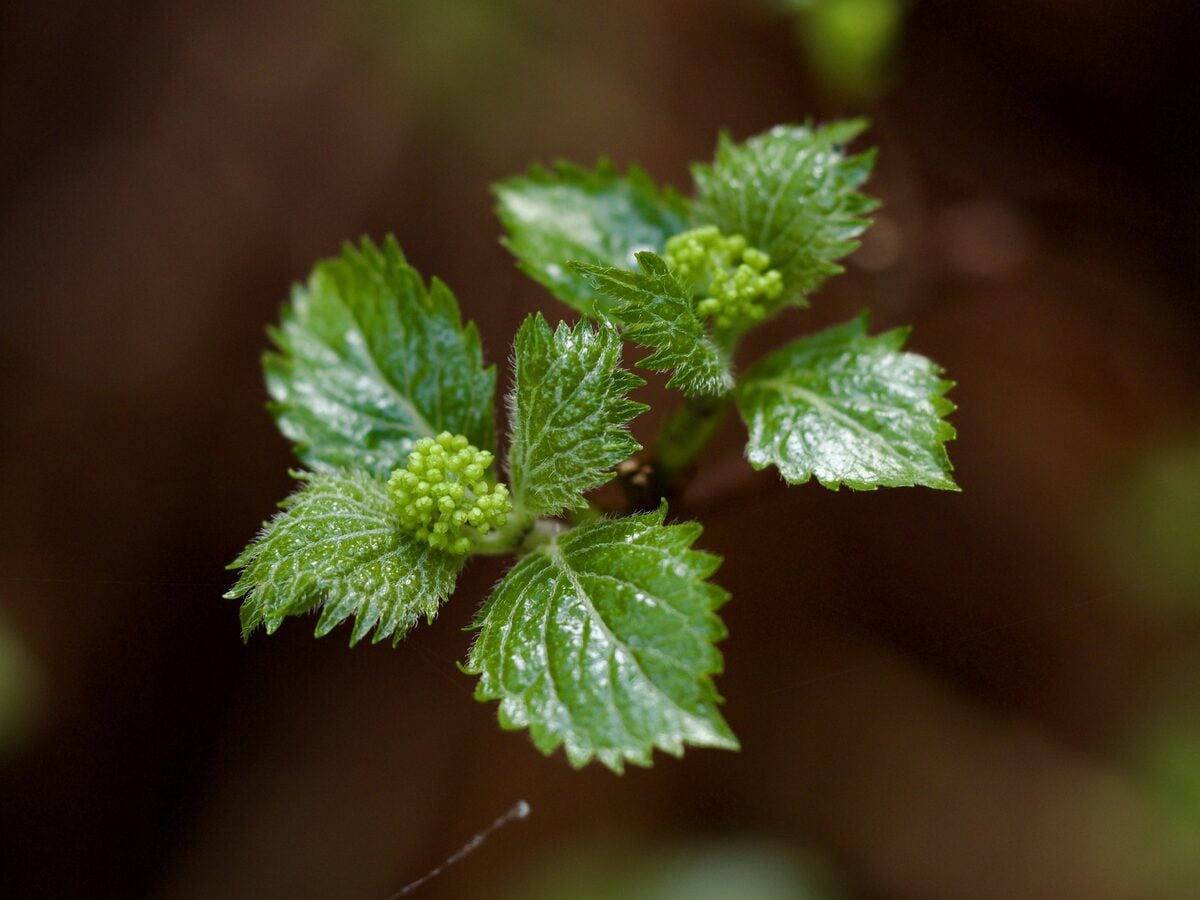
Hydrangea hirta - (Thunb.)Siebold.
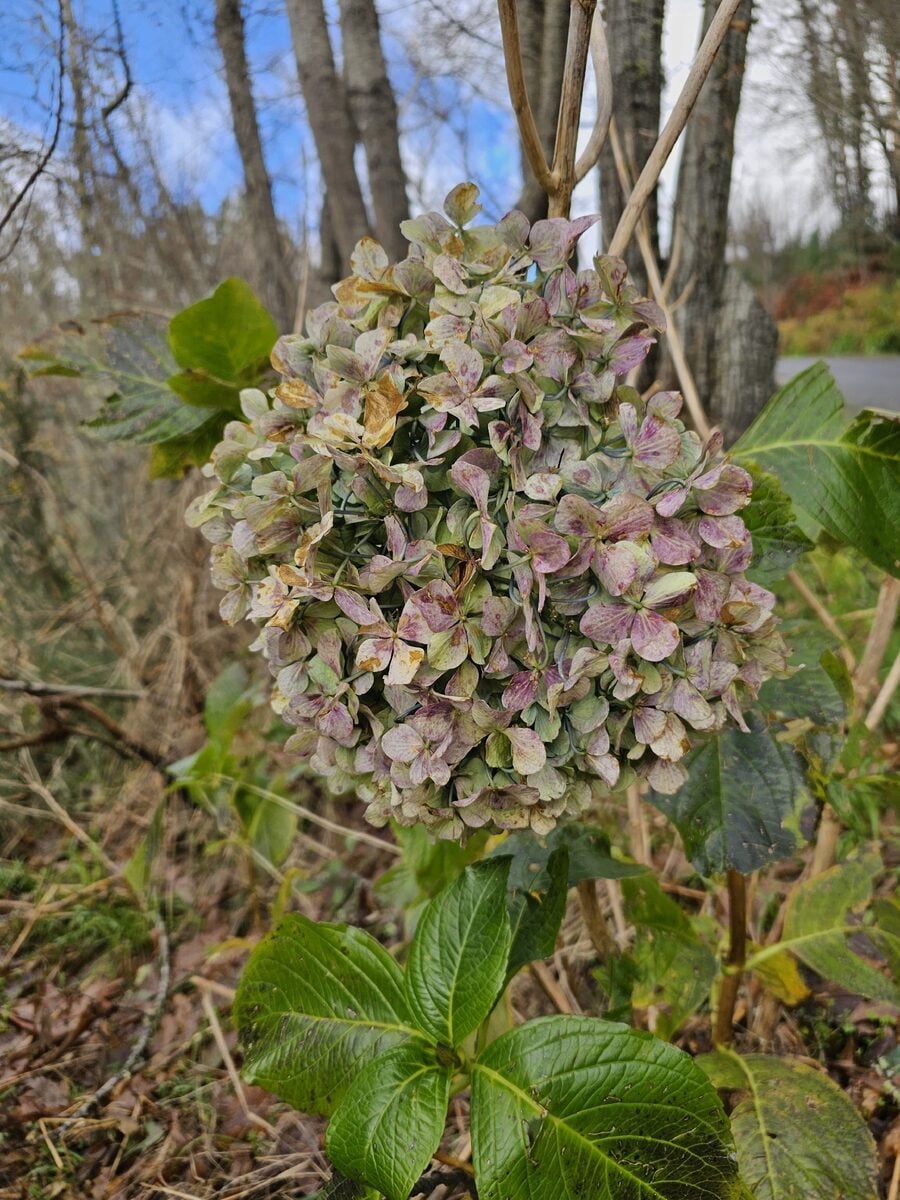
Hydrangea macrophylla - (Thunb.)Ser.
French hydrangea , Florist's Hydrangea, Bigleaf Hydrangea
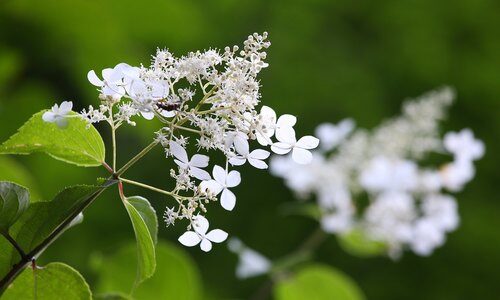
Hydrangea paniculata
Panicled hydrangea, Hybrid Hydrangea, PeeGee Hydrangea, Panicle Hydrangea
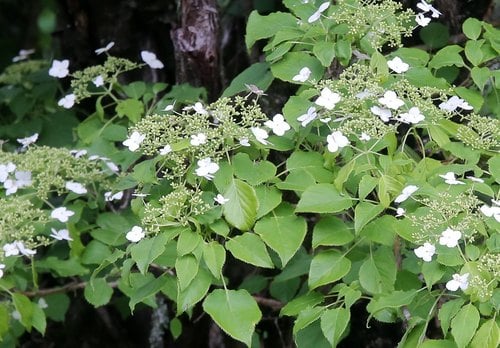
Hydrangea petiolaris
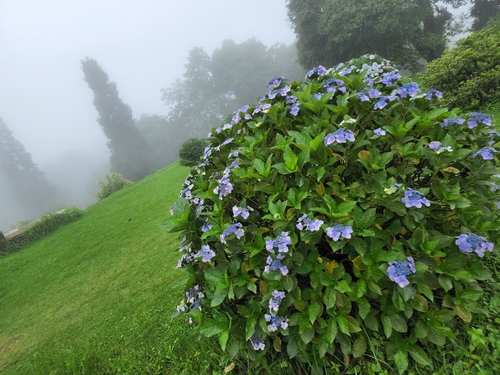
Hydrangea robusta
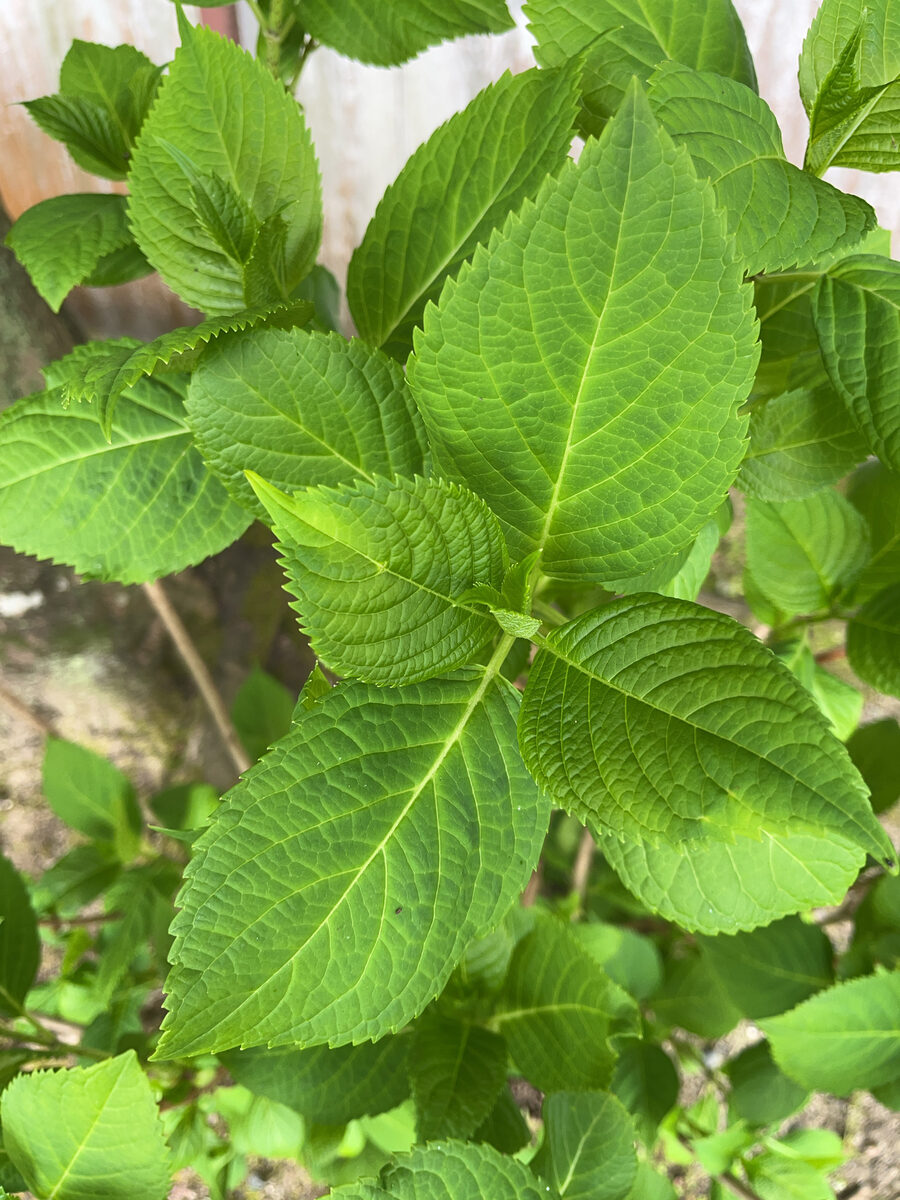
Hydrangea serrata - (Thunb.)Ser.
Hydrangea, Mountain Hydrangea, Sawtooth Hydrangea